
Atlas · Distinctions
Philosophy
Arguments that try to say what consciousness is, what it is like, and what would count as knowing.
Ancient World
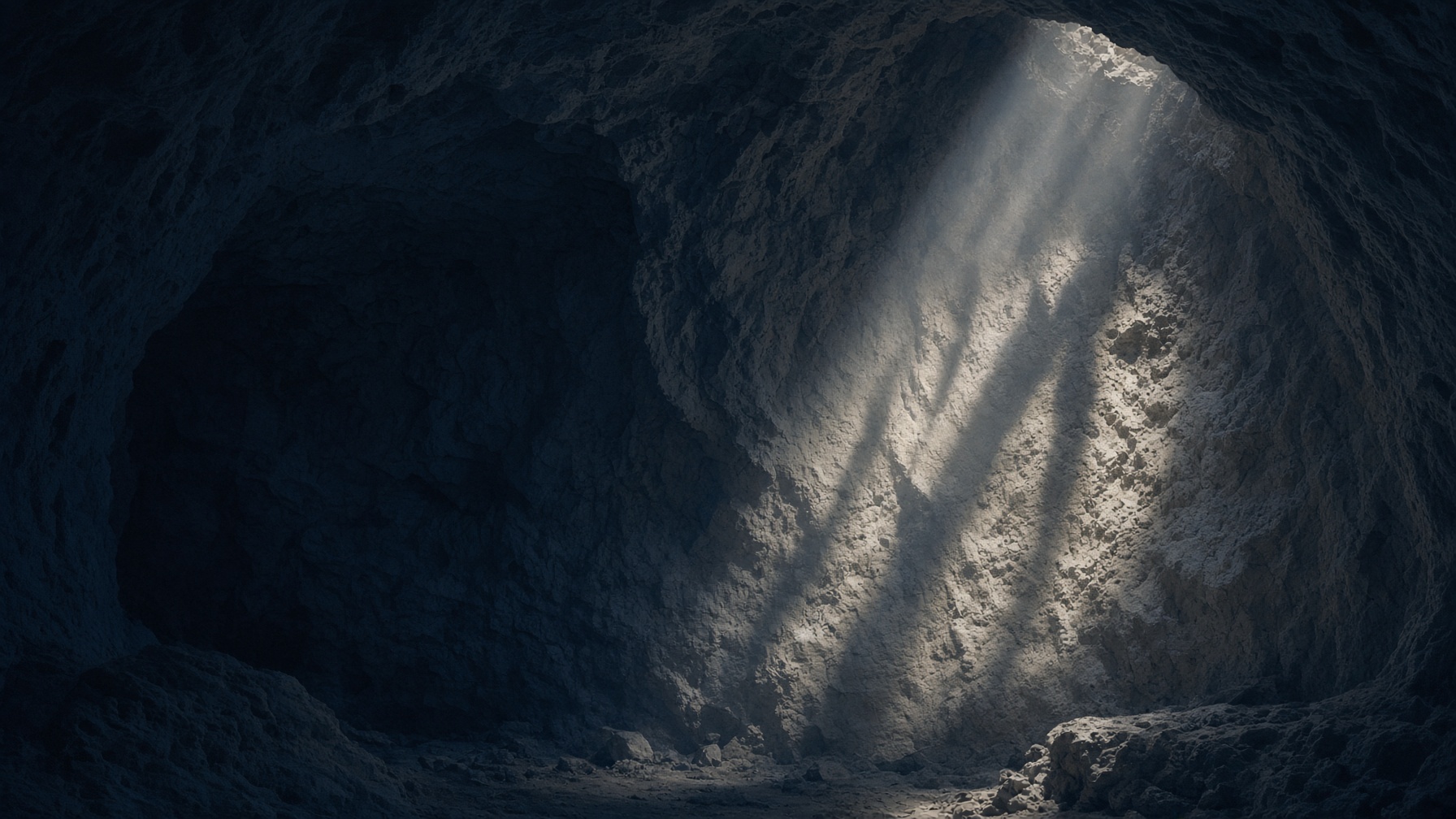
The Fire and the Wall
Men chained in a cave take shadows for the world.
Athens · c. 375 BCE

Ancient World
Once He Dreamed He Was a Butterfly
A sage wakes and cannot tell which side of the dream is home.
The state of Song, traditionally · c. 4th century BCE
Philosophy
A bishop walks the inner rooms of his own mind and cannot find their floor.
The Palaces of Memory
Hippo Regius · c. 397–400
Sacred Traditions
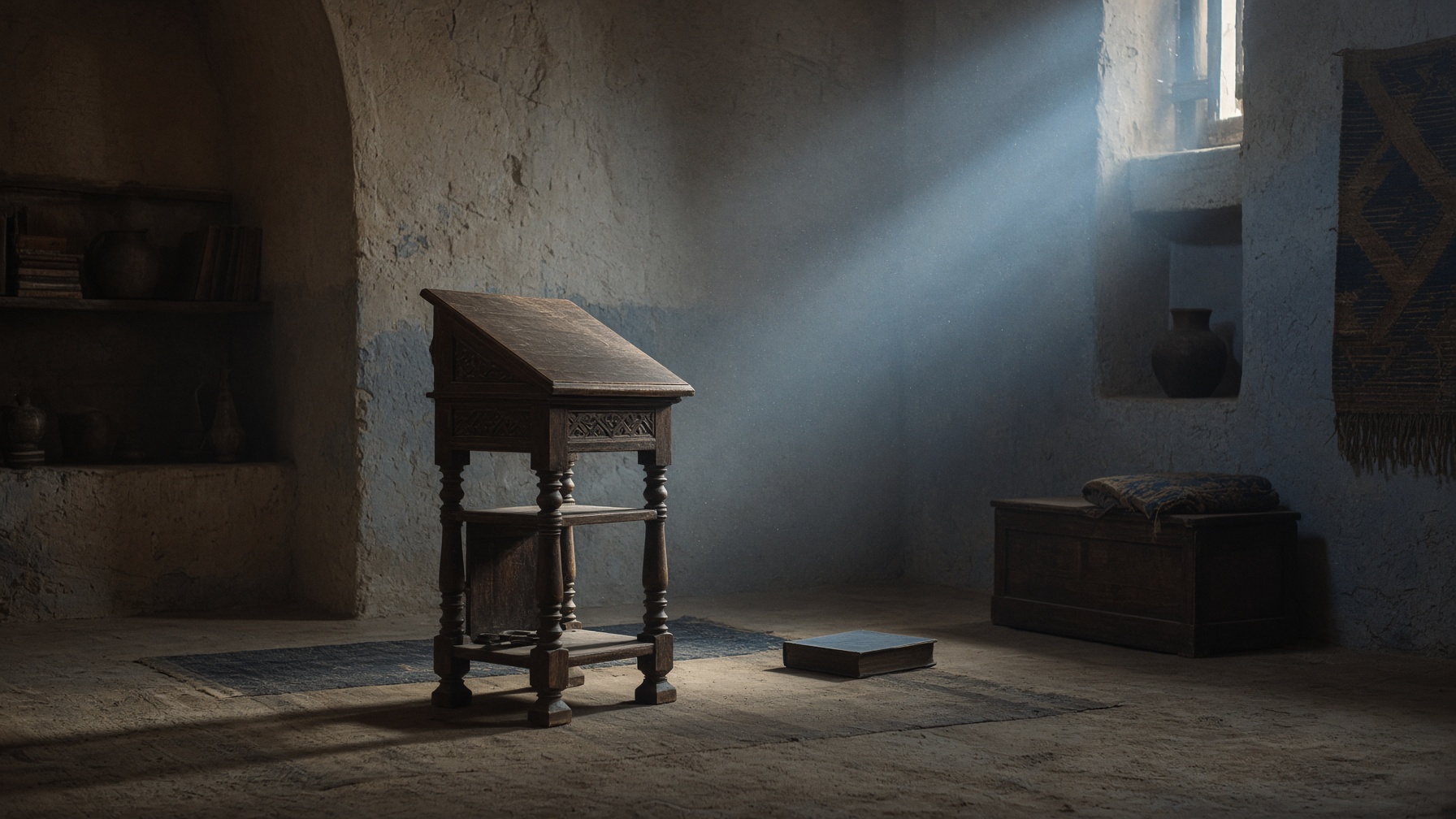
When Knowledge Would Not Sit Still
The most celebrated teacher in Baghdad can no longer trust that he knows, and walks away from the lectern.
Baghdad, then Damascus and Tus · 1095

Philosophy
The Stream of Thought
A psychologist refuses to cut the mind into pieces that would make a textbook tidy, and names the flow instead.
Cambridge, Massachusetts · 1890
Philosophy
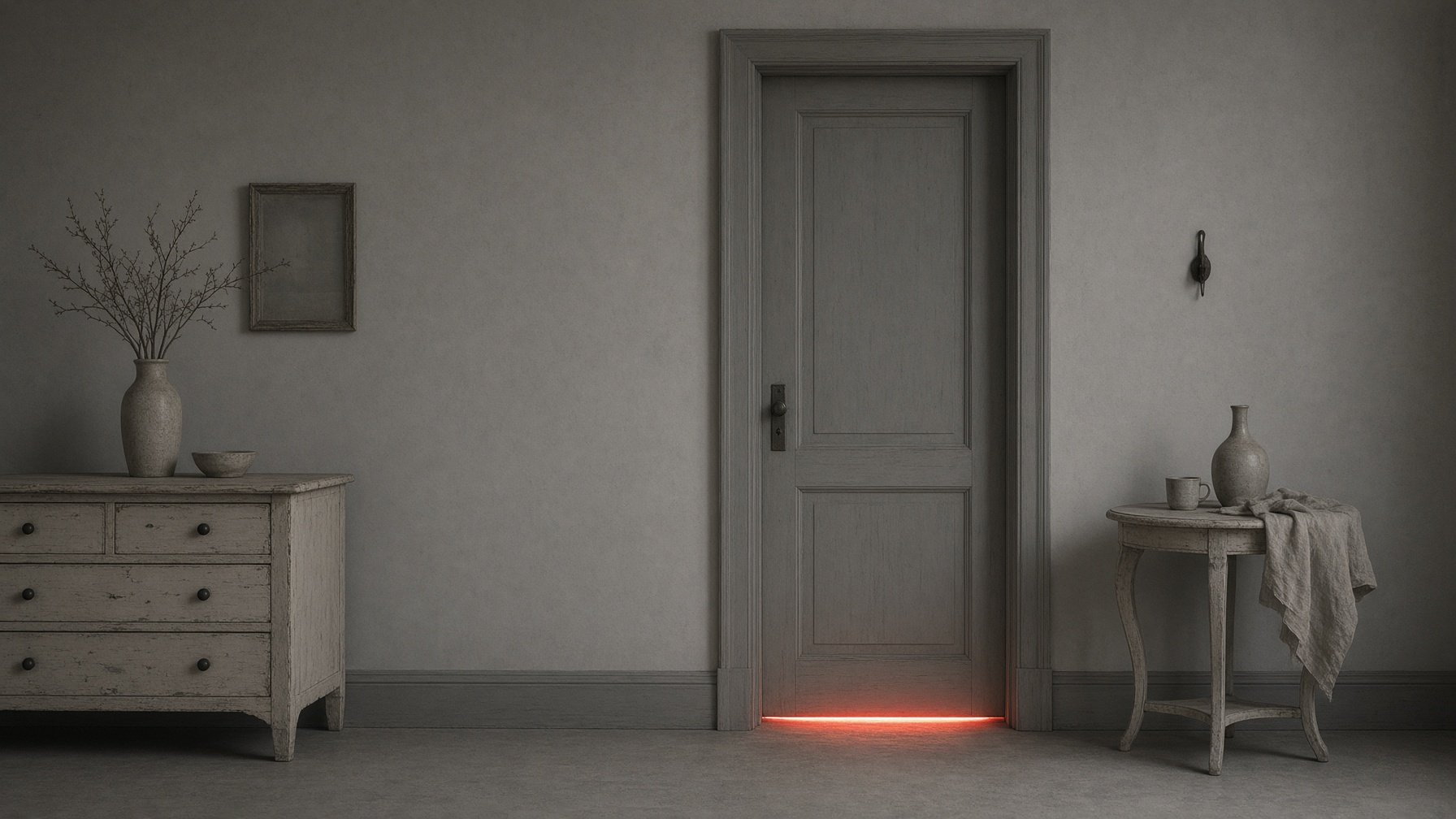
The Door with a Seam of Color
A scientist who knows everything about color has never seen it. Then the door opens.
A gray room that does not exist · 1982
Art & Literature
A magician dreams a man with such care that the dreamed one can stand, and then learns the cost of that care.
The Circular Ruins
A temple the story will not locate · 1940

AI & Machines
The Imitation Game
A mathematician, tired of the question “can machines think?”, replaces it with a game that can be played.
Manchester, on the page of Mind · 1950

AI & Machines
One Thread Among Many
A public figure bets that this is probably not base reality. The bet is not a proof. It is a contemporary form of an old unease.
A stage in California, then the feed · 2016, among other dates
Philosophy
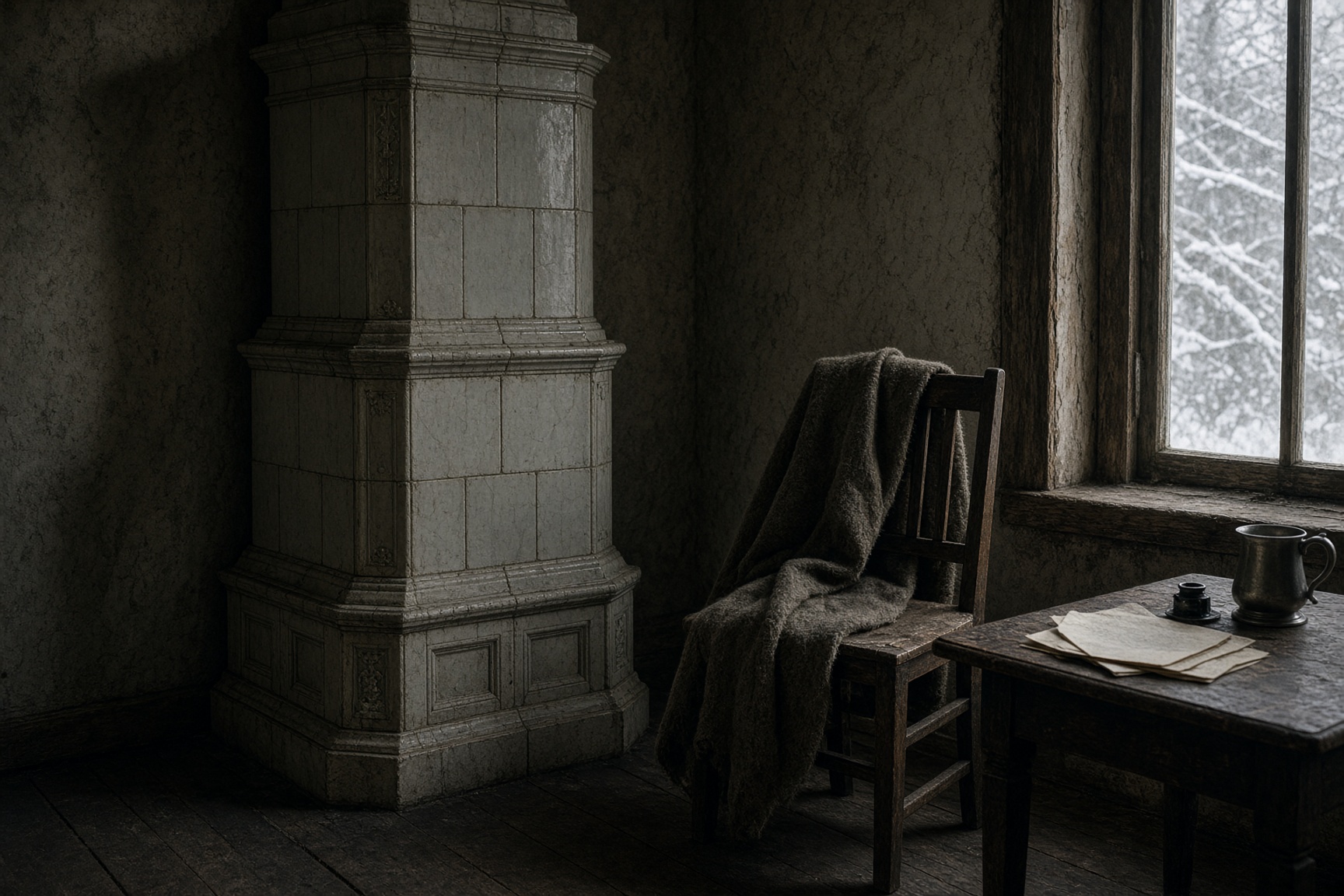
Beside the Stove
A man sits through a winter of doubt, and finds a remainder he cannot unsay: that thinking is going on.
A stove-heated room in Germany, later on the page from the Netherlands · 1619 / 1641
Philosophy
A physician-philosopher asks you to imagine a person created at once in mid-air, with no senses, and still knowing that they are.
The Floating Man
On the page, from Bukhara to Hamadan to Isfahan · c. 1027

Sacred Traditions
Mountains Walking
A thirteenth-century Soto Zen teacher says that mountains walk, and that to know this is not a metaphor you can keep at arm’s length.
Eihei-ji, Echizen · 1240
Animals
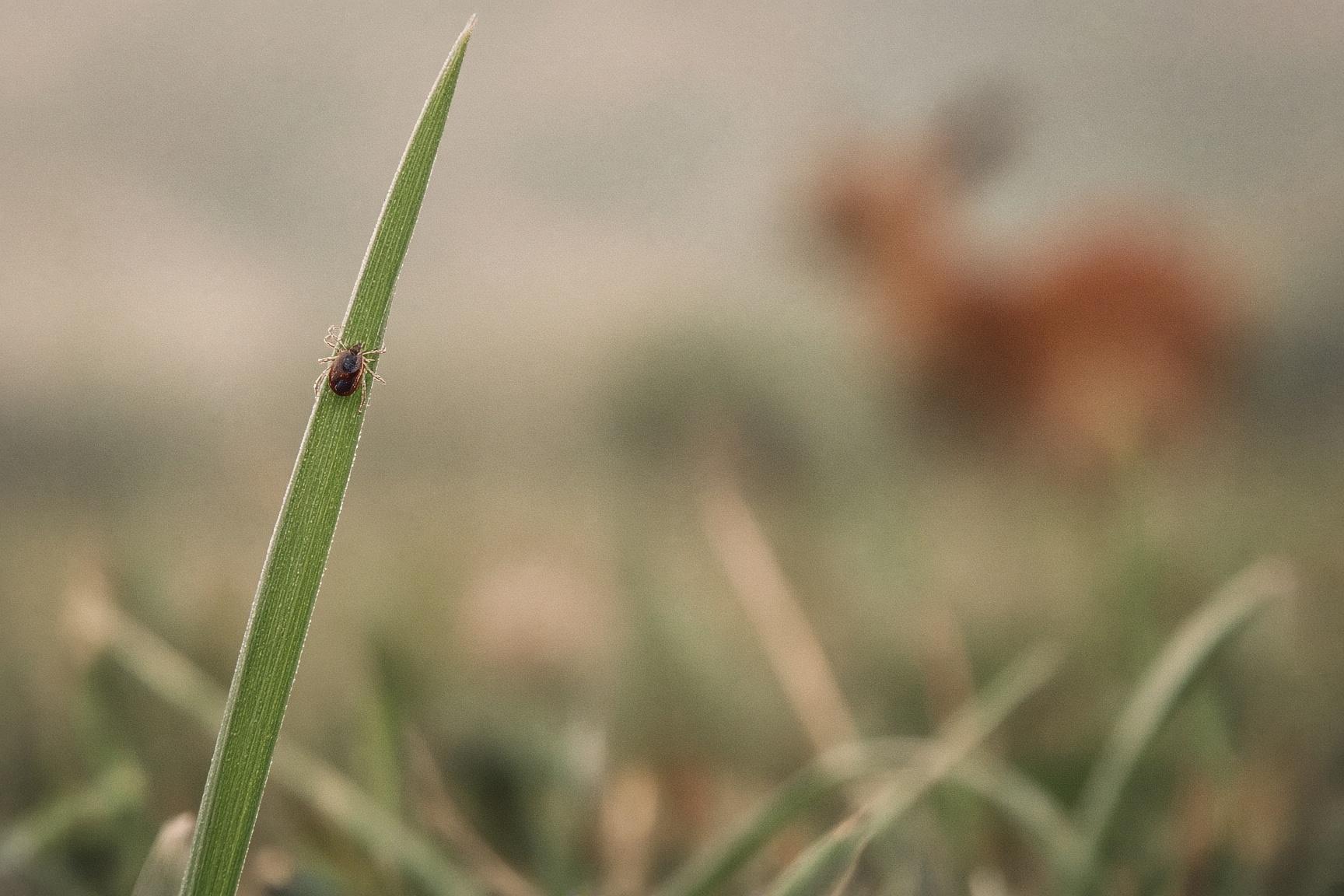
The Tick’s World
A Baltic-German biologist asks you to leave the human living-room and enter the few signs that make a tick’s entire universe.
On the page, from Hamburg and the Baltic · 1934
Philosophy
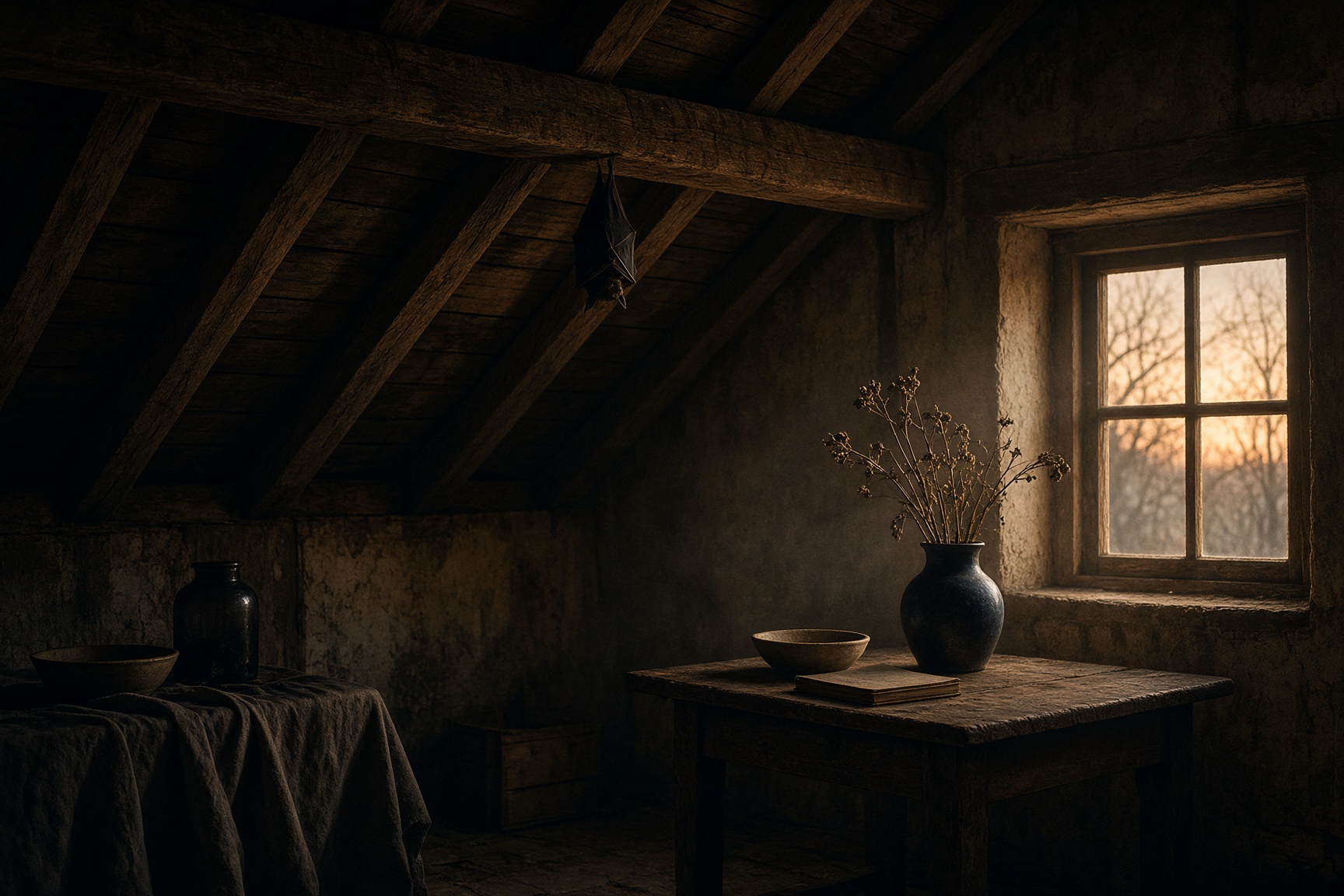
What It Is Like
A philosopher chooses a bat, not as a mascot, but as a limit: a mind we can study and still not occupy.
Princeton, on the page of *The Philosophical Review* · 1974
Philosophy
A Ghanaian philosopher refuses to let a European noun assemble an Akan person.
What English Calls Mind
Legon, and on the page · 1980s–1990s
Philosophy
Twenty Verses, Not a Simulation
A monk answers the charge that if there are only presentations, nothing could bump into anything else.
Gandhāra, as later tradition seats him · 4th–5th century CE
Philosophy
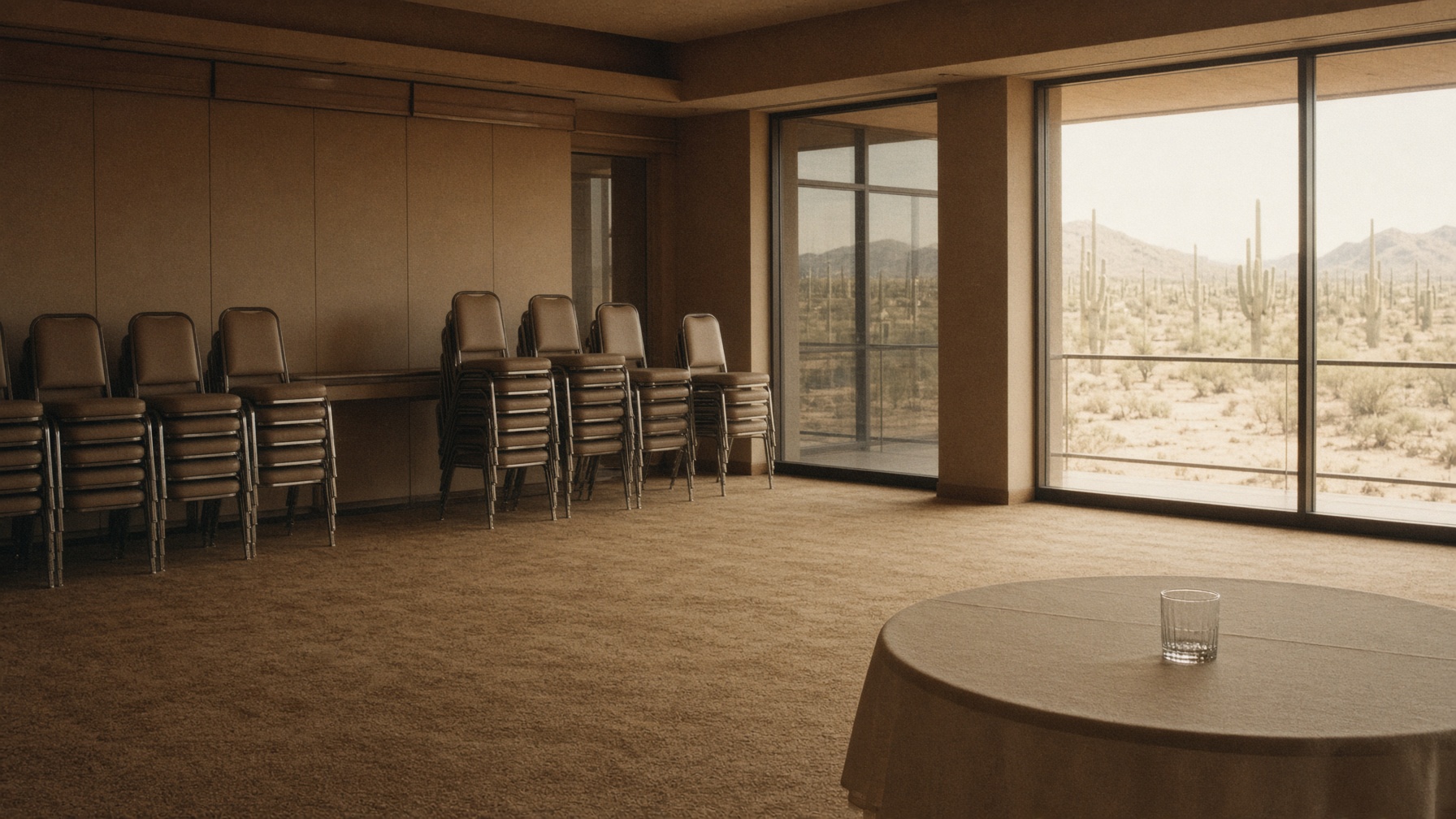
The Hard Part
In a Tucson hotel a philosopher tells a room of scientists that the functions are the easy work. Experience is what remains.
Tucson, Arizona · 1994 / 1995
Philosophy
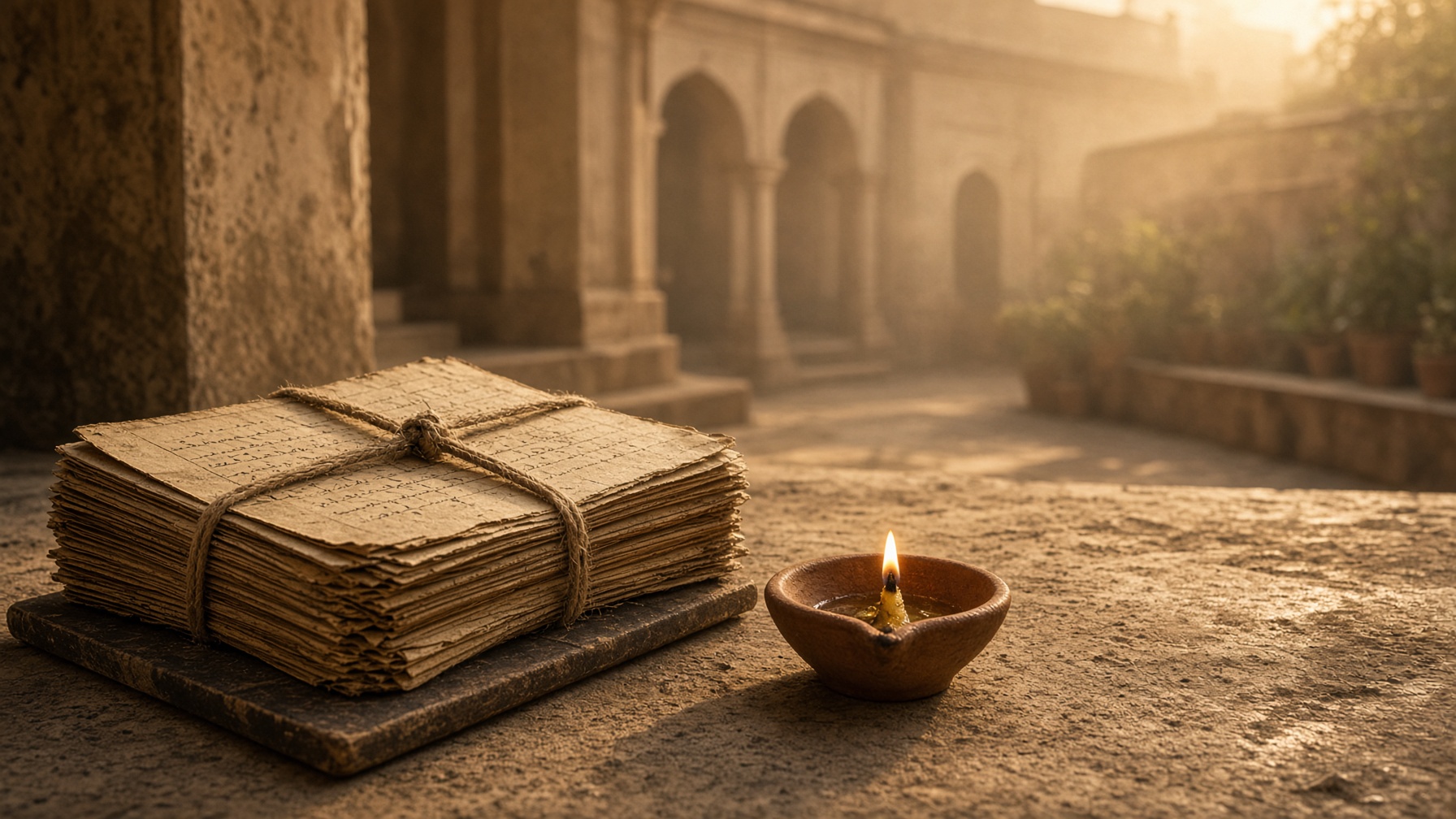
Smoke, Fire, and the Unseen Mind
A school of Indian logic treats other minds the way it treats fire on a hill: not by looking inside, but by inferring from a sign.
North India, on the page of the sūtras and their commentaries · c. 2nd–5th century CE
Philosophy
A Ming official, after a night of failure at bamboo, turns the search for principle inward. Knowing, he later says, is already a kind of doing.
The Street Is Full of Sages
Jiangxi, and later on the page from remaining works · 1508 / later teachings
Philosophy
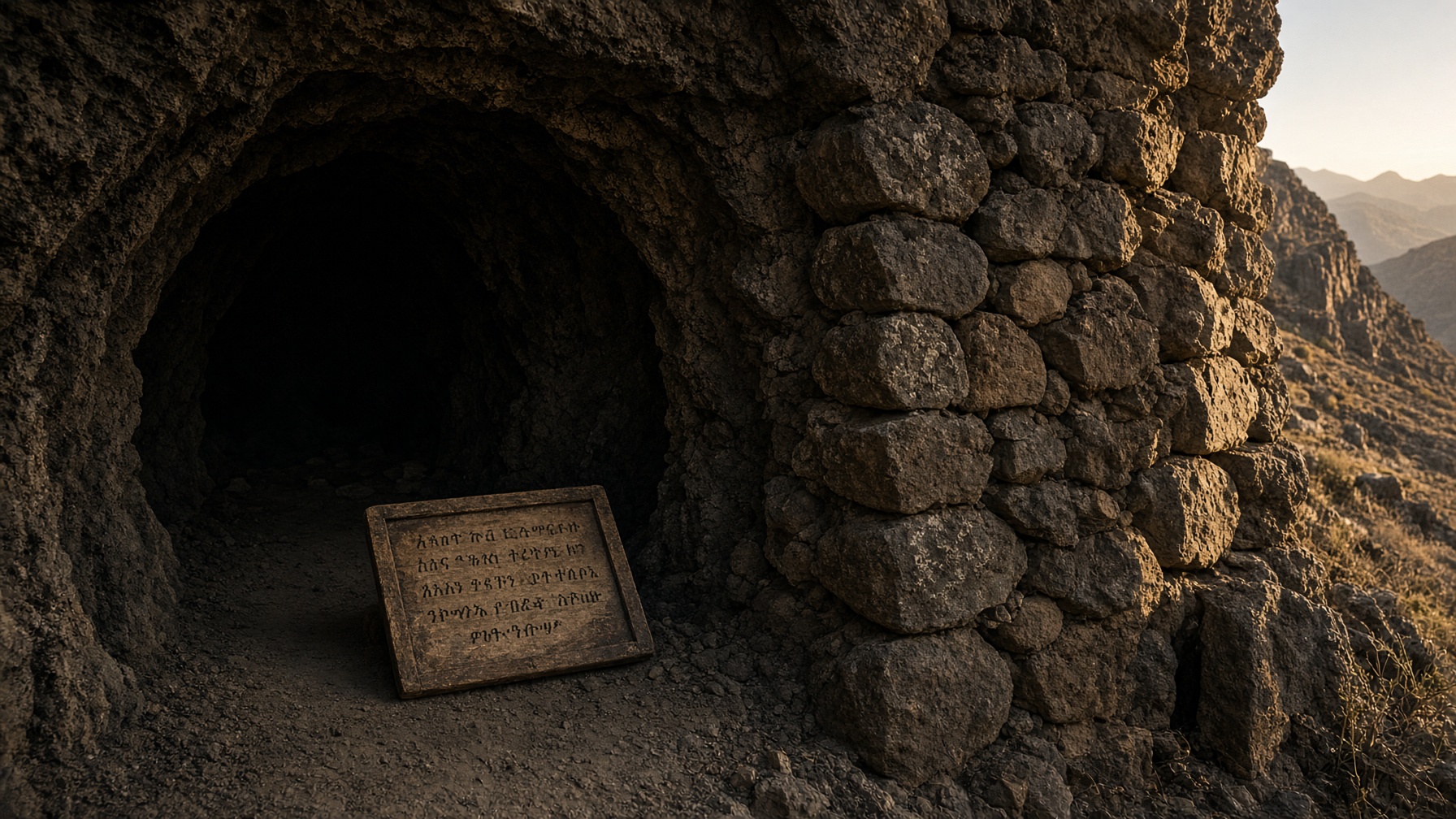
An Inquiry in Ge'ez
A treatise from the Ethiopian highlands puts reason to inherited faith. Whether its author is the man it names is itself an open scholarly fight.
A cave of exile, in the text’s own telling · 1667
Philosophy
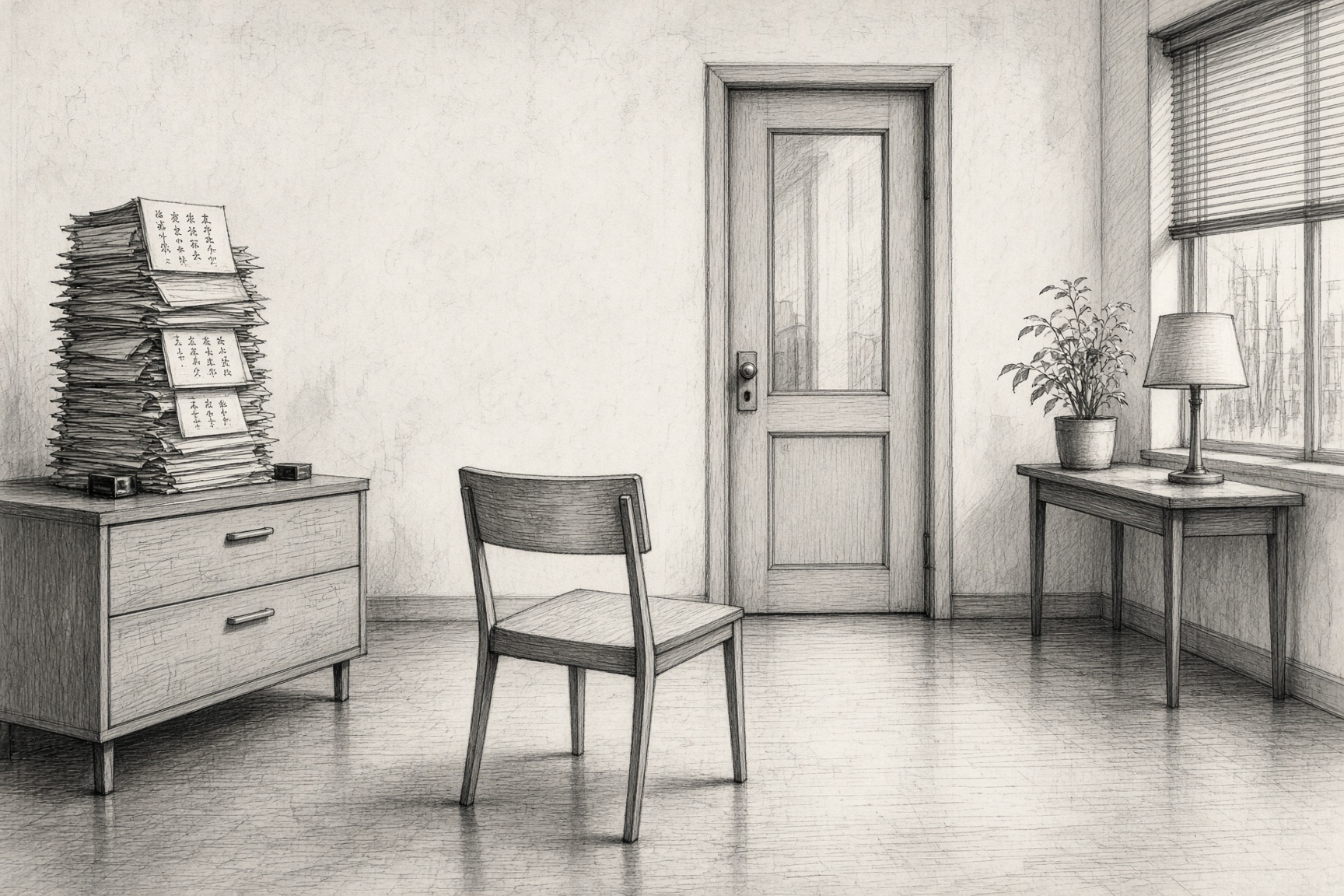
The Room That Follows Rules
A man in a locked room passes slips of Chinese by a rulebook. From outside, it looks like understanding. From inside, he says, it is not.
Berkeley, on the page · 1980
Philosophy
The Face That Obliges
A philosopher says the other person’s face is not an object I interpret. It is a command I did not issue.
Paris, on the page · 1961
Science
A physiologist argues that seeing is already a kind of reasoning we do not feel ourselves do.
Unconscious Conclusions
Heidelberg, then Berlin, on the page · 1867
Philosophy
Before I Hear the Bell
A Kyoto philosopher names an experience that is not yet split into hearer and heard.
Kyoto, on the page · 1911

Ordinary Life
Two-ness
An American scholar names a sense of always looking at oneself through the eyes of a world that refuses to see you as one.
Atlanta, and on the page from Great Barrington · 1903
Philosophy
The Soul That Can Be Cut
A Roman poem says mind and soul are matter, fine but mortal, and die with the body they are woven through.
Italy, on the page of a poem · c. 50s BCE
Sacred Traditions
A monk at court uses a golden lion to show an empress that each part of the world is the whole, without the parts vanishing.
The Lion Was Gold
Chang'an, in the palace telling · c. 699–704
Sacred Traditions
The Inner Head
A Yoruba scholar of Ifá explains ori: the physical head, and the inner head one is said to have chosen, which is not a European soul in disguise.
Ilé-Ifẹ̀, and on the page · 1976
Philosophy
I and You
A book says the world can be met as an It, or addressed as a You. Consciousness, here, is a kind of relation, not a sealed lamp.
Germany and later Jerusalem, on the page · 1923

Philosophy
Things Are Lights
A philosopher in Aleppo writes a metaphysics in which things are degrees of light. He will be killed. The book remains.
Aleppo · 1186 / 1191
Science
A psychologist says the world is not a picture in the head. It is a set of offerings: surfaces that can be walked, grasped, sat.
The Door Handle
Cornell, on the page · 1979
Philosophy
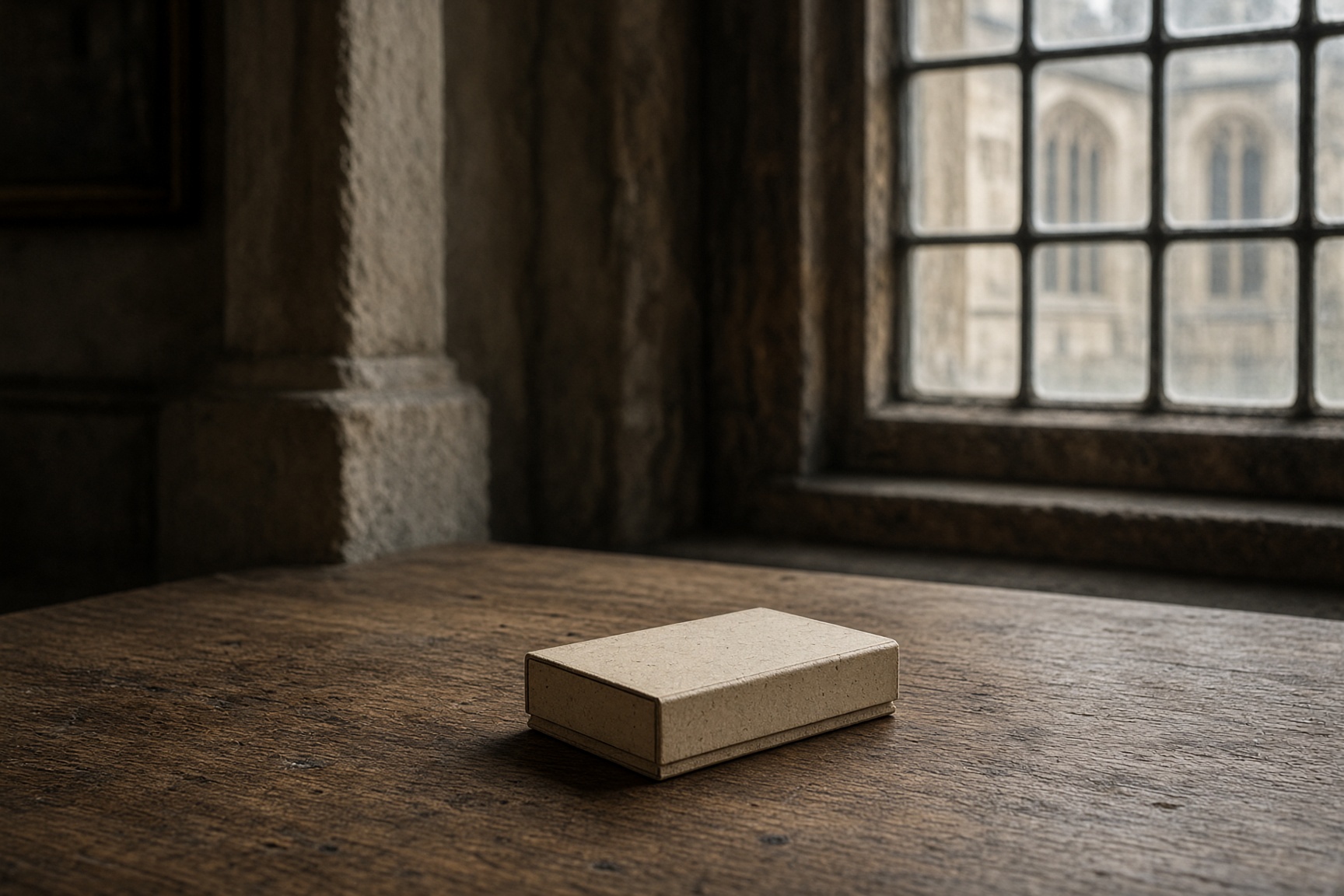
A Box, a Beetle
A philosopher asks us to imagine that everyone has a box with something in it called a beetle. No one can look in anyone else’s box.
Cambridge, on the page · 1953
Art & Literature
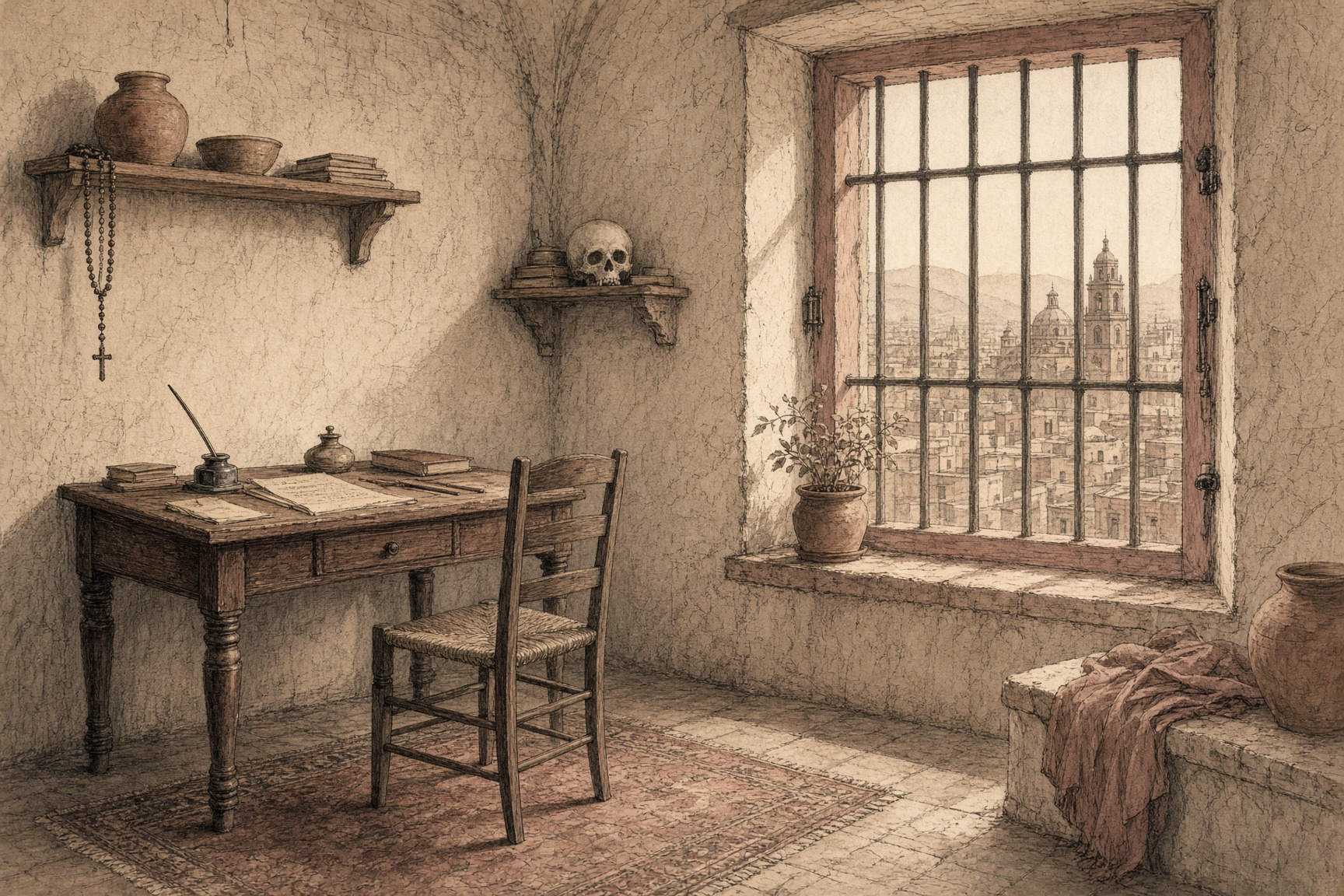
The Hunger to Know
A nun in New Spain defends a woman’s right to letters. The mind, in her argument, is not a luxury of men.
Mexico City, convent of San Jerónimo · 1691

Philosophy
For Those Who Are Perplexed
A physician in Fustat writes a guide for readers caught between philosophy and the Law. The mind has to know how not to smash one with the other.
Fustat (Cairo) · c. 1190
Philosophy
A philosophical novel from al-Andalus imagines a child raised by a gazelle who comes, without a teacher, to intellect and then to a God.
The Child and the Gazelle
An island, on the page · c. 1160s
Philosophy
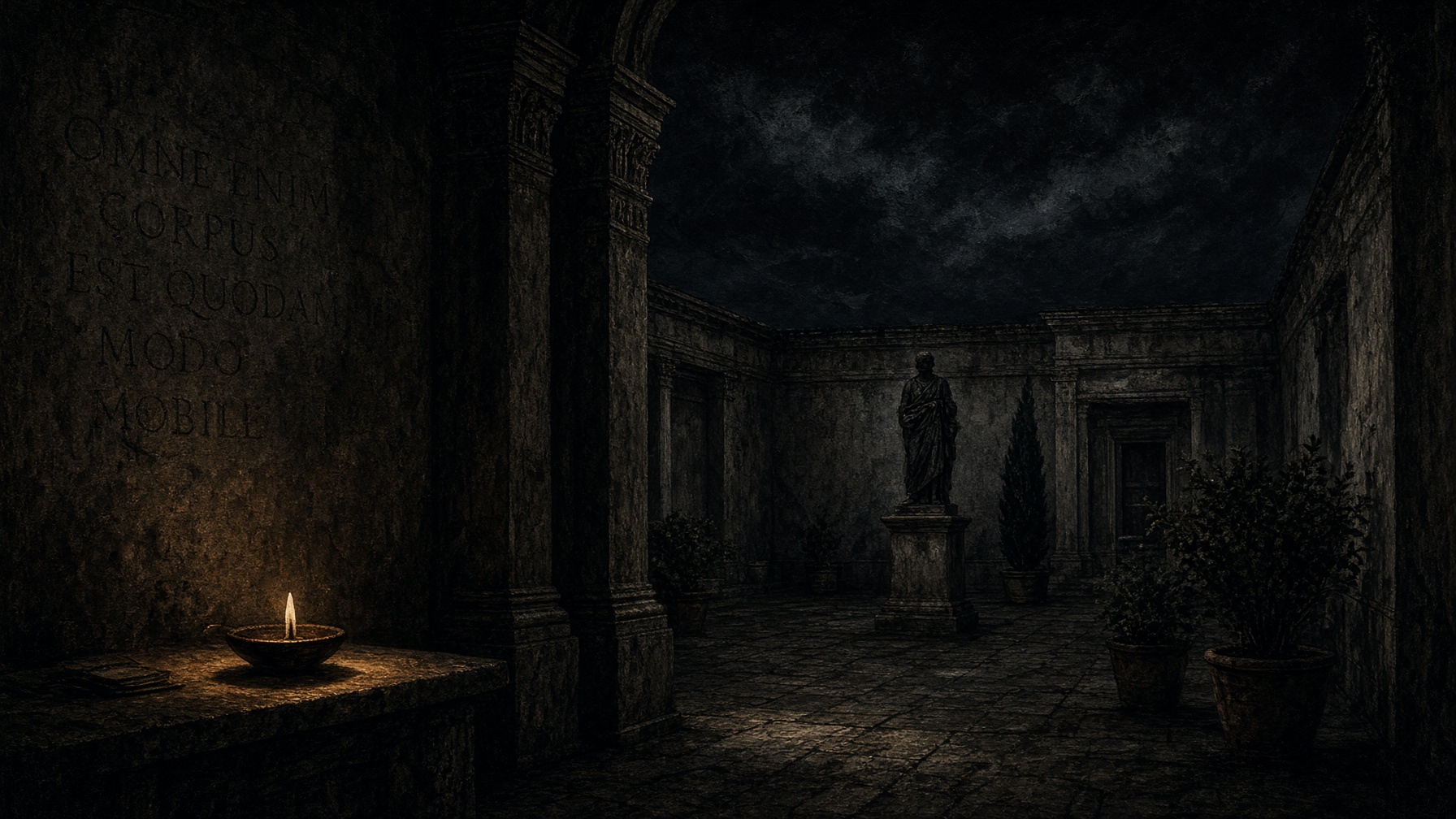
The Flight of the Alone
A philosopher in Rome writes of a turning inward that is also a going up, until there is no longer a pair of seer and seen.
Rome, of the seminars Porphyry later edited · c. 250–270

Philosophy
Waiting, Not Seeking
A woman in Marseille writes that schoolwork is training for prayer: attention is a waiting, not a clenched effort.
Marseille · 1942
Philosophy
Look, a Negro
A man on a train is named by a child’s fear. The naming, he writes, fixes a body from the outside.
Lyon, and the page of *Peau noire, masques blancs* · 1952
Science
A clock, a flex of the wrist, a scalp potential that seems to rise before the reported wish to move. The finding is famous. It is also contested.
The Half-Second Before
University of California, San Francisco · 1983
Philosophy
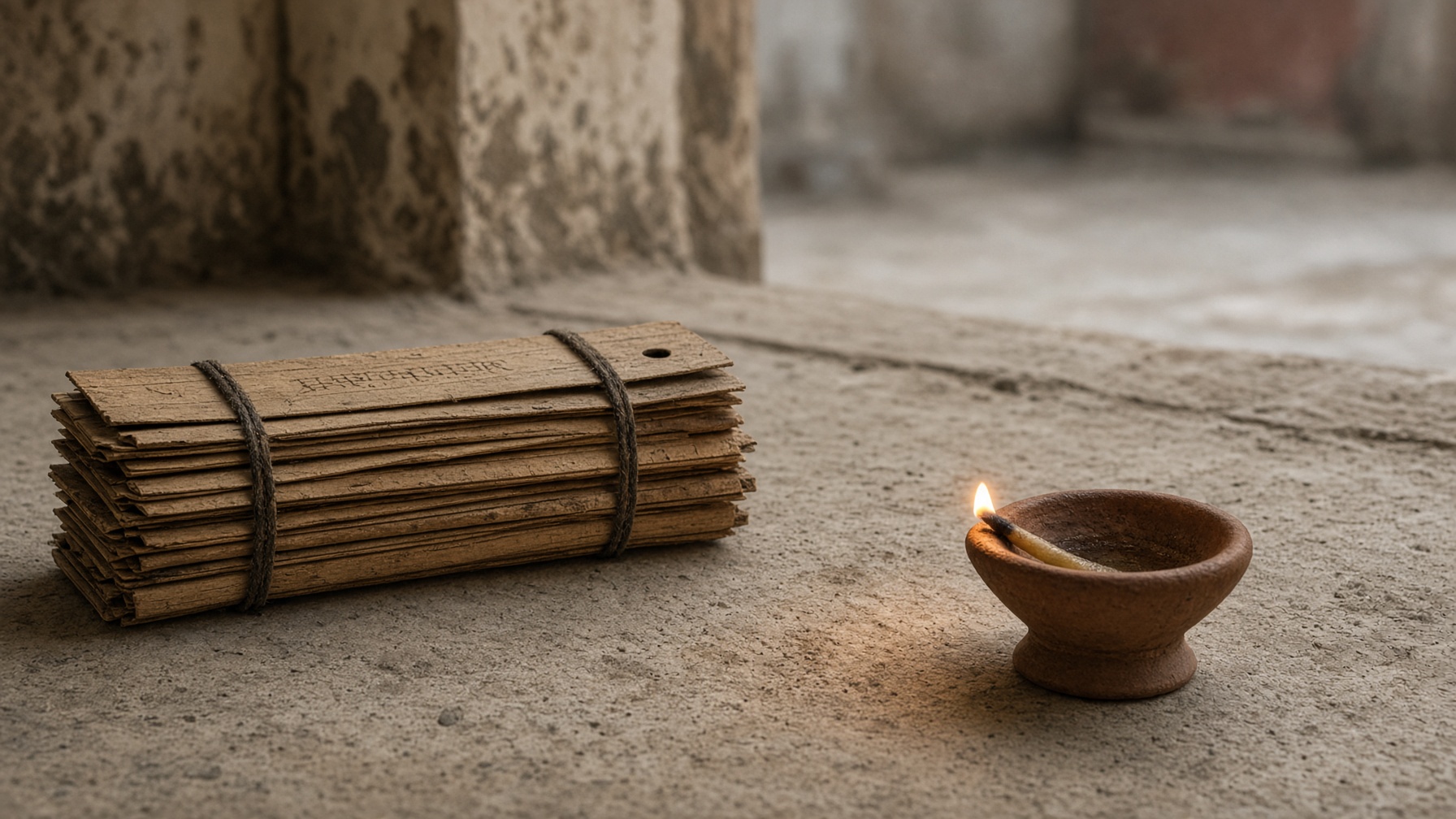
Empty of Own-Being
A verse treatise refuses to let things, including the mind that knows them, stand on their own. The refusal is an argument, not a mood.
South India, on the page of the *Mūlamadhyamakakārikā* · c. 2nd–3rd century CE
Sacred Traditions
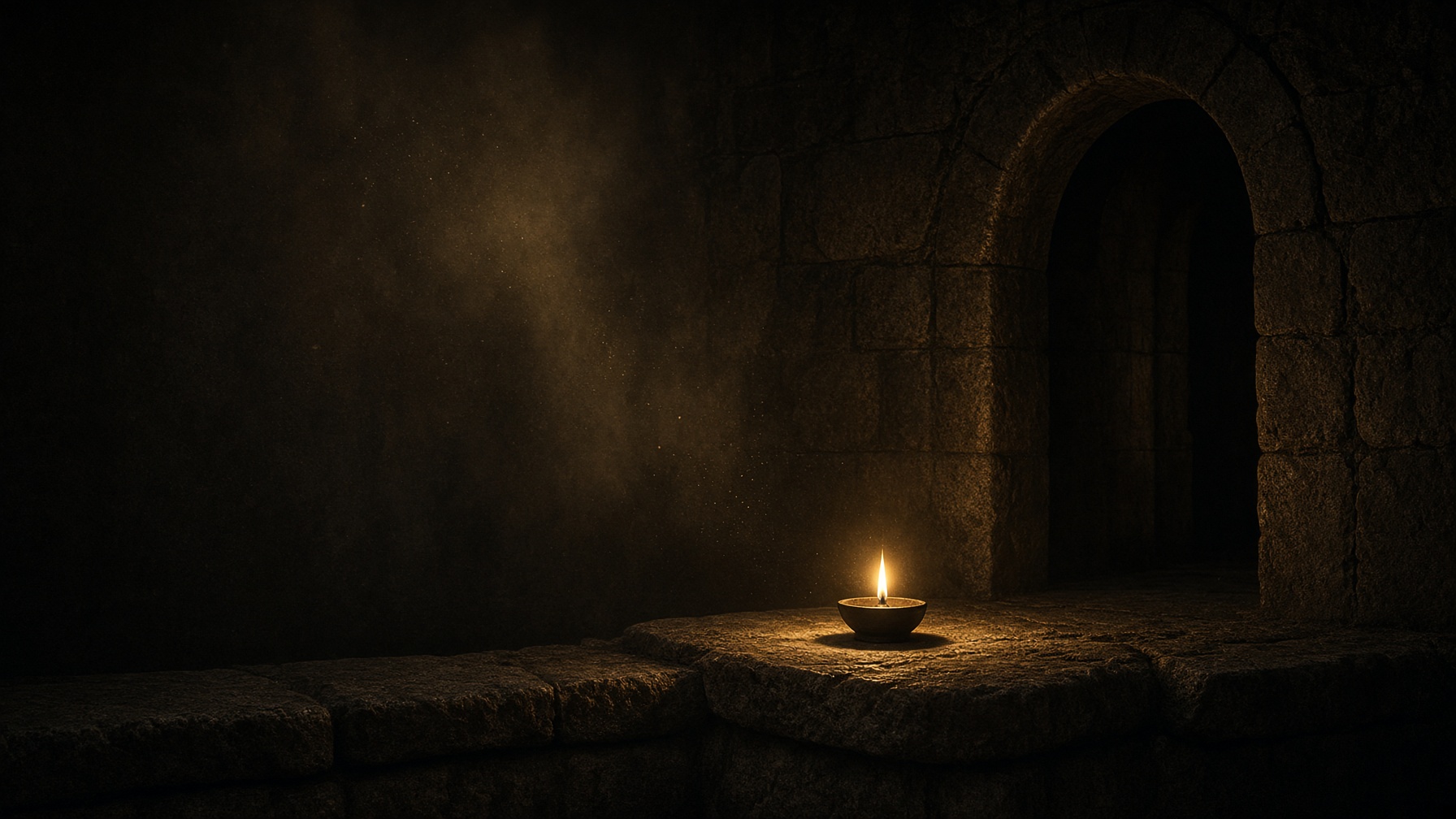
Light That Is Not a Creature
On Athos, a defense is written: the light seen in prayer is not a metaphor and not a created lamp. It is God, they say, as energy, not as essence.
Mount Athos, and Constantinople of the controversy · 1330s–1351

Philosophy
The Two-in-One
A political thinker, late, describes thinking as a conversation the mind holds with itself. Solitude, she says, is populated.
New York · 1973–1978
Sacred Traditions
A Murcia-born Sufi describes a realm that is neither spirit nor body: the barzakh, where imagination is a world, not a mistake.
The Isthmus
Damascus, after Andalusia and Mecca · 1200–1240
Sacred Traditions
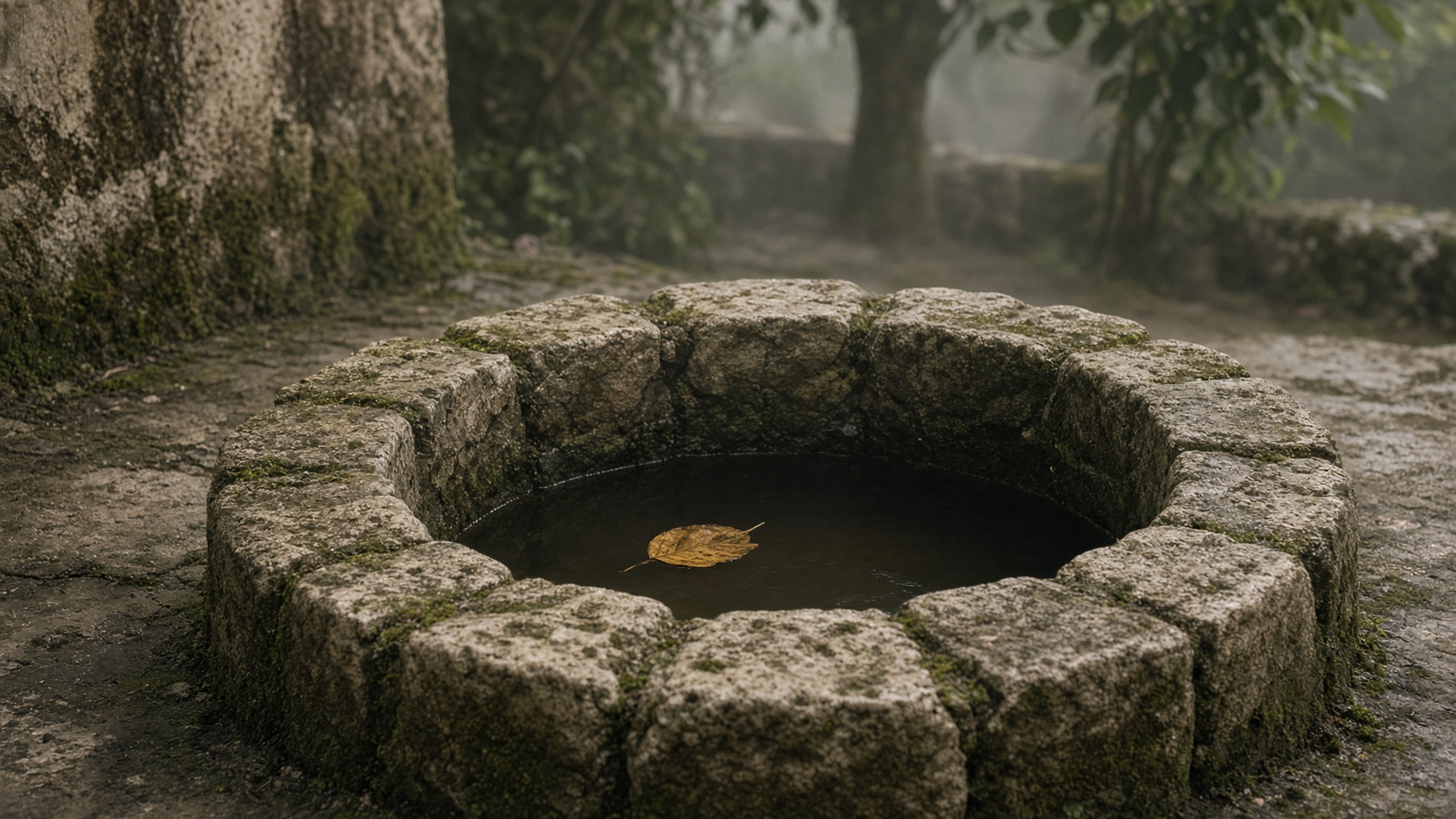
No Mirror, No Dust
A verse contest in a monastery: one poem wipes a mirror. Another says there was never a mirror. The second is the one the tradition keeps.
Huangmei, then Shaozhou, on the page of the Platform Sūtra · c. 7th–8th century, as later told
Philosophy
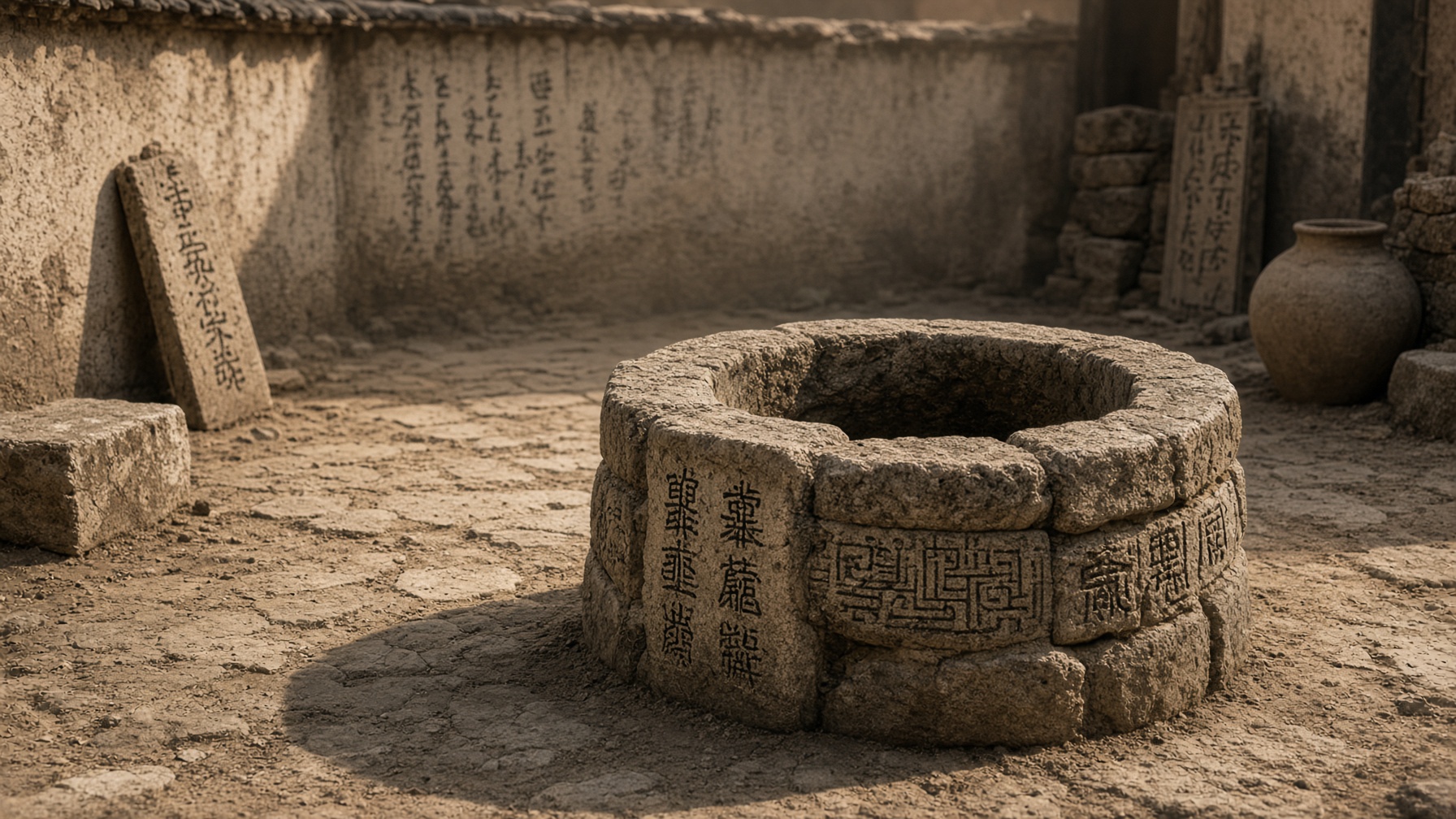
The Child and the Well
A Warring States teacher says that anyone, seeing a child about to fall into a well, would feel alarm. That feeling, he claims, is a sprout of the heart-mind.
The courts and dialogues of the *Mencius* · c. 4th century BCE

Science
A Loop That Is Lived
A Chilean biologist, with a philosopher and a psychologist, argues that mind is not a picture in a head. It is an enactment in a body that is already a world.
Santiago, Paris, and the page of *The Embodied Mind* · 1991
Philosophy
A Nguni proverb says a person is a person through other persons. Twentieth-century writers make a philosophy of it. The proverb is older than the seminars.
A Person Through Persons
Southern Africa, on the tongue and then on the page · proverb; 1990s writing