
Machine · Knowledge · 2016, among other dates
One Thread Among Many
A public figure bets that this is probably not base reality. The bet is not a proof. It is a contemporary form of an old unease.
- A stage in California, then the feed
- Early twenty-first century
- 33.74°N 118.40°W
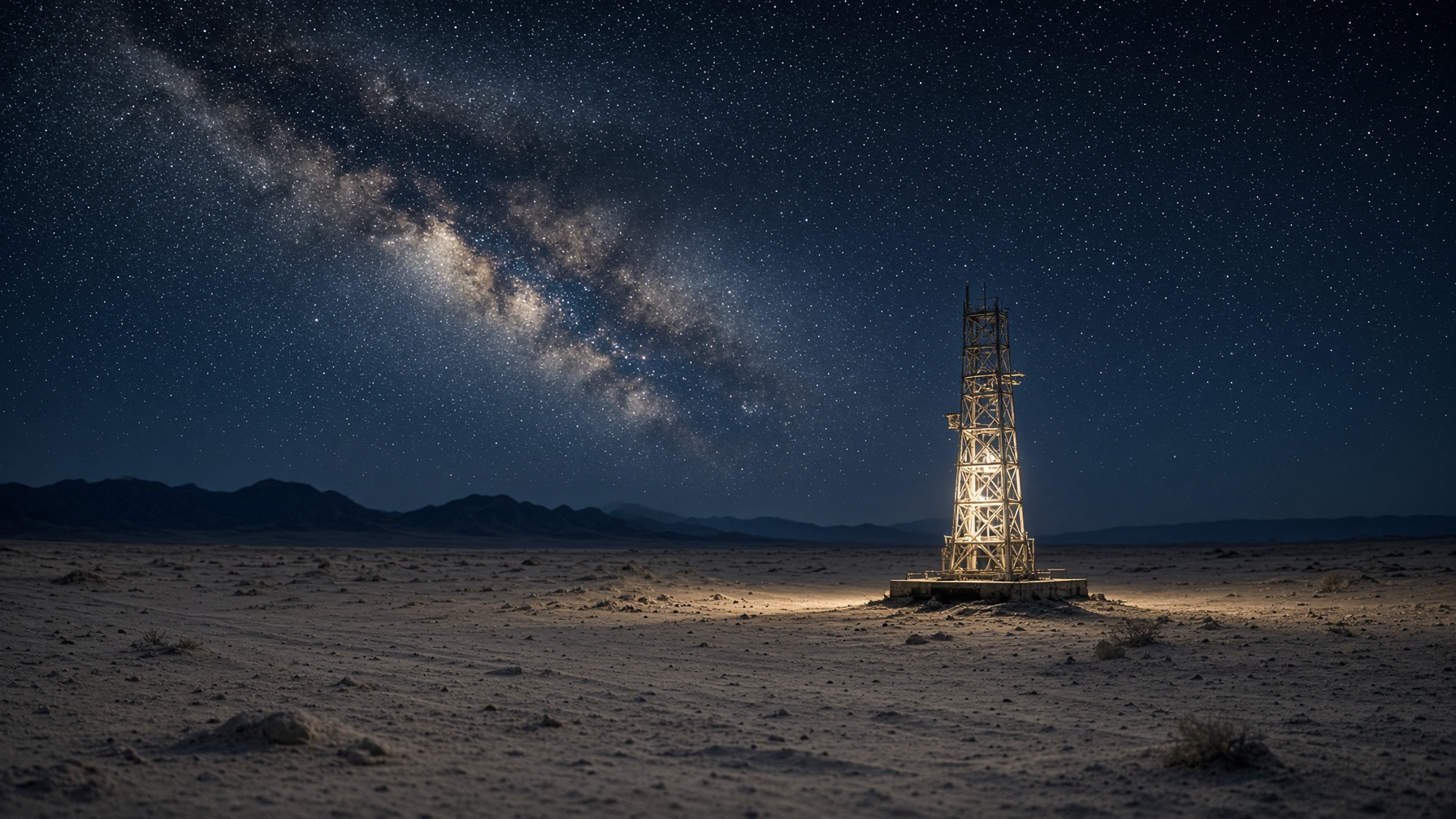
Plate · Generated interpretation
This plate is generated interpretation. Notice that before the odds.
Listen · Eve
0:00 / —:—
At the 2016 Code Conference, Elon Musk is asked about the simulation hypothesis. He answers, as he has elsewhere, with a stack of probabilities: if games keep improving, and if civilizations last, then simulated worlds should vastly outnumber “base” ones, and so we are likely not in the base. He has said he would prefer the simulated option, because the other (a single shot that goes extinct) looks worse. The room laughs, argues, quotes. The remark travels.
Musk’s public remarks (Code Conference 2016 and later interviews) are on record. He is not the author of the argument. Nick Bostrom’s 2003 paper “Are You Living in a Computer Simulation?” (draft 2001) is the philosophical source most often under these conversations. It is a trilemma, not a proof. Descartes’s deceiver, Putnam’s vat, Zuse’s calculating space, and Dick’s Metz speech are older kin in different offices. Musk is a prominent contemporary speaker of a compressed hypothesis, not its origin and not its judge.
The argument, in Bostrom’s careful version, is a trilemma, not a proof that we are simulated. It asks which of three is true: almost no civilization reaches simulation-capacity; those that do almost never run many ancestor-simulations; or we are almost certainly in one. Musk’s public phrasing often compresses this into odds. Compression is rhetoric. The trilemma remains a fork.
Engineers sometimes add a further claim: that consciousness is what a physical process does, and so a sufficiently faithful simulation of a brain would be a mind. That is a philosophical stance (roughly functionalism), not a result. It is the load-bearing assumption Bostrom names substrate independence. Other stances deny that copying the functions copies the lights. A product launch does not settle that.
To say the universe “looks like a game” is an analogy from a historically particular artifact. Games are how this century imagines nested making. Other centuries imagined dreams, theater, Indra’s net, the cave. Analogies reveal the analogizer.
Why it matters
The story belongs here because it is one way a technological culture restates the question of whether appearance is the world, and whether a made mind is a mind. It does not organize this house. It sits beside Plato, Zhuangzi, Turing, and Mary, as a late dialect. If it is useful, it is useful as a question about ethics: how we would owe one another if we were, or were making, such worlds.
A word
Latin simulare, to make like, from similis, like. A simulation is a made likeness. Whether a made likeness of a mind is a mind is the whole trouble of the word.
Distant echoes
Echo
Classical Greece · Athens
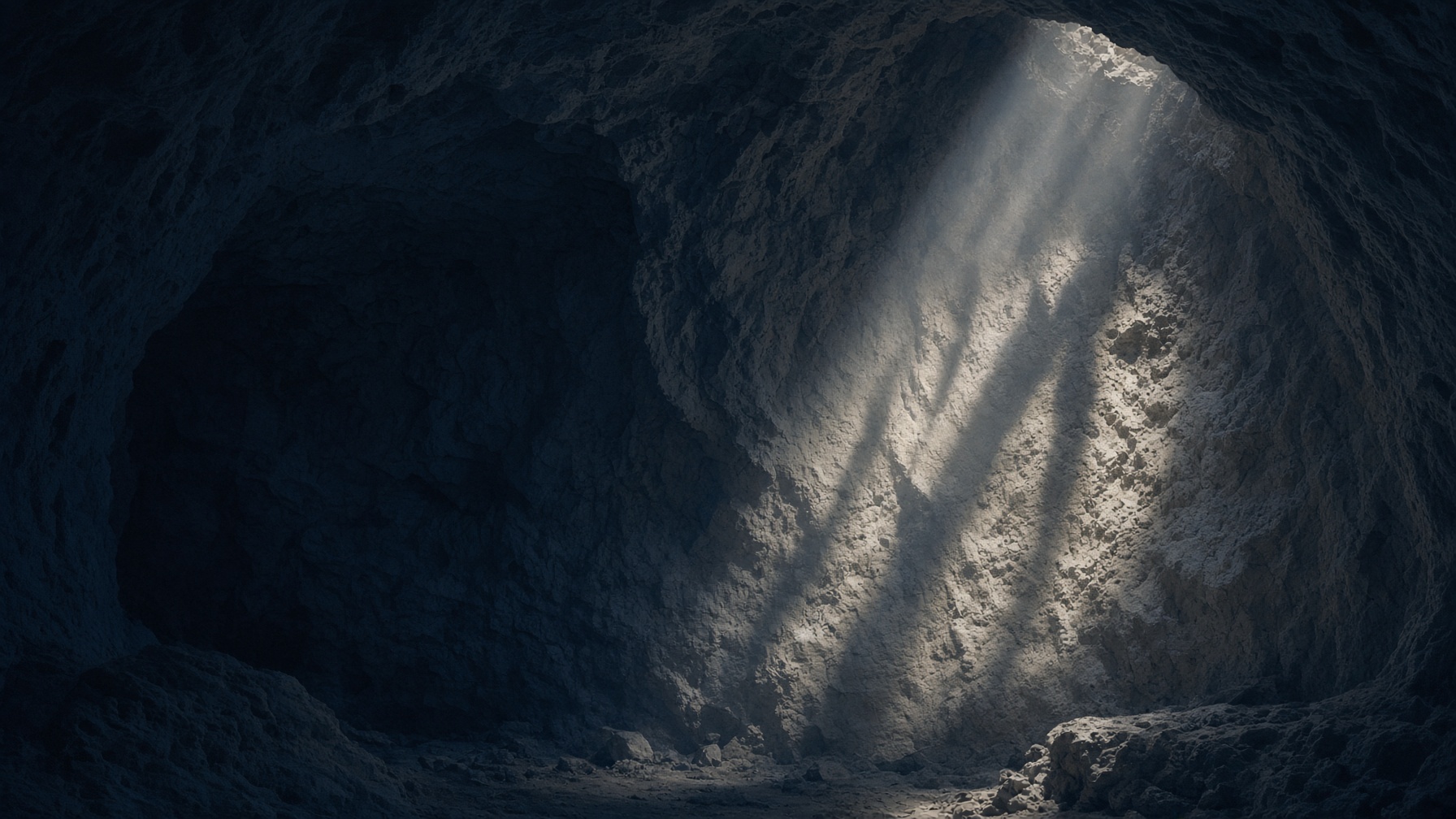
The fire and the wall
A lighting arrangement mistaken for the world. Plato’s concern is education and the good. The simulation talk is often about computers and odds. Same unease, different stakes.
Echo
Twentieth-century literature · A temple the story will not locate
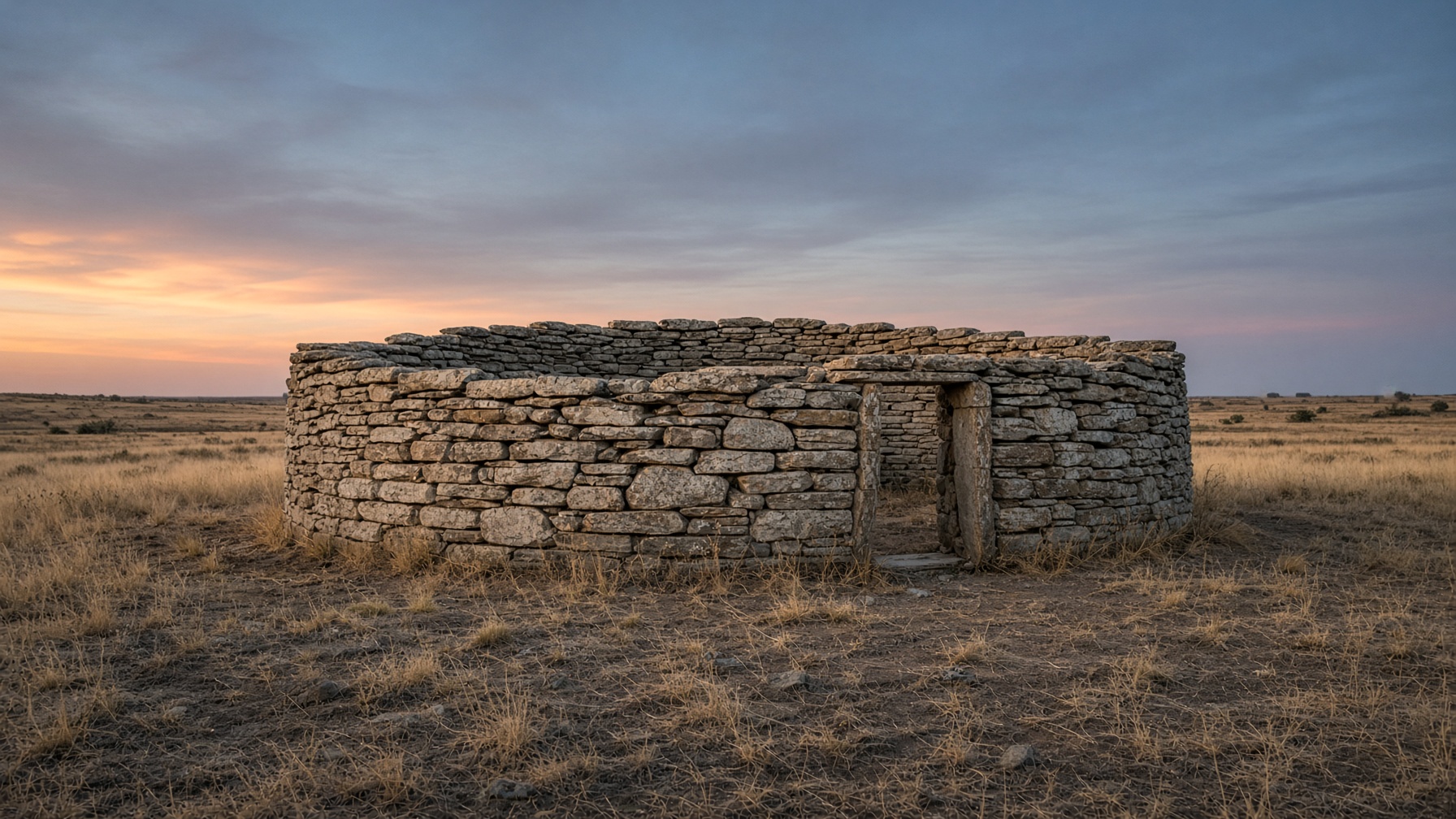
The circular ruins
A dreamed man who does not know. Fiction got there without a GPU.
Counterpoint
The space age · Cislunar space, and later low Earth orbit
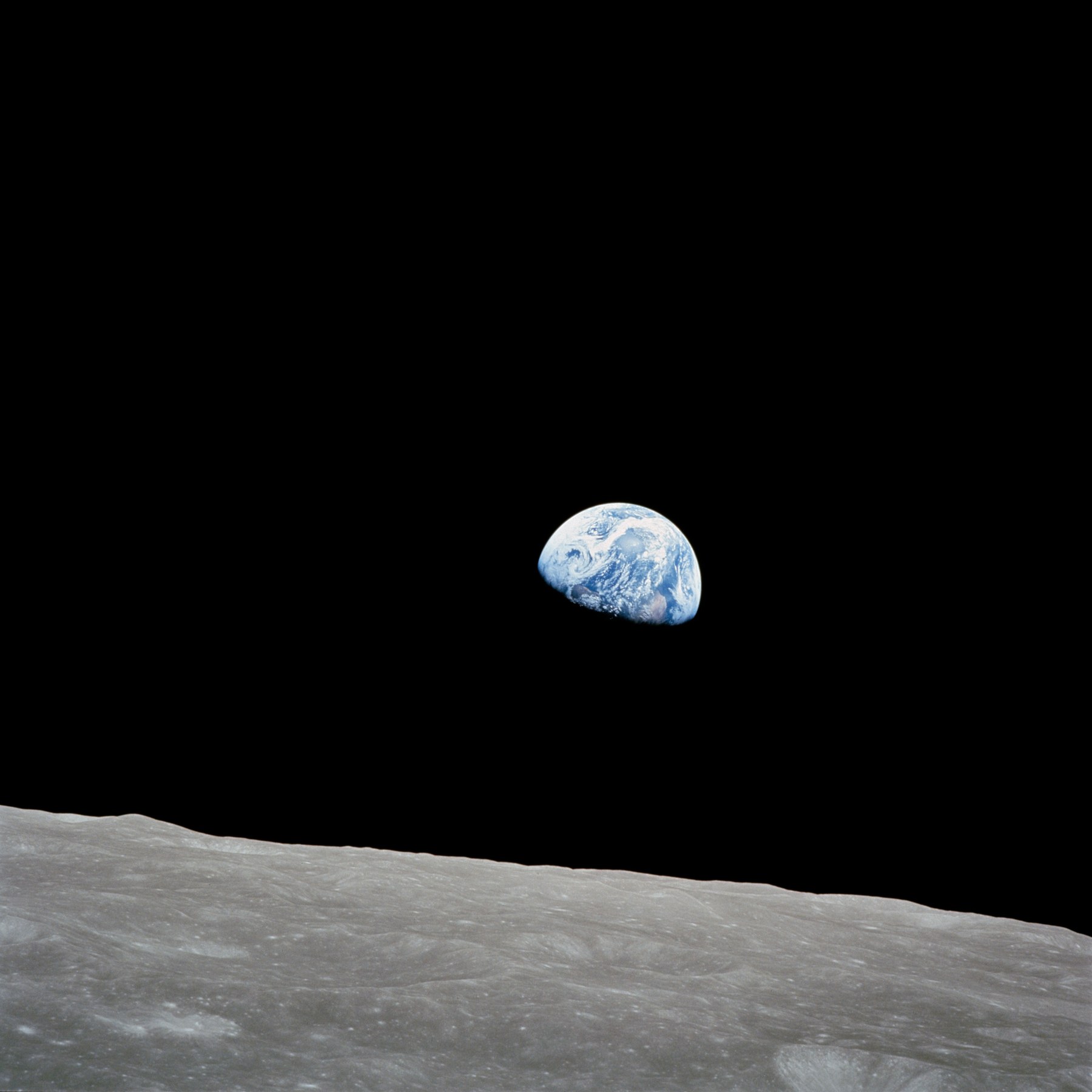
The pale blue disc
The overview makes the world more real by making it small and shared. Simulation talk can make the world less real by making it optional. Both are contemporary spiritual weather.
One question remains
Knowledge · What counts as knowing?
If this were a simulation, would that change what we owe the minds in it (including the ones we might yet make), or only change the furniture of our doubt?