
Portrait · Self · 1896
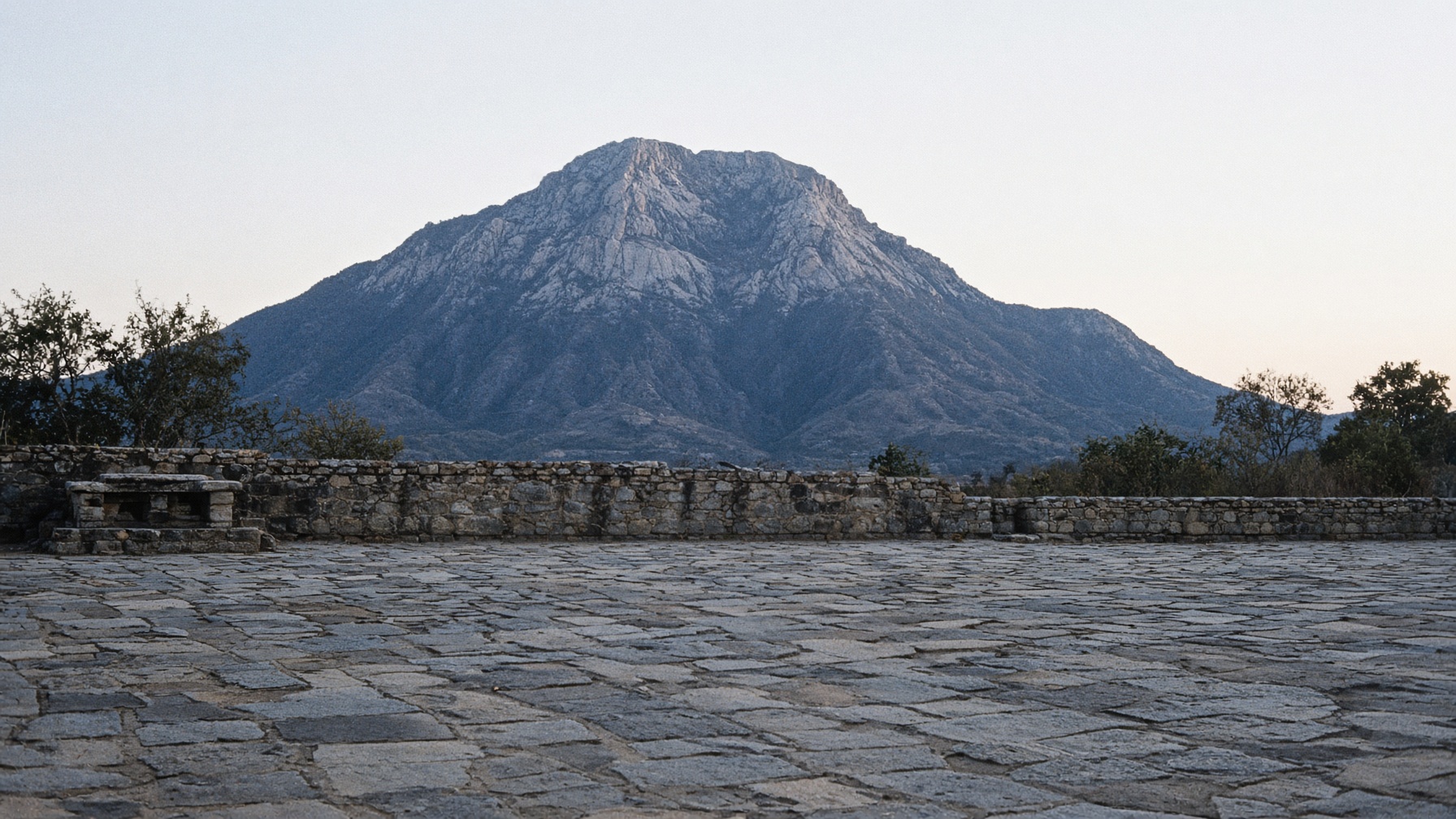
Plate · Generated interpretation
Who Is Asking?
A sixteen-year-old lies down as if dead, and a question becomes a life.
- Madurai, then Arunachala
- Colonial South India
- 9.93°N 78.12°E
Notice who is reading this sentence.
Listen · Eve
0:00 / —:—
In a room in Madurai, a boy named Venkataraman is seized by a sudden fear of death. He does not call for help. He lies down, stiffens his body, and follows the fear inward. The body is a corpse; he sees that. Something remains that is aware of the corpse. He later said the recognition was immediate and did not leave him. He left home for the mountain Arunachala, sat for years, and answered questions with a question: Who am I?
The death-experience is reported by Ramana Maharshi and recorded by early devotees, notably in accounts gathered around 1910–1930. It is a first-person report, retold. There is no clinical record. The method he taught (ātma-vichāra, self-inquiry) is abundantly attested in talks and in the short text Nāṉ Yār? (Who am I?).
The inquiry is simple to say and easy to turn into a technique that misses the point. A thought arises: I am thinking this. The instruction is not to replace it with a better thought, but to turn toward the “I” that claims the thought, and to stay there until the claimant is seen as not an object. Consciousness, in this teaching, is not produced by the mind. The mind appears in it.
The thought “who am I?” will destroy all other thoughts, and like the stick used for stirring the burning pyre, it will itself in the end get destroyed.
Advaita Vedānta supplies the metaphysical frame: the self is not the body-mind. Ramana’s emphasis is practical and severe. He was impatient with curiosity that would not turn into inquiry. That impatience is part of the historical person, not a proof of the metaphysics.
A word
vichāra
Sanskrit: inquiry, deliberation, moving through. Not doubt for its own sake. A directed search for the subject.
Distant echoes
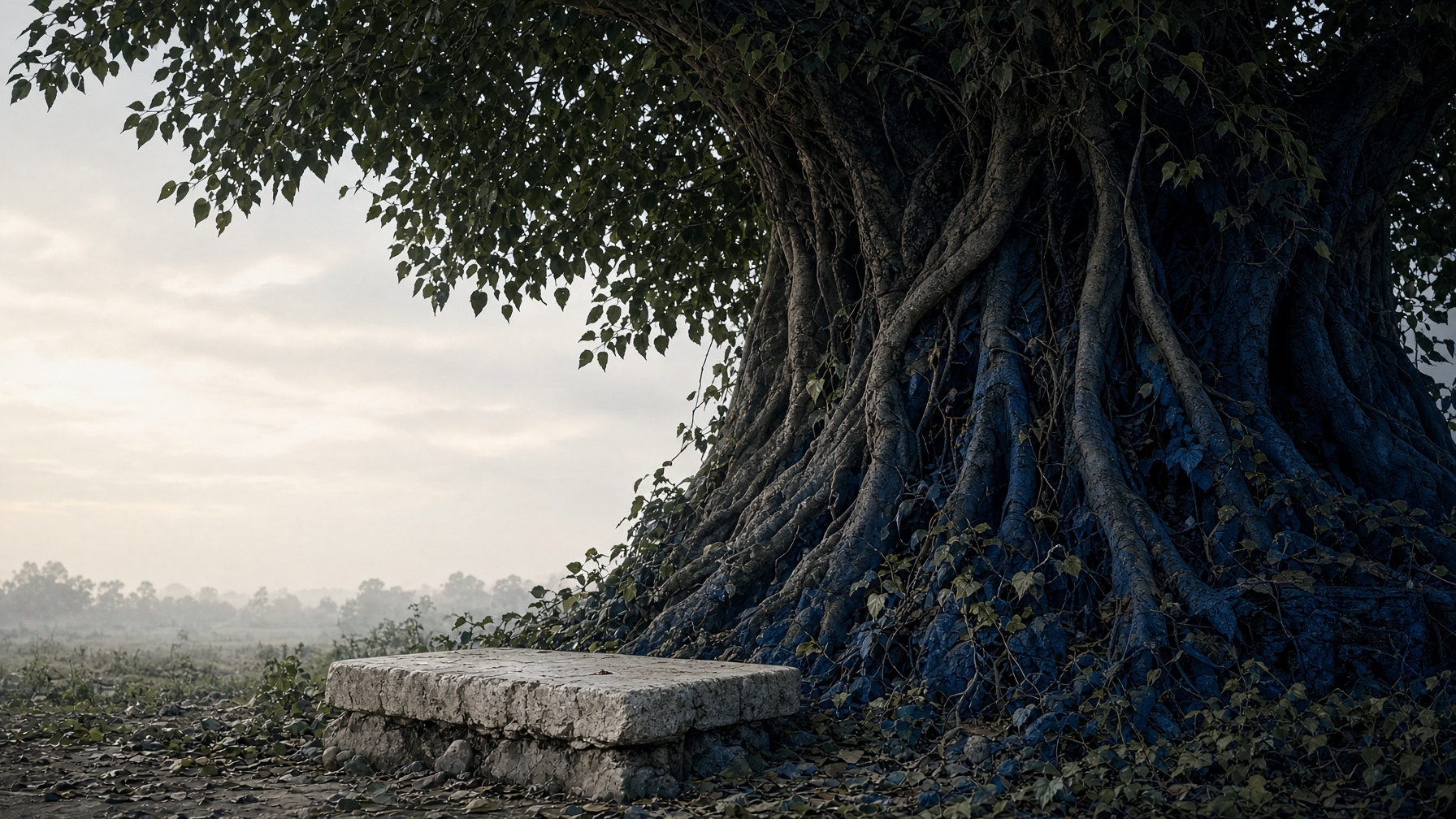
Echo
Second urbanization of the Ganges plain · Uruvelā, later Bodh Gayā
Beneath the fig
Another sitting, another claim that the ordinary I can be seen through. The analyses differ: khandhas here, ātman/brahman language there. Do not flatten them.
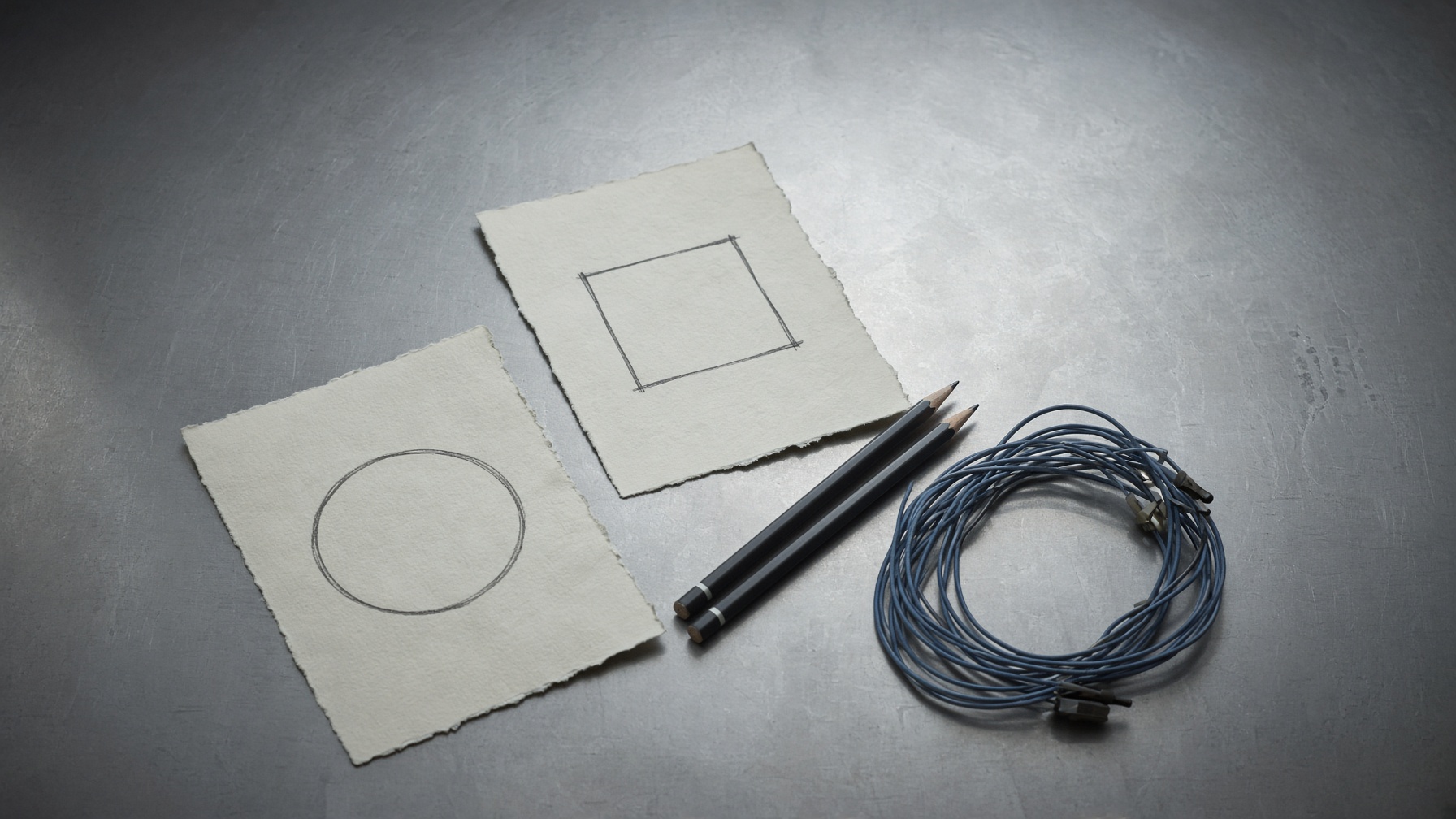
Counterpoint
Late twentieth century · California laboratories
Split brain, two reports
If the “I” can split with the commissure, what does self-inquiry find? Ramana’s teaching assumes a single witness. The clinic does not always.
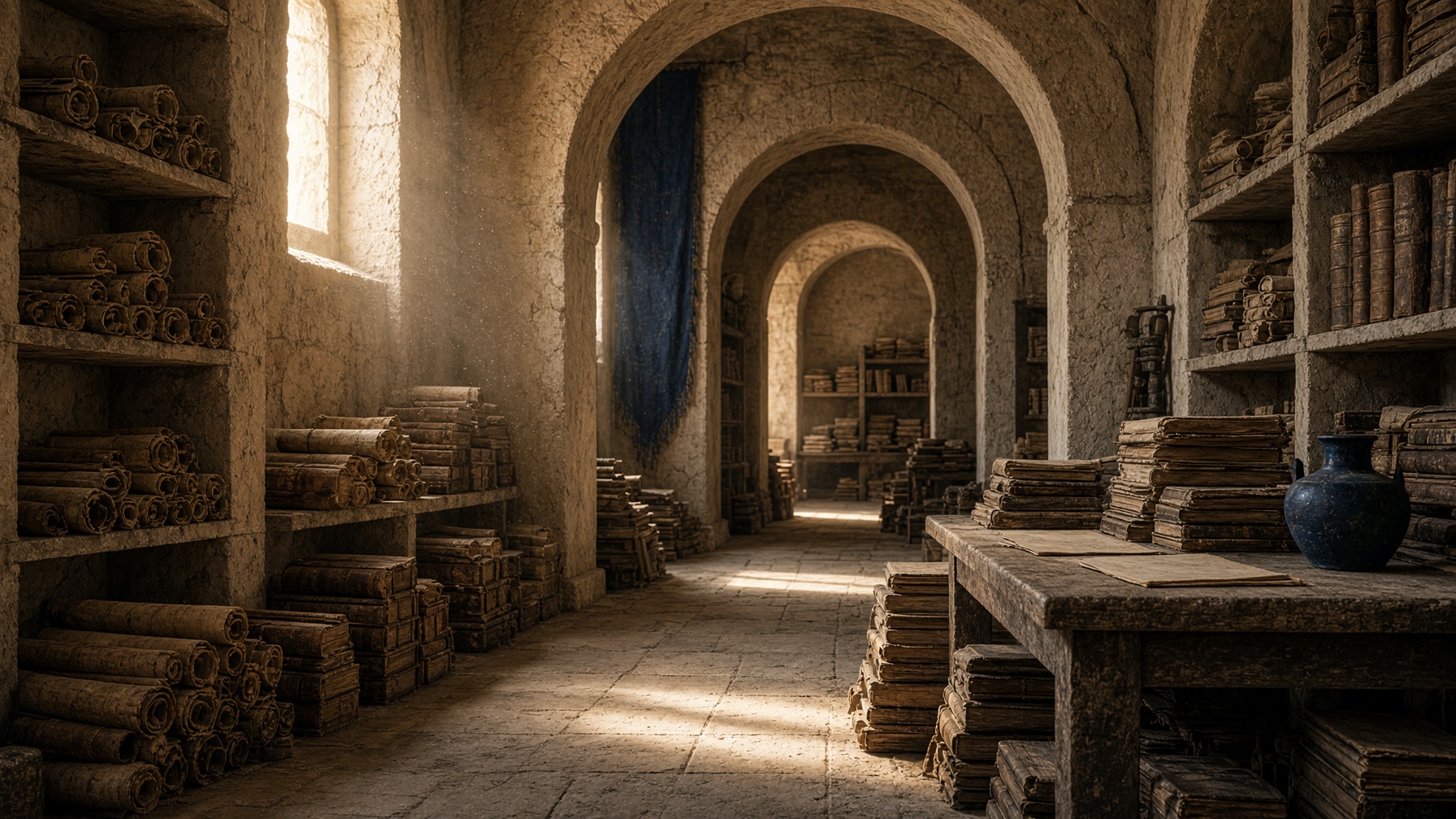
Another language
Late antiquity · Hippo Regius
Augustine’s palaces
Augustine searches memory for God and finds inner rooms without floor. Both men look inward. One looks for the Maker in the rooms; one looks for the one who looks.
One question remains
Self · Who or what is having the experience?
When the question “who am I?” is asked, is the asker already the answer, or is that a trick of grammar?