
Science · Mind & body · 1846 to now
When the Lights Go Out
A person counts backward, the room continues, and later there is a hole in the life where the cutting was.
- Operating theaters everywhere
- Modern medicine
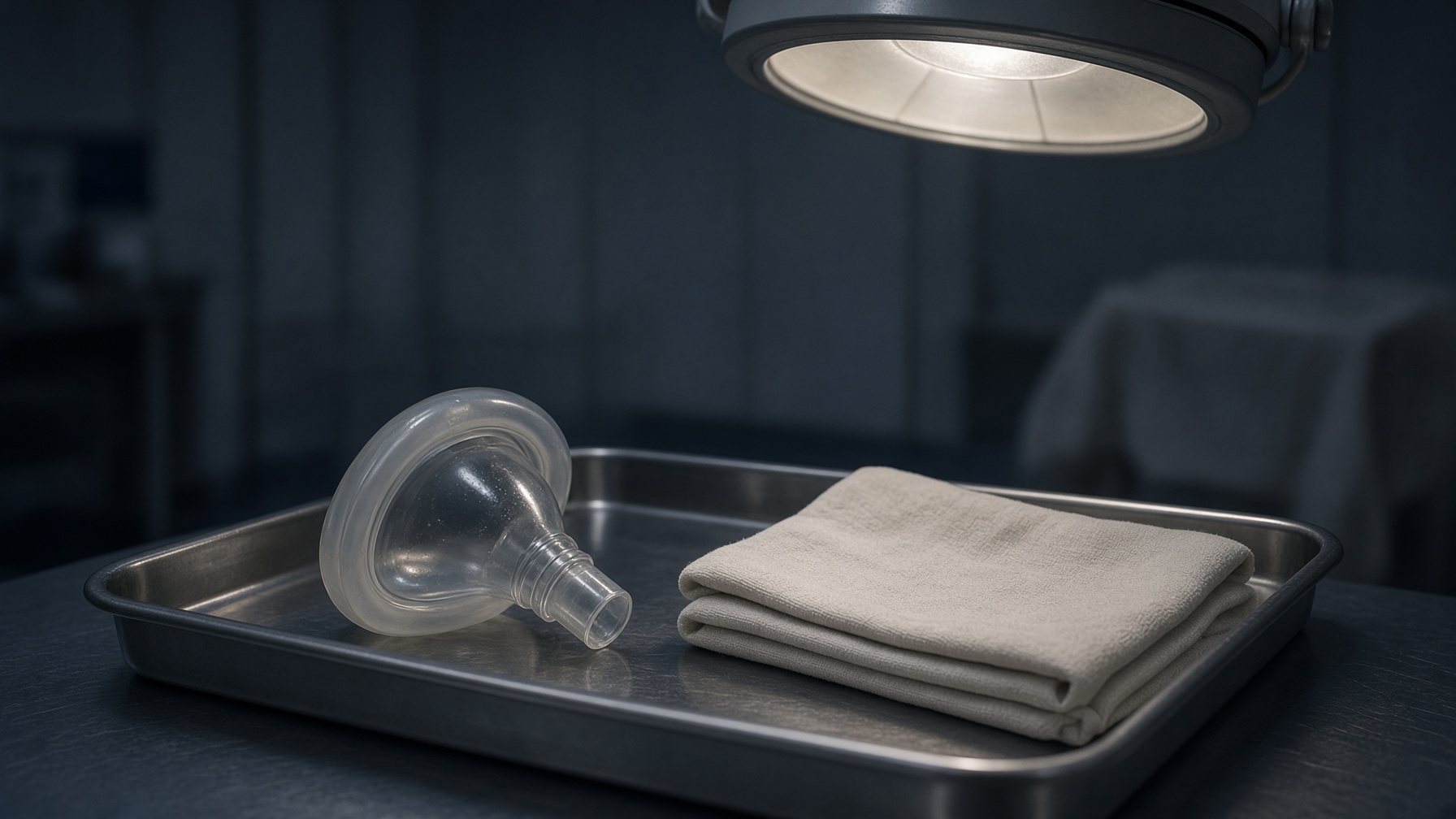
Plate · Generated interpretation
Listen · Eve
0:00 / —:—
In October 1846, at the Massachusetts General Hospital, ether quiets a patient for a public surgery. The demonstration works. A new kind of absence enters medicine: not sleep, not faint, not death: a reversible hole in experience. Today a patient counts, the voice slurries, the theater proceeds. Waking, they ask if it has started. It has finished. Minutes or hours have occurred in the world and, if all went well, in no one.
The 1846 ether demonstration is a historical event. The subsequent science of anesthesia is vast: agents, EEG signatures, rare cases of intraoperative awareness, and competing theories of what has been lost: information integration, cortical broadcast, a certain complexity, a certain quantum story. Those theories are not equivalent, and none is settled.
Anesthesia is the most ordinary metaphysical experiment on earth. We subtract experience on purpose, keep the body a living object, and restore the person. The ease of the practice conceals the scandal of the fact. If consciousness can be switched off by a molecule, it is not a ghost immune to matter. If the switching-off is sometimes incomplete (a patient awake and paralyzed) the first-person can be present while the room believes it has gone.
Intraoperative awareness with recall is documented, uncommon, and harrowing. EEG-based monitoring attempts to track depth; it is imperfect. The correlation of certain brain dynamics with reportable experience is real. The identity of those dynamics with consciousness remains interpretation.
A word
anesthesia
From Greek an-, without, and aisthēsis, sensation, perception. Oliver Wendell Holmes Sr. proposed the word to Morton in 1846. Without sensing: a privative definition of a mystery.
Distant echoes
Echo
Late twentieth century · Britain, then many labs
Seeing without seeing
Blindsight: a channel without a subject. Awareness under anesthesia: a subject who may be there without a channel to the room. Two dissociations.
Counterpoint
complicates
What survives memory loss
Some anesthetics abolish later memory more reliably than they abolish the moment. A hole in the life may be a hole in encoding, not in being. The patient cannot tell us which.
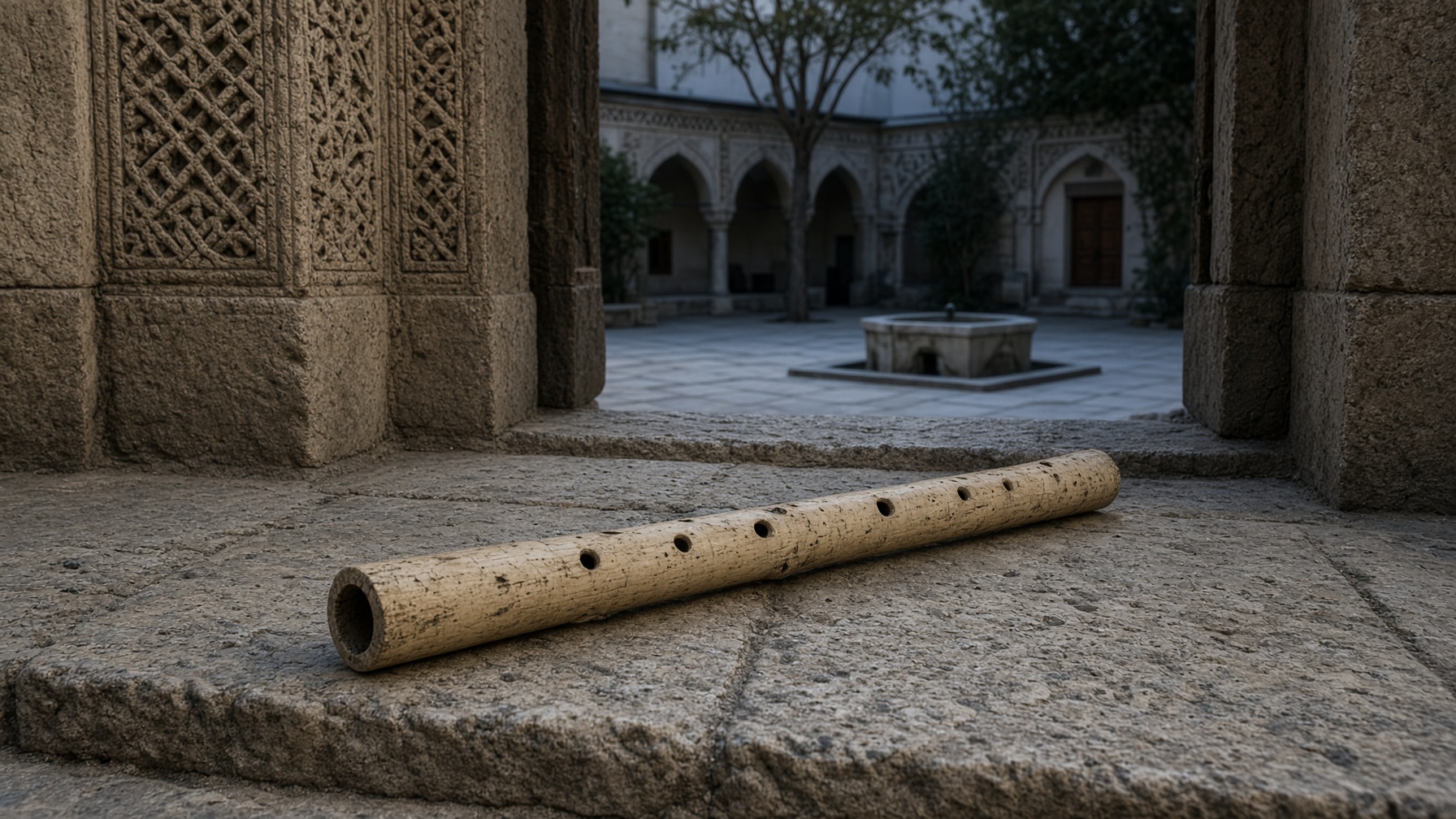
Another language
Seljuk Anatolia · Konya
The reed’s complaint
Rumi’s flute is consciousness as longing. The mask is consciousness as something that can stop. Both are true of human beings. They do not explain each other.
One question remains
Mind & body · How does experience live in matter?
When you come back, and the time is missing, was there a someone for whom it was like nothing, or was there no one at all?