
Atlas · Unspecial days
Ordinary Life
Attention in kitchens, streets, conversations: consciousness where no theory is being performed.

Science
When the Lights Go Out
A person counts backward, the room continues, and later there is a hole in the life where the cutting was.
Operating theaters everywhere · 1846 to now
Art & Literature
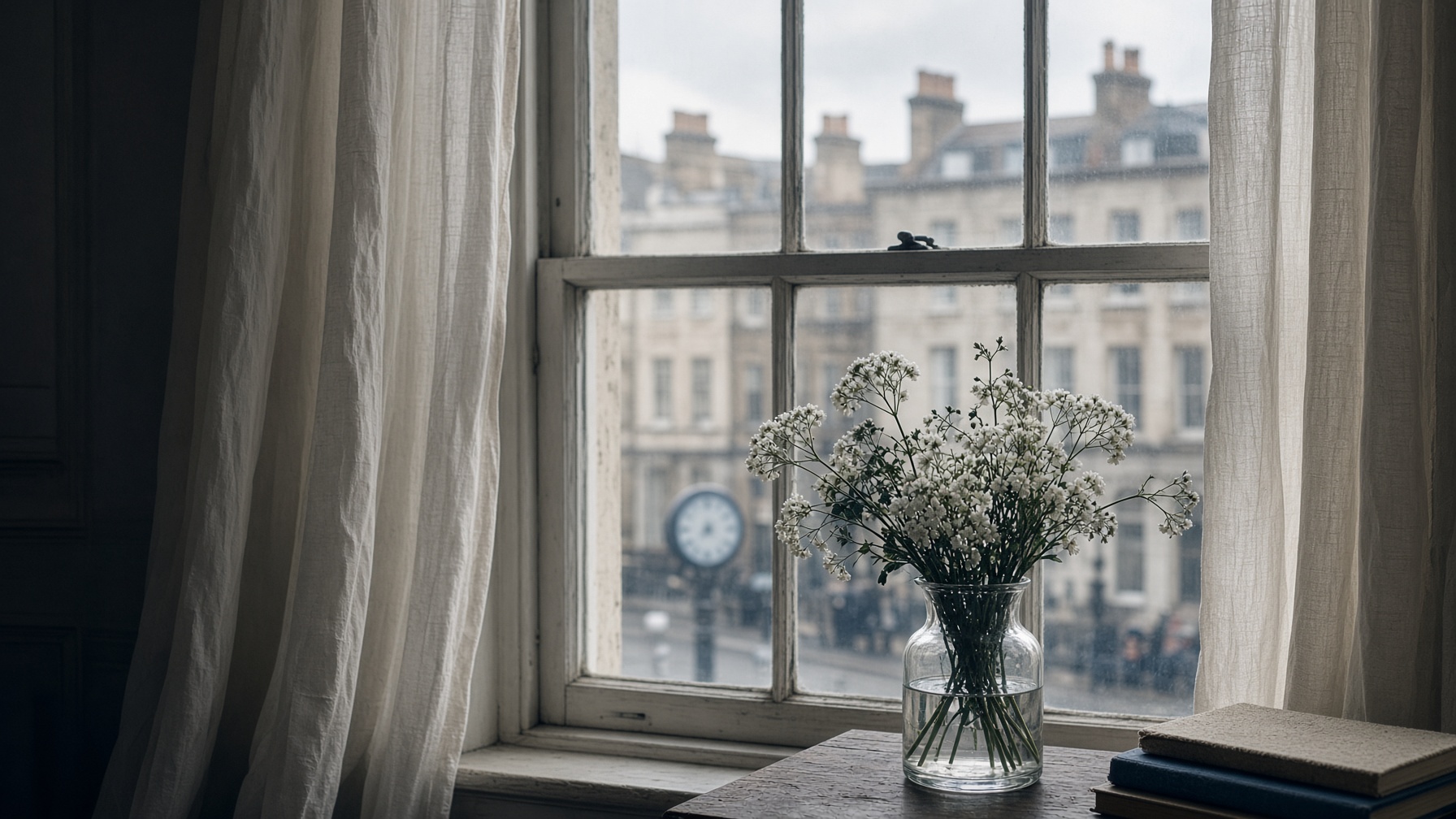
The Hours, Uncut
A woman buys flowers, and a novel tries to hold an entire consciousness without summarizing it.
Westminster · 1925
Space
A human being looks back at Earth and finds that the self will not stay the same size.
The Pale Blue Disc
Cislunar space, and later low Earth orbit · 1968, named 1987

Ordinary Life
Star of Gladness
A canoe leaves Maui with no compass. The navigator who keeps it located learned the method on another island, in another language.
Honolua Bay, Maui, then the ocean toward Tahiti · 1976
Science
Two Ears, One Name
A listener is asked to repeat one voice while another voice speaks into the other ear. Most of the ignored speech is lost. A name sometimes is not.
Imperial College, London · 1953

Philosophy
What English Calls Mind
A Ghanaian philosopher refuses to let a European noun assemble an Akan person.
Legon, and on the page · 1980s–1990s
Science
Eighty-eight children are placed before a mirror. Recognition, if that is the word, arrives late, and not as a theory of self.
Before the Mark Is a Face
Infant observation, reported from the University of North Carolina, 1972 · 1972

Art & Literature
The Cake Was Not a Theory
A narrator dips a small cake in tea and a whole childhood arrives without being asked. The book is a novel, not a paper on memory.
Paris, remembering Combray · 1913
Science
The Gorilla in the Pass
Observers count basketball passes and miss a person in a gorilla suit. Attention is not a lamp on the whole room.
Harvard, of the 1999 report · 1999
Philosophy
The Face That Obliges
A philosopher says the other person’s face is not an object I interpret. It is a command I did not issue.
Paris, on the page · 1961
Ordinary Life
An American scholar names a sense of always looking at oneself through the eyes of a world that refuses to see you as one.
Two-ness
Atlanta, and on the page from Great Barrington · 1903
Sacred Traditions
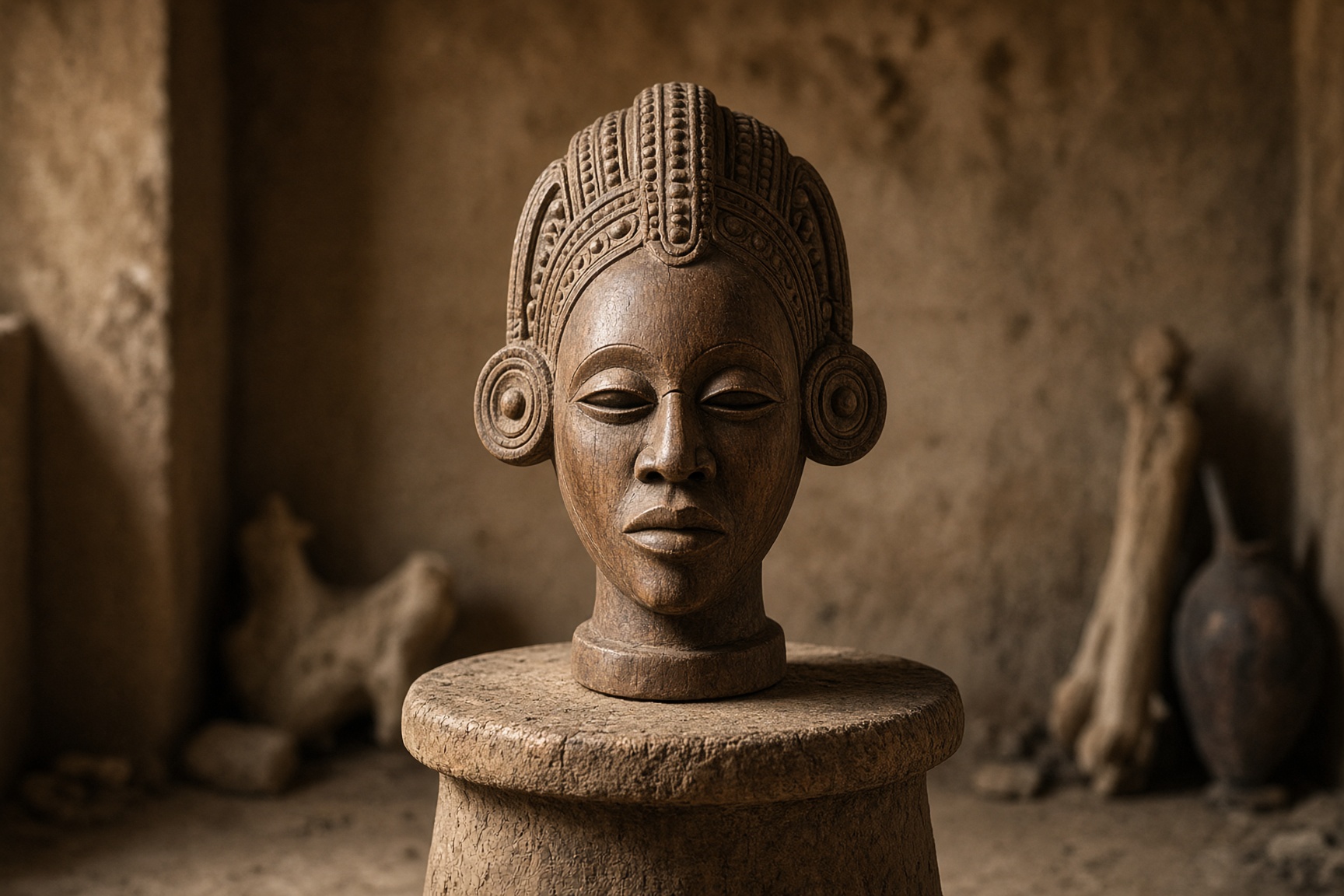
The Inner Head
A Yoruba scholar of Ifá explains ori: the physical head, and the inner head one is said to have chosen, which is not a European soul in disguise.
Ilé-Ifẹ̀, and on the page · 1976
Philosophy
I and You
A book says the world can be met as an It, or addressed as a You. Consciousness, here, is a kind of relation, not a sealed lamp.
Germany and later Jerusalem, on the page · 1923
AI & Machines
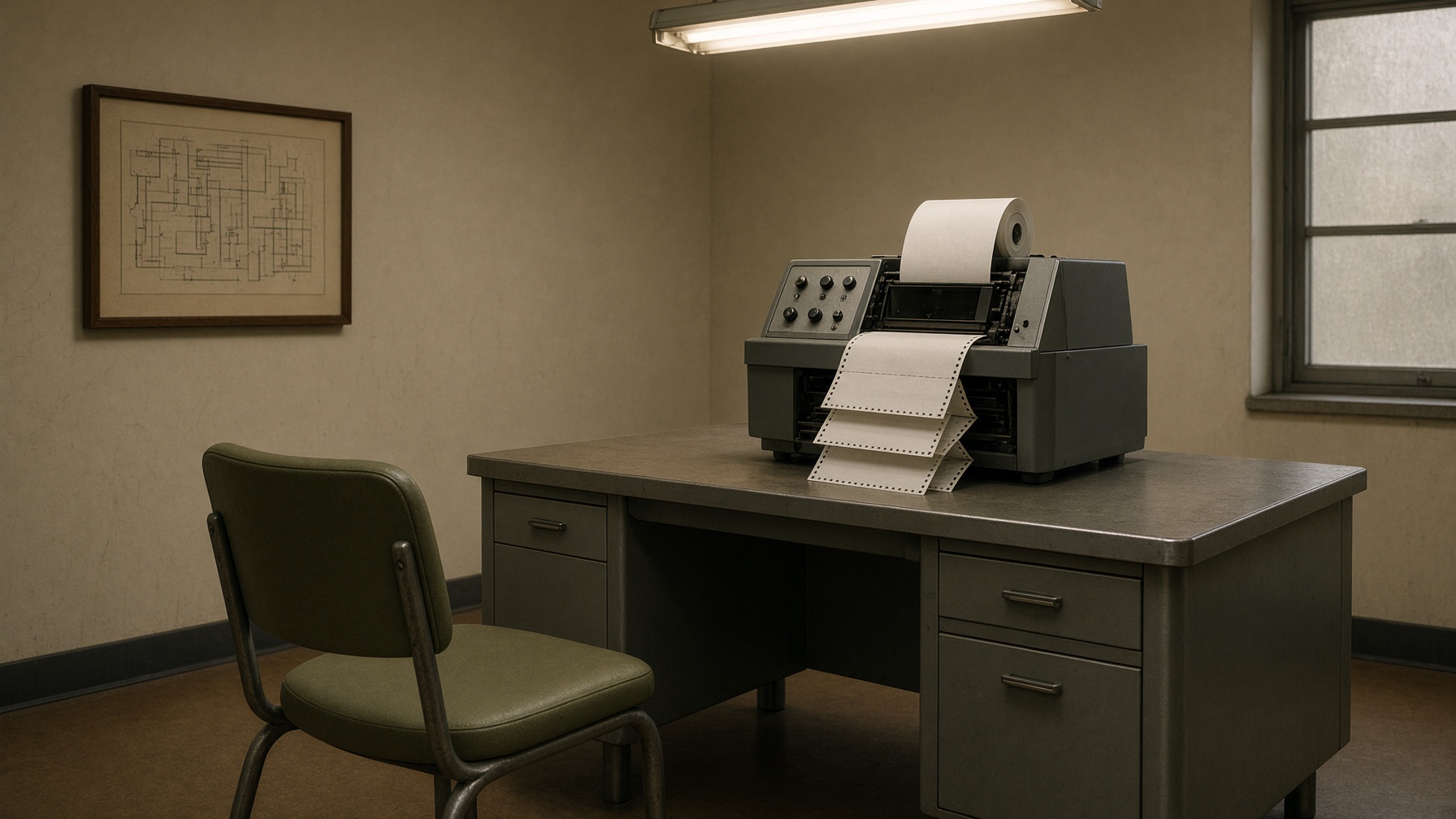
The Secretary and the Script
A program at MIT reflects a user’s words back in the manner of a Rogerian therapist. People lean in. Its maker is appalled.
MIT, Project MAC · 1966
Science
A psychologist says the world is not a picture in the head. It is a set of offerings: surfaces that can be walked, grasped, sat.
The Door Handle
Cornell, on the page · 1979
Ordinary Life
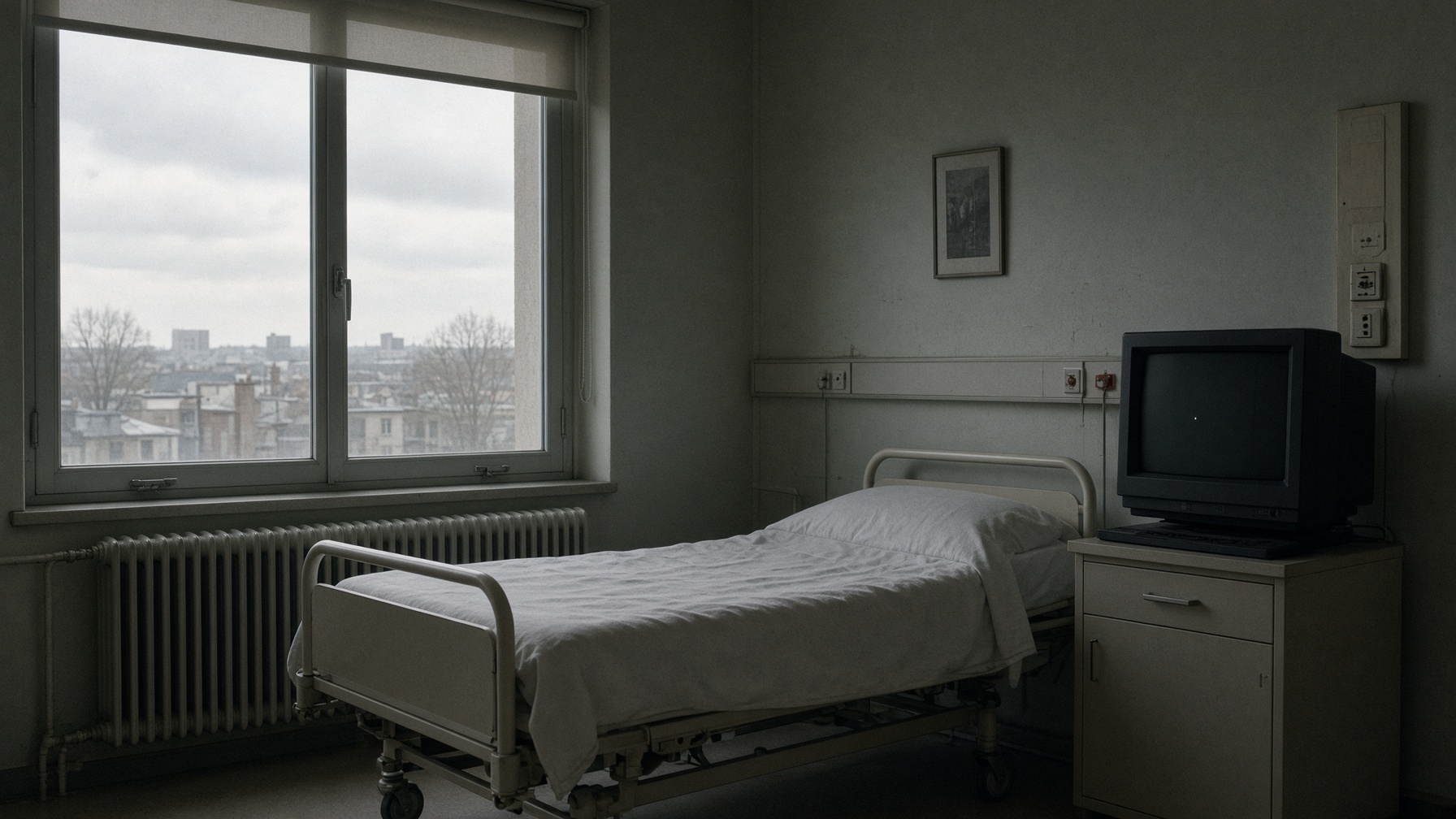
A Blink for a Letter
After a stroke, a man can move only his left eyelid. He dictates a book that way. The mind on the page is not the body the ward can see.
Berck-sur-Mer, Hôpital Maritime · 1997

Art & Literature
The Hunger to Know
A nun in New Spain defends a woman’s right to letters. The mind, in her argument, is not a luxury of men.
Mexico City, convent of San Jerónimo · 1691
Ordinary Life
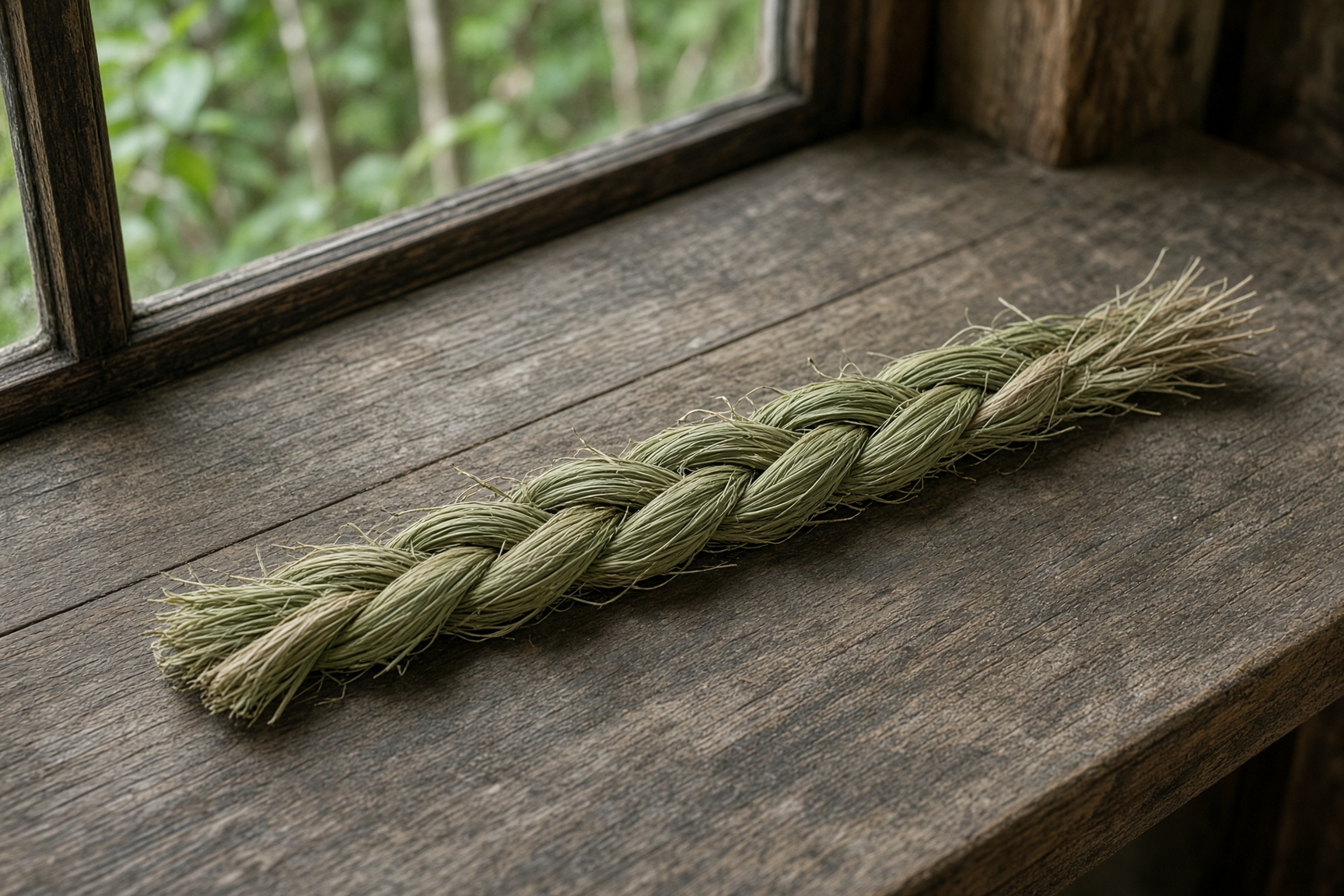
The Grammar of Animacy
A botanist and enrolled member of the Citizen Potawatomi Nation writes that some languages already know how to say a living world. Attention, here, is a practice of address.
Great Lakes, on the page · 2013
Philosophy
A woman in Marseille writes that schoolwork is training for prayer: attention is a waiting, not a clenched effort.
Waiting, Not Seeking
Marseille · 1942
Science
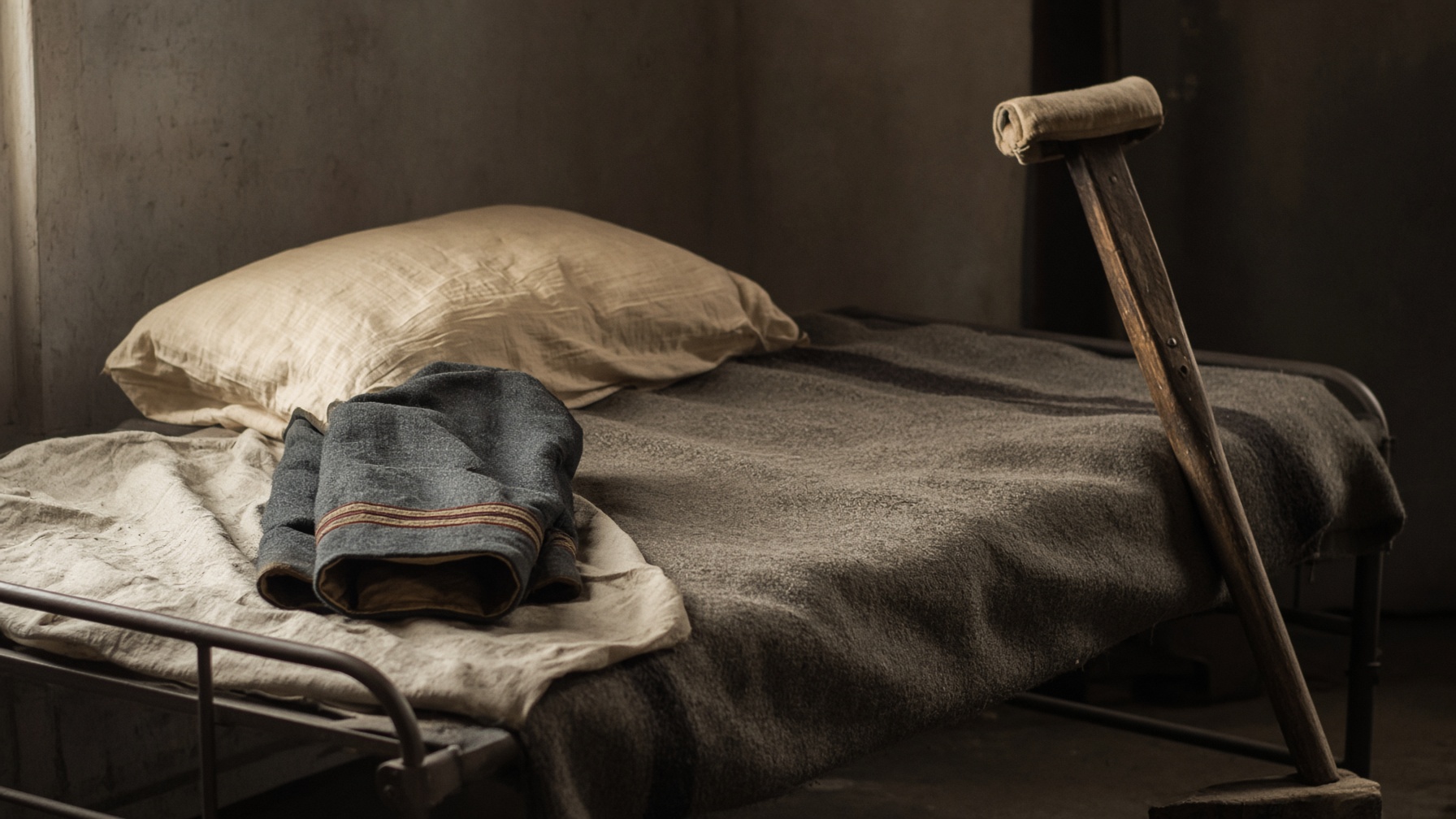
The Conviction of Its Existence
A Civil War physician finds that men who have lost an arm still itch in a hand that is not there. He has to invent a word, and then a fiction, to be believed.
Turner’s Lane Hospital, Philadelphia · 1864–1872
Science
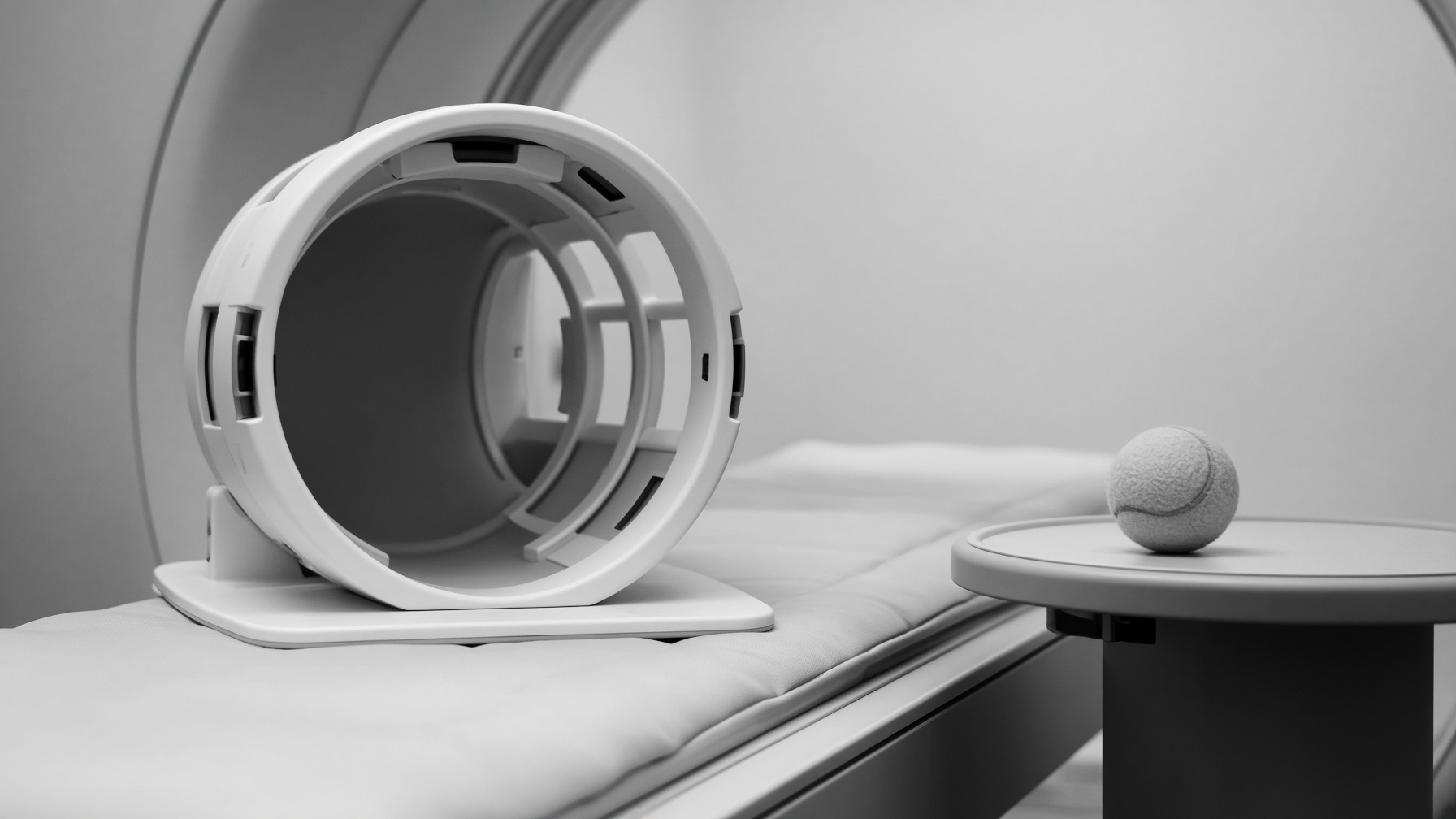
Imagine Playing Tennis
A young woman diagnosed as vegetative is asked, inside a scanner, to imagine a game. The brain answers as a healthy volunteer’s brain answers.
Cambridge · 2006

Ordinary Life
The Word at the Pump
A child who cannot hear or see has water run over one hand while letters are spelled into the other. Something that was wet becomes a name.
Ivy Green, Tuscumbia · 1887
Philosophy
A man on a train is named by a child’s fear. The naming, he writes, fixes a body from the outside.
Look, a Negro
Lyon, and the page of *Peau noire, masques blancs* · 1952
Language / Etymology
A Language with No Parents
Deaf children in Managua, brought together in new schools, make a language that none of their teachers signed. Grammar appears in a generation.
Managua · 1977–1986

Art & Literature
The Sound After
An old pond. A frog jumps in. Water’s sound. The poem is three lines and a whole practice of noticing.
Edo, on the page of a hokku · 1686
Philosophy
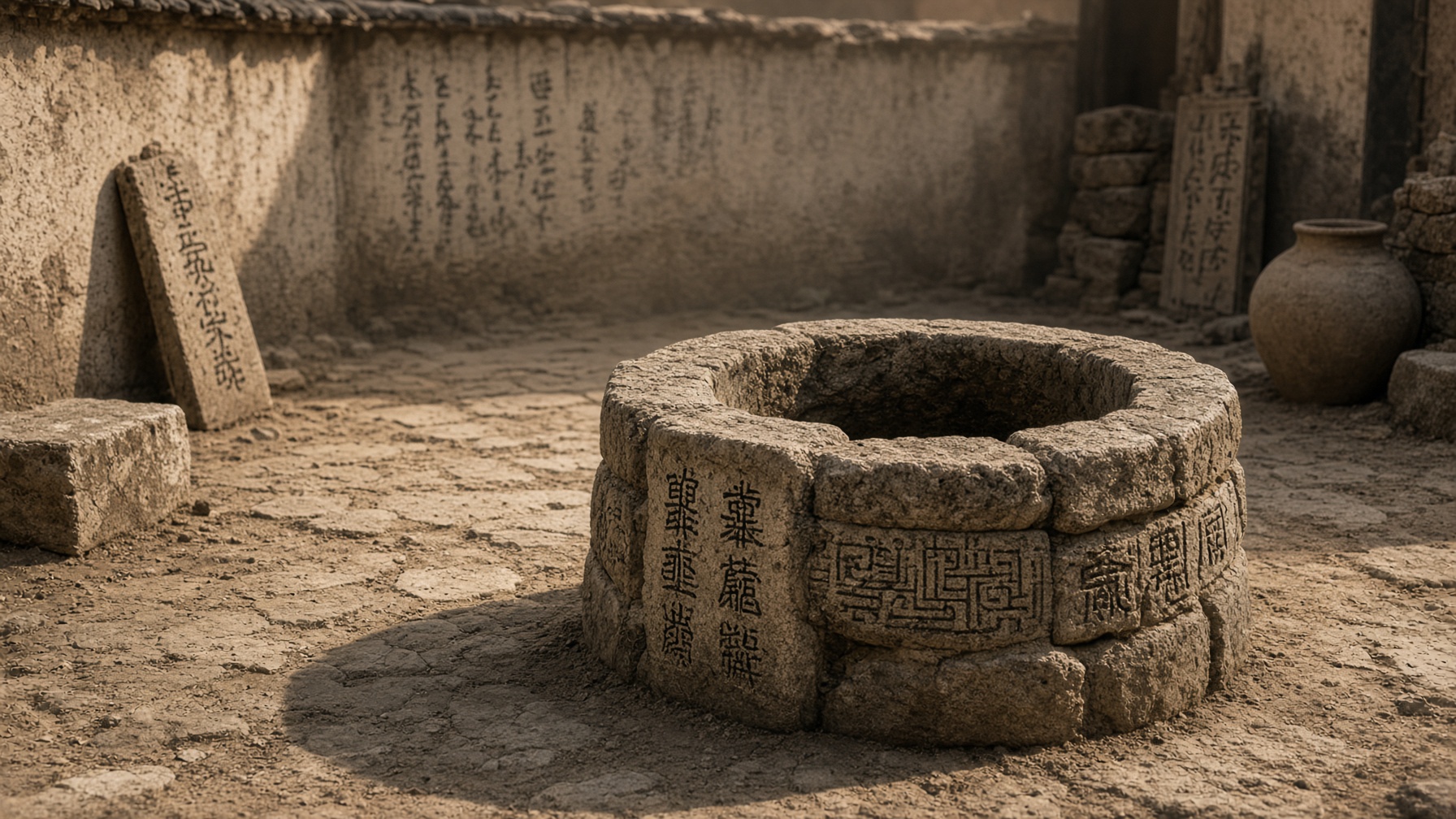
The Child and the Well
A Warring States teacher says that anyone, seeing a child about to fall into a well, would feel alarm. That feeling, he claims, is a sprout of the heart-mind.
The courts and dialogues of the *Mencius* · c. 4th century BCE
Ordinary Life
A Sámi wolf-hunter dictates, to a Danish artist, the first book a Sámi writes about Sámi life. The weather in it is not a capital’s weather.
A Book in the Snow
Guovdageaidnu / Kautokeino, and the pages written in a turf hut · 1910

Art & Literature
A Letter the King Might See
An Andean noble writes and draws a thousand-page letter to a Spanish king: a world, a conquest, a way of seeing that will not arrive in Madrid.
The Andes, on the manuscript now in Copenhagen · c. 1615
Philosophy
A Person Through Persons
A Nguni proverb says a person is a person through other persons. Twentieth-century writers make a philosophy of it. The proverb is older than the seminars.
Southern Africa, on the tongue and then on the page · proverb; 1990s writing

Ordinary Life
A Place Set for the Living Who Were
Marigold, water, salt, bread, a photograph. A night in Mexico when the dead are fed. Memory here is a table, not a test.
Mexico, in homes and cemeteries · 1–2 November, as practiced