
Science · Perception · 1979
The Door Handle
A psychologist says the world is not a picture in the head. It is a set of offerings: surfaces that can be walked, grasped, sat.
- Cornell, on the page
- Late twentieth-century ecological psychology

Plate · Generated interpretation
The handle is already a possible act. Do you see it as a thing first?
Listen · Eve
0:00 / —:—
A wooden handle, a door, a meadow beyond. James J. Gibson, at Cornell, finishing The Ecological Approach to Visual Perception (1979), does not want the handle to be a picture first and an action second. The handle, for an animal that can grasp, already offers grasping. The ground offers walking. A surface of water, for a creature that does not float as we do, does not offer the same sitting. Affordances, he writes, are what the environment offers the animal, what it provides or furnishes, either for good or ill. They are relations, not glows painted on objects.
Gibson had been arguing for decades against a mind that first builds an inner snapshot and then decides. The 1966 book The Senses Considered as Perceptual Systems already moves in this direction. The 1979 book is the full ecological claim: perception is of a layout of possible acts, in a world that is already structured for an animal of this size, these limbs, this need. The sitting-room as default, with pictures hung inside the skull, is the view he is writing against.
The Ecological Approach to Visual Perception. Boston: Houghton Mifflin, 1979. “The Theory of Affordances” is chapter 8. The word appears earlier, in 1966. Don Norman’s later design use of “affordance” is a different career of the term, more about perceived usability. Mark the difference.
The affordances of the environment are what it offers the animal, what it provides or furnishes, either for good or ill.
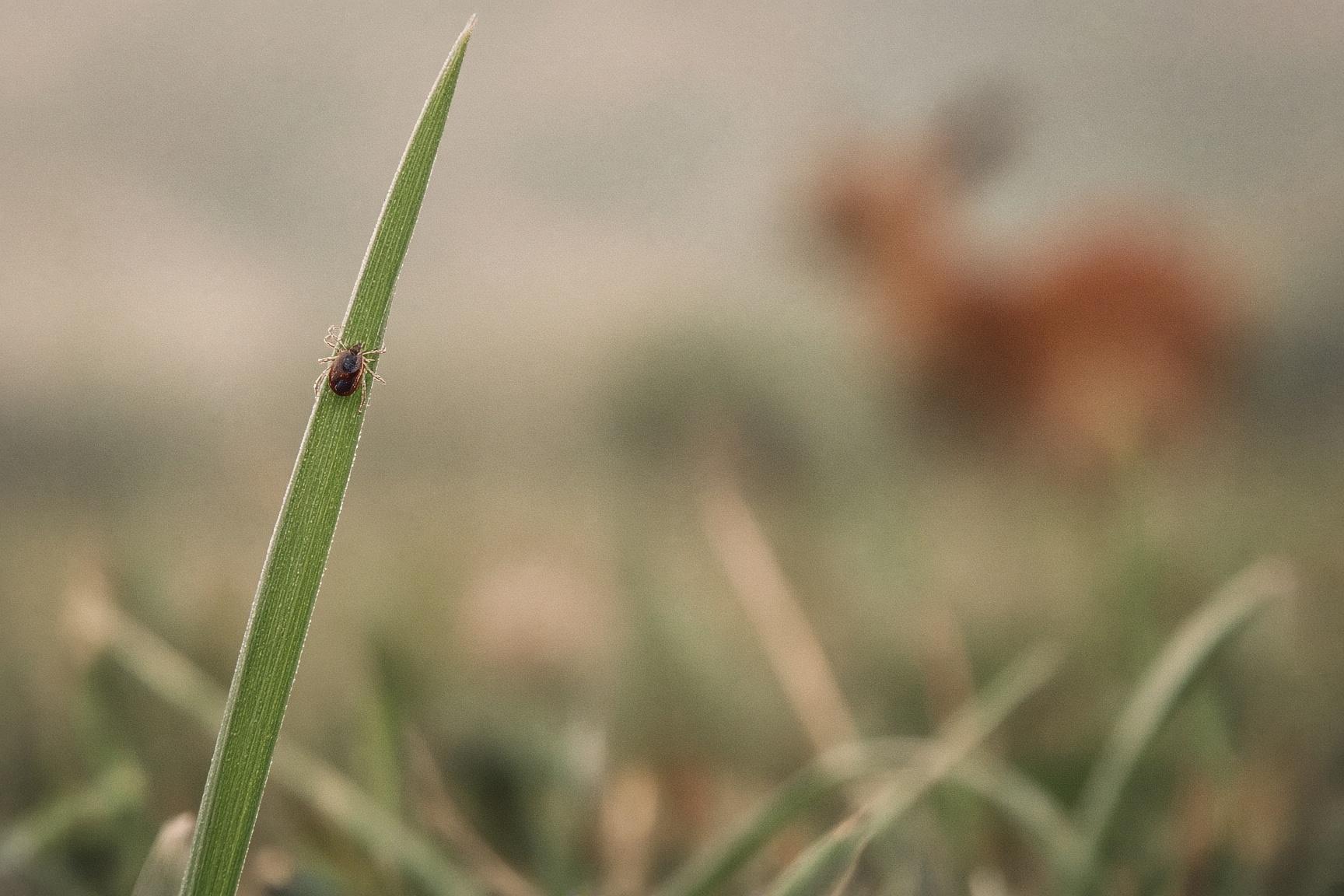
The tick, in Uexküll, lives by a few signals in a bubble of meaning. Gibson’s animal lives in a world of possible acts. Both refuse the sitting-room as default. They do not share a vocabulary. Uexküll is a cousin, not a twin, and not Gibson’s source-text. Kimmerer’s living bay, later, will refuse a dead-noun world in another language. That is not Gibson either. The handle remains a handle.
Affordance is not a mystical glow on objects. It is a relation between animal and environment. Whether experience is in the relation, or still somehow in the animal, is a fight Gibson’s heirs keep having. The 1979 pages do not close it. They relocate the problem: out of an inner picture, onto a layout that can be walked, grasped, sat.
Whether experience is in the relation, or still somehow in the animal, is a fight Gibson’s heirs keep having.
Distant echoes
Echo
Weimar science · On the page, from Hamburg and the Baltic
The tick’s world
Uexküll’s world is a bubble of signs. Gibson’s is a layout of acts. Two ecologies.

Echo
Early twenty-first century · Great Lakes, on the page
The grammar of animacy
Kimmerer’s bay is a verb. Gibson’s handle is an act already on offer. Two refusals of furniture. Not one theory.
One question remains
Perception · What does sensing give us?
If the handle already offers the hand, where, if anywhere, does the seeing happen?