
Atlas · What can be shown
Science
Experiments, cases, and measurements that constrain (without closing) the question of experience.
Science
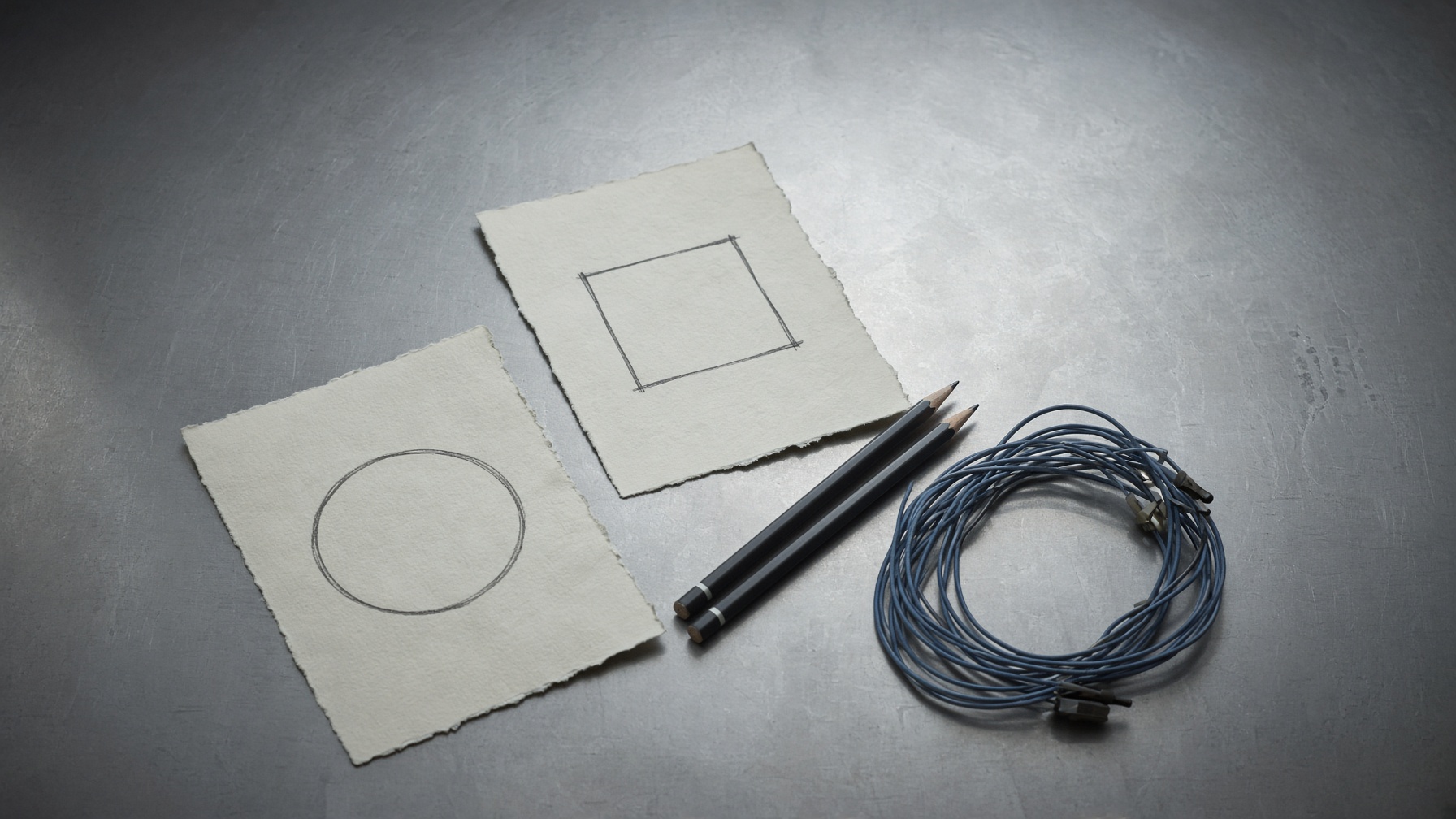
Two Reports, One Skull
A cut intended to stop seizures reveals that a person can contain more than one witness.
California laboratories · 1960s–1970s
Science
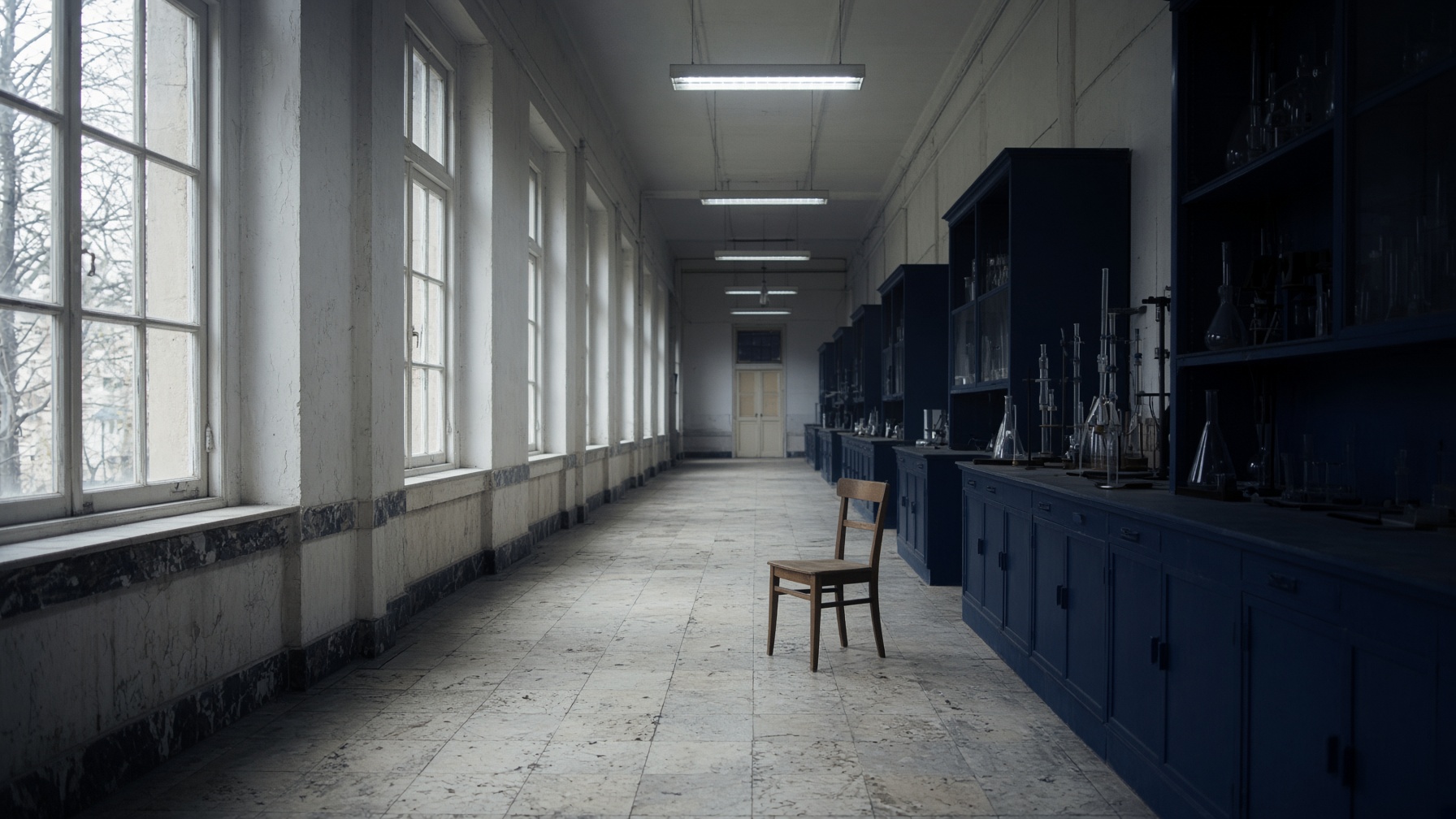
Seeing Without Seeing
A man says he is blind in part of the field, and still posts letters through a slot he claims not to see.
Britain, then many labs · 1974 onward
Animals
A creature touches a spot on its own body that it could only have seen in a mirror, and a debate about self begins.
The Mark on the Glass
Laboratories, then field and farm · 1970
Animals
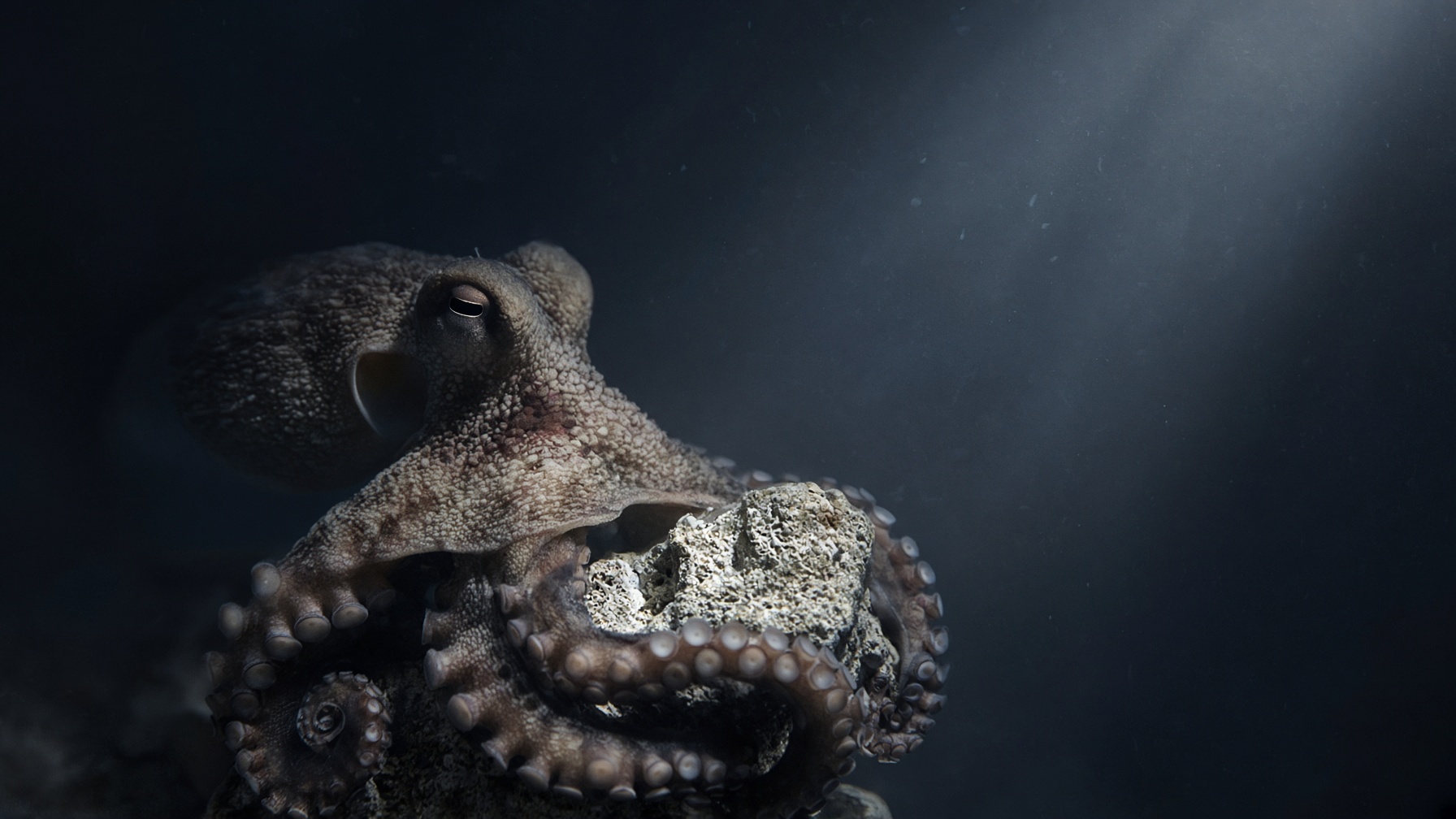
A Mind with Eight Arms
An animal without a backbone unscrews a jar from the inside, and the old maps of mind look provincial.
Oceans, and a few laboratories · 2010s, with older roots
Animals
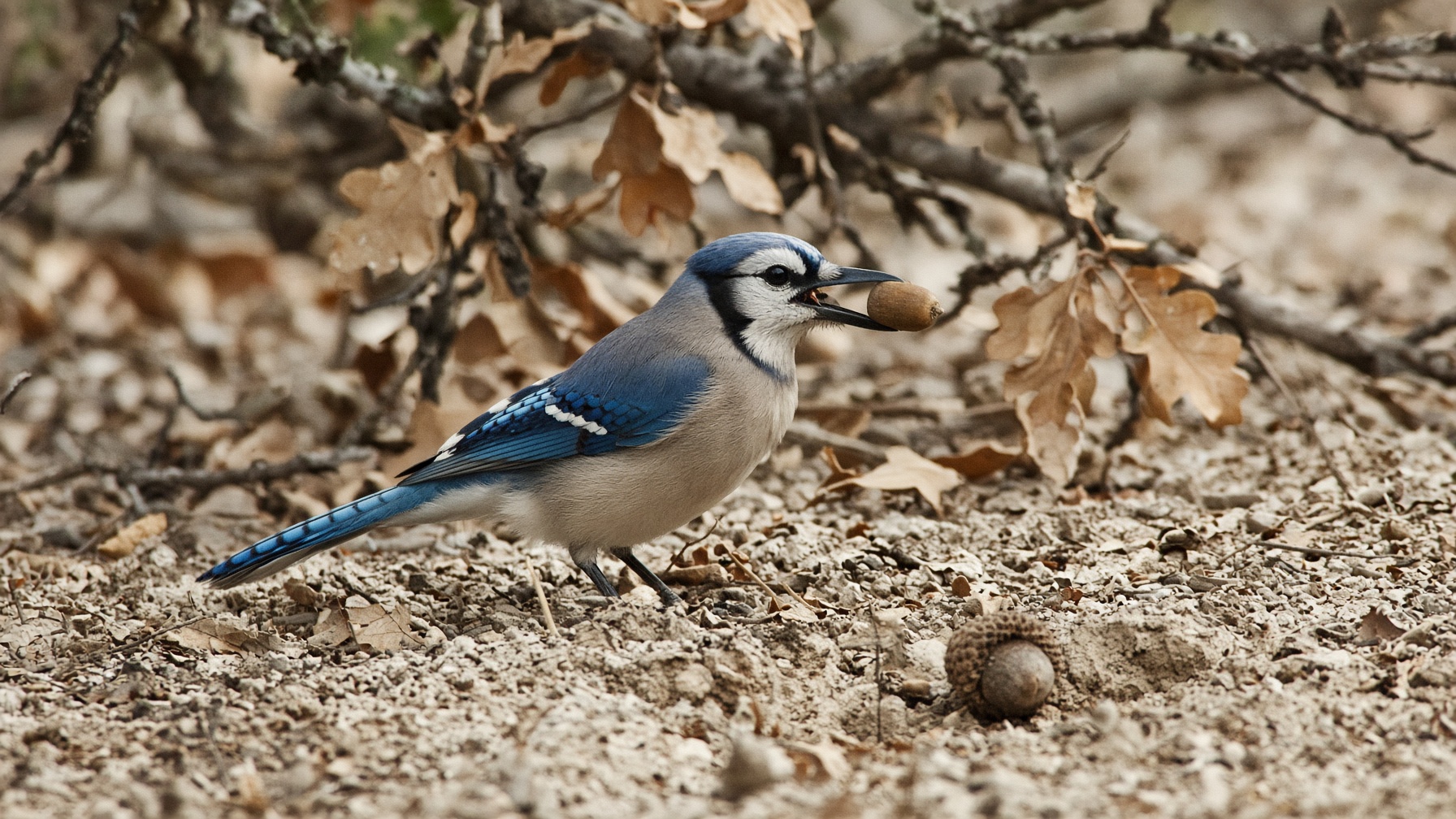
The Thief Who Remembers Being a Thief
A bird hides food, watches who is watching, and later recaches, as if it knows what another mind might do.
Western oak woodlands, and Cambridge aviaries · 1990s–2000s
Science
When the Lights Go Out
A person counts backward, the room continues, and later there is a hole in the life where the cutting was.
Operating theaters everywhere · 1846 to now
Philosophy
A psychologist refuses to cut the mind into pieces that would make a textbook tidy, and names the flow instead.
The Stream of Thought
Cambridge, Massachusetts · 1890
Philosophy
The Door with a Seam of Color
A scientist who knows everything about color has never seen it. Then the door opens.
A gray room that does not exist · 1982
AI & Machines
The Imitation Game
A mathematician, tired of the question “can machines think?”, replaces it with a game that can be played.
Manchester, on the page of Mind · 1950
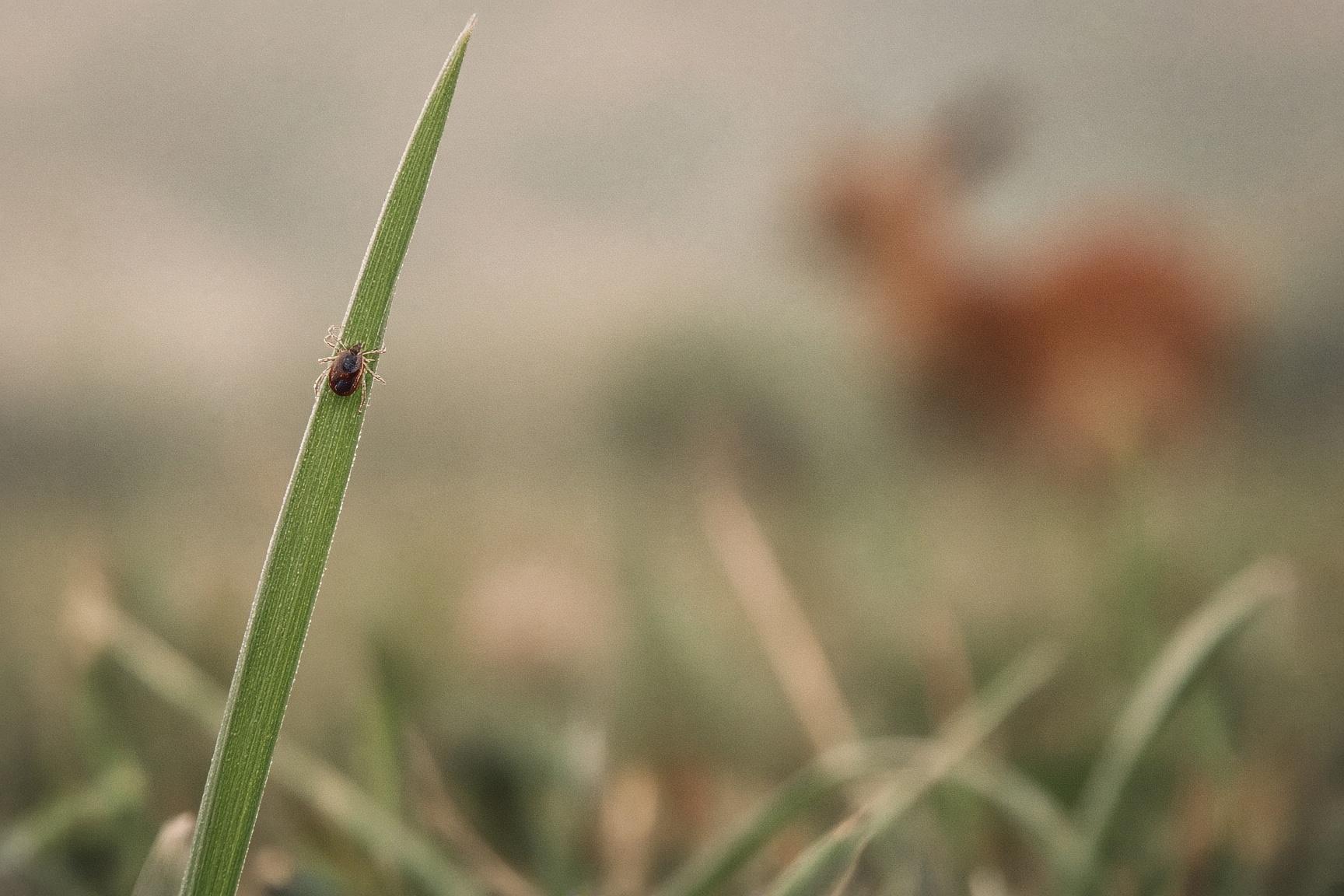
Animals
The Tick’s World
A Baltic-German biologist asks you to leave the human living-room and enter the few signs that make a tick’s entire universe.
On the page, from Hamburg and the Baltic · 1934
Philosophy
A philosopher chooses a bat, not as a mascot, but as a limit: a mind we can study and still not occupy.
What It Is Like
Princeton, on the page of *The Philosophical Review* · 1974
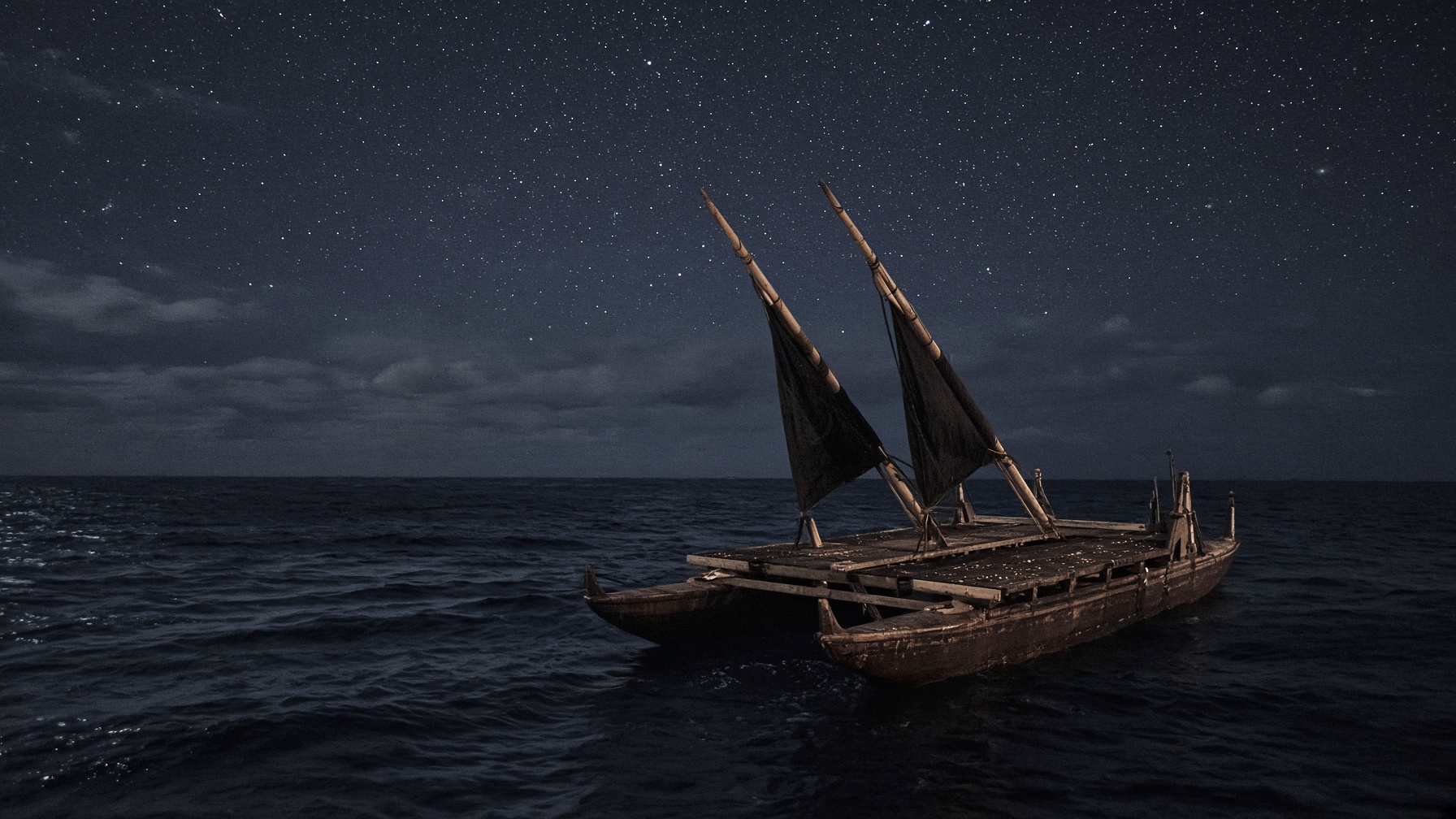
Ordinary Life
Star of Gladness
A canoe leaves Maui with no compass. The navigator who keeps it located learned the method on another island, in another language.
Honolua Bay, Maui, then the ocean toward Tahiti · 1976
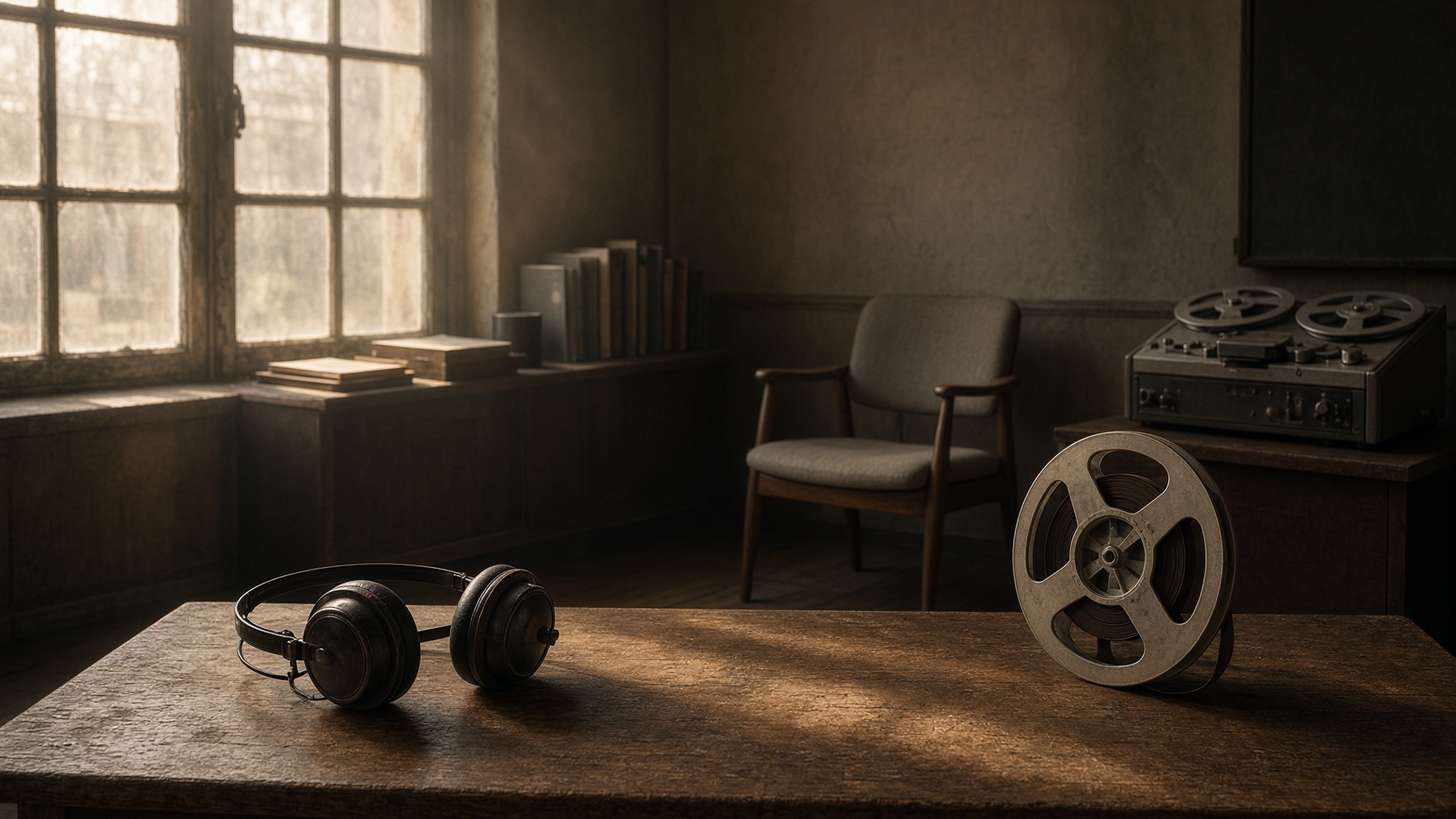
Science
Two Ears, One Name
A listener is asked to repeat one voice while another voice speaks into the other ear. Most of the ignored speech is lost. A name sometimes is not.
Imperial College, London · 1953
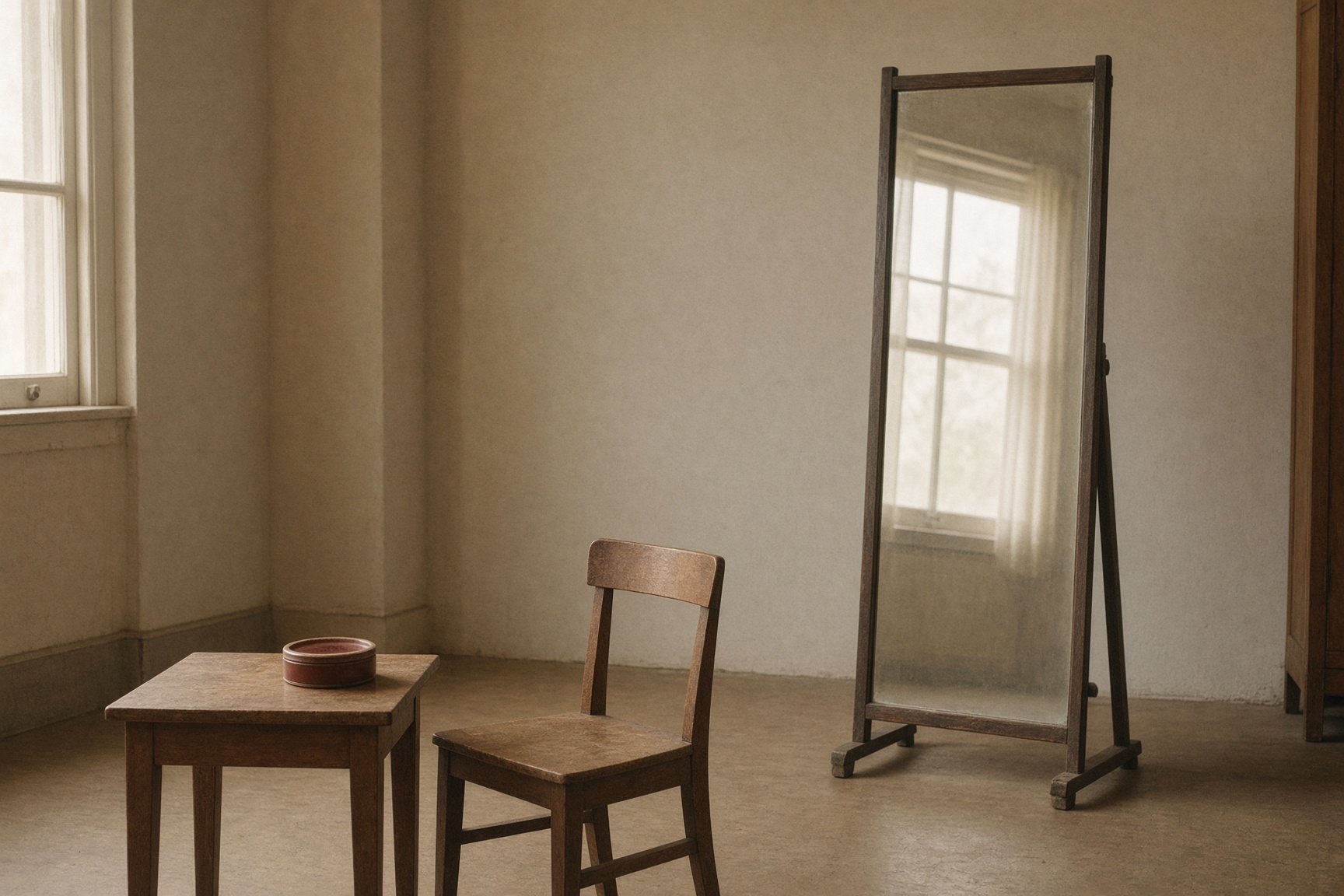
Science
Before the Mark Is a Face
Eighty-eight children are placed before a mirror. Recognition, if that is the word, arrives late, and not as a theory of self.
Infant observation, reported from the University of North Carolina, 1972 · 1972
Science
A histologist in Barcelona draws what the silver stain shows: endings. The rival theory wanted a net.
The Line That Would Not Join
Barcelona, then Madrid · 1888
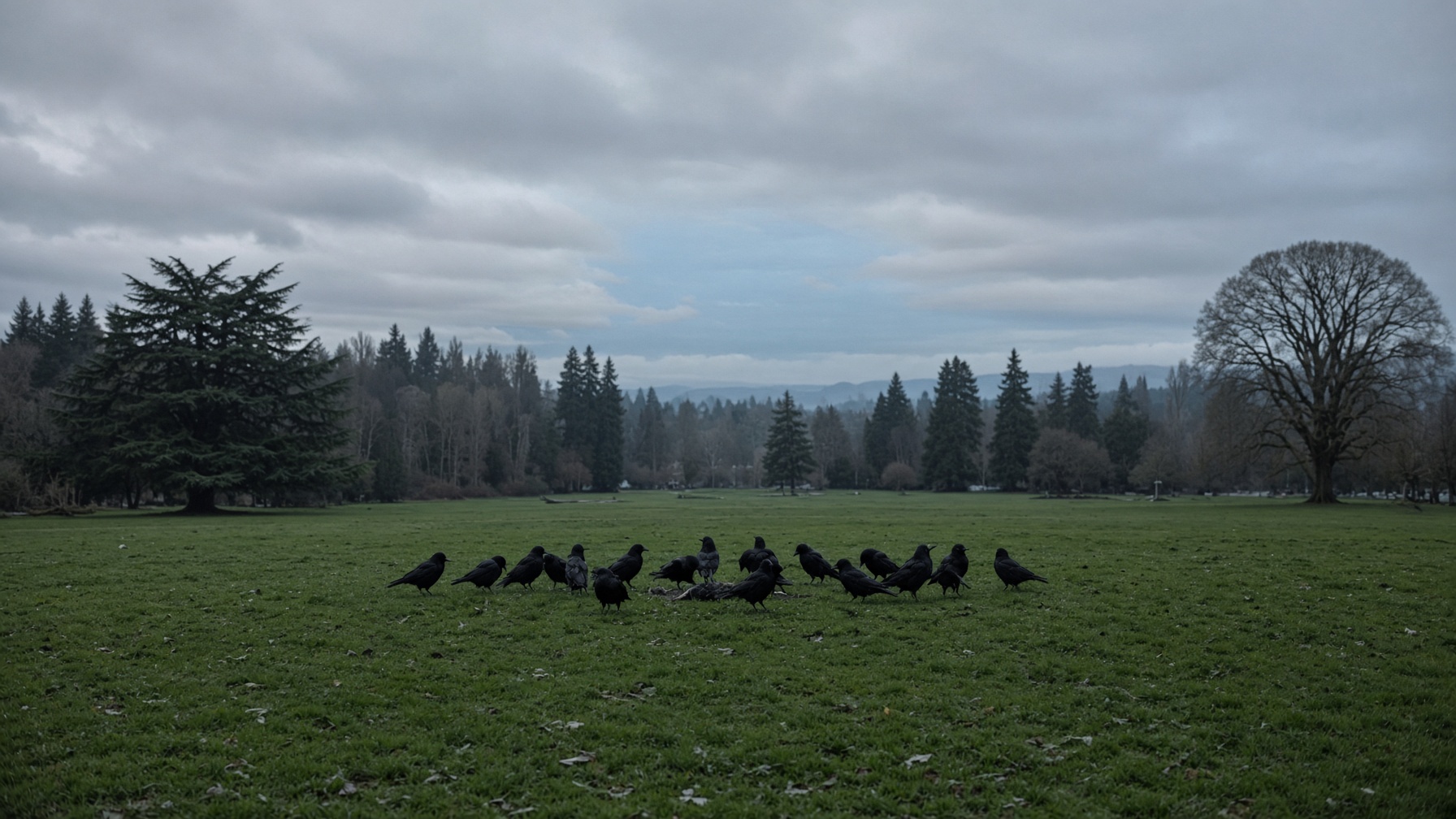
Animals
They Gather to Learn
American crows come to a dead crow. The paper’s title is danger, not a funeral. The gathering is still a fact.
Seattle, and sites around it · 2015
Philosophy
The Hard Part
In a Tucson hotel a philosopher tells a room of scientists that the functions are the easy work. Experience is what remains.
Tucson, Arizona · 1994 / 1995
Science
The Gorilla in the Pass
Observers count basketball passes and miss a person in a gorilla suit. Attention is not a lamp on the whole room.
Harvard, of the 1999 report · 1999
Science
A physiologist argues that seeing is already a kind of reasoning we do not feel ourselves do.
Unconscious Conclusions
Heidelberg, then Berlin, on the page · 1867
Animals
Same and Different
An African grey parrot, in a long experiment, uses English words for color, number, and the category of a match. The words are data. They are not a confession.
Chicago, then Purdue, Northwestern, Arizona, MIT, Brandeis, Harvard · 1977–2007
Science
The Door Handle
A psychologist says the world is not a picture in the head. It is a set of offerings: surfaces that can be walked, grasped, sat.
Cornell, on the page · 1979
Ordinary Life
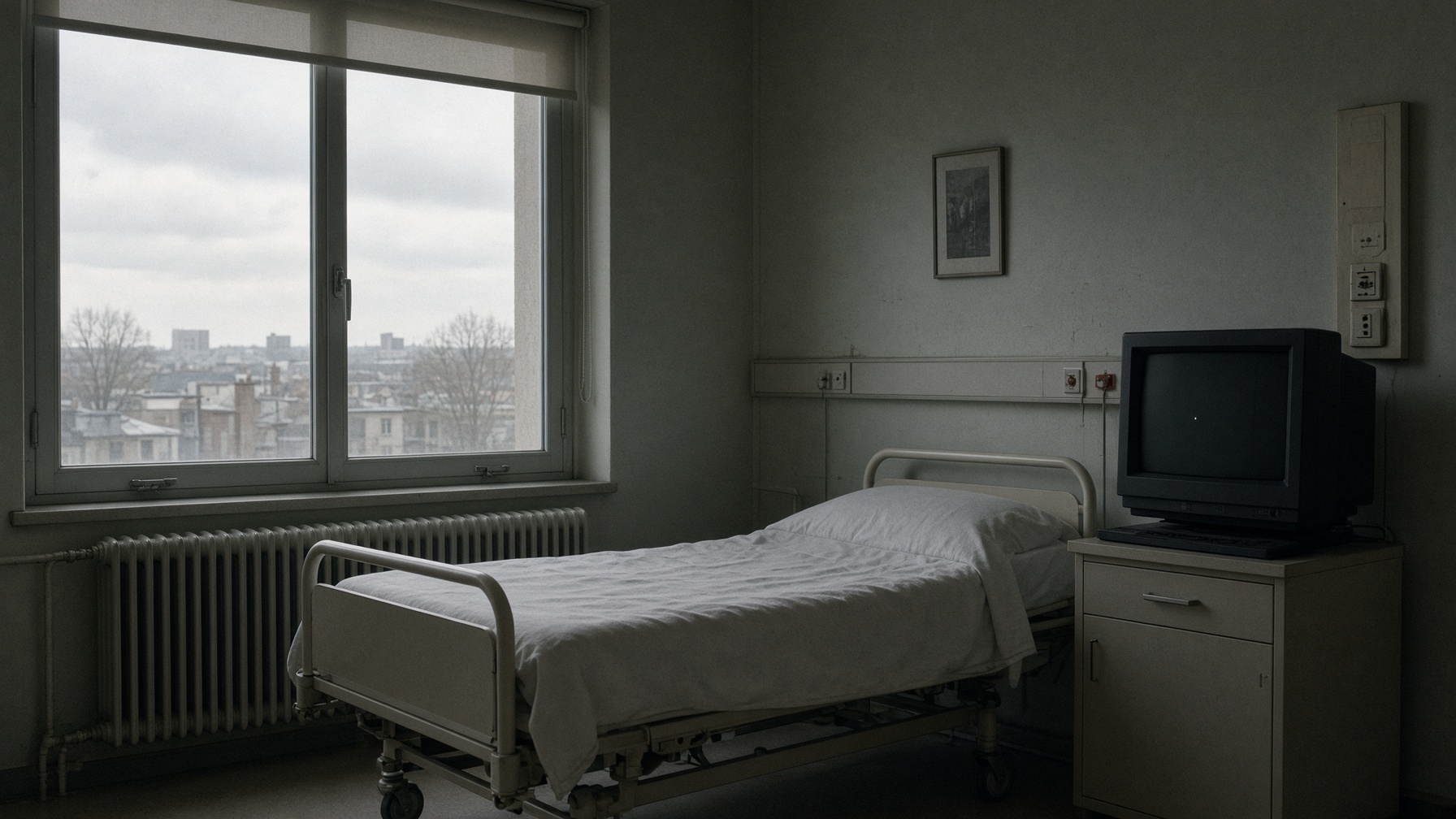
A Blink for a Letter
After a stroke, a man can move only his left eyelid. He dictates a book that way. The mind on the page is not the body the ward can see.
Berck-sur-Mer, Hôpital Maritime · 1997
Science
A sea slug learns to flinch less, then more. A laboratory traces the change to particular cells. Memory, here, is a bodily habit with a diagram.
A Gill, a Memory
Columbia University, of the work · 1960s–2000
Ordinary Life
The Grammar of Animacy
A botanist and enrolled member of the Citizen Potawatomi Nation writes that some languages already know how to say a living world. Attention, here, is a practice of address.
Great Lakes, on the page · 2013
Science
A Map Drawn on a Waking Man
In Montreal an awake patient names what a current in the cortex is doing to a hand, a sound, a memory.
Montreal Neurological Institute · 1930s–1958
Science
Where Maxi Will Look
A child is asked where another child will look for a chocolate that has been moved. The wrong cupboard is the beginning of a science of other minds.
Salzburg · 1983
Science
A Civil War physician finds that men who have lost an arm still itch in a hand that is not there. He has to invent a word, and then a fiction, to be believed.
The Conviction of Its Existence
Turner’s Lane Hospital, Philadelphia · 1864–1872
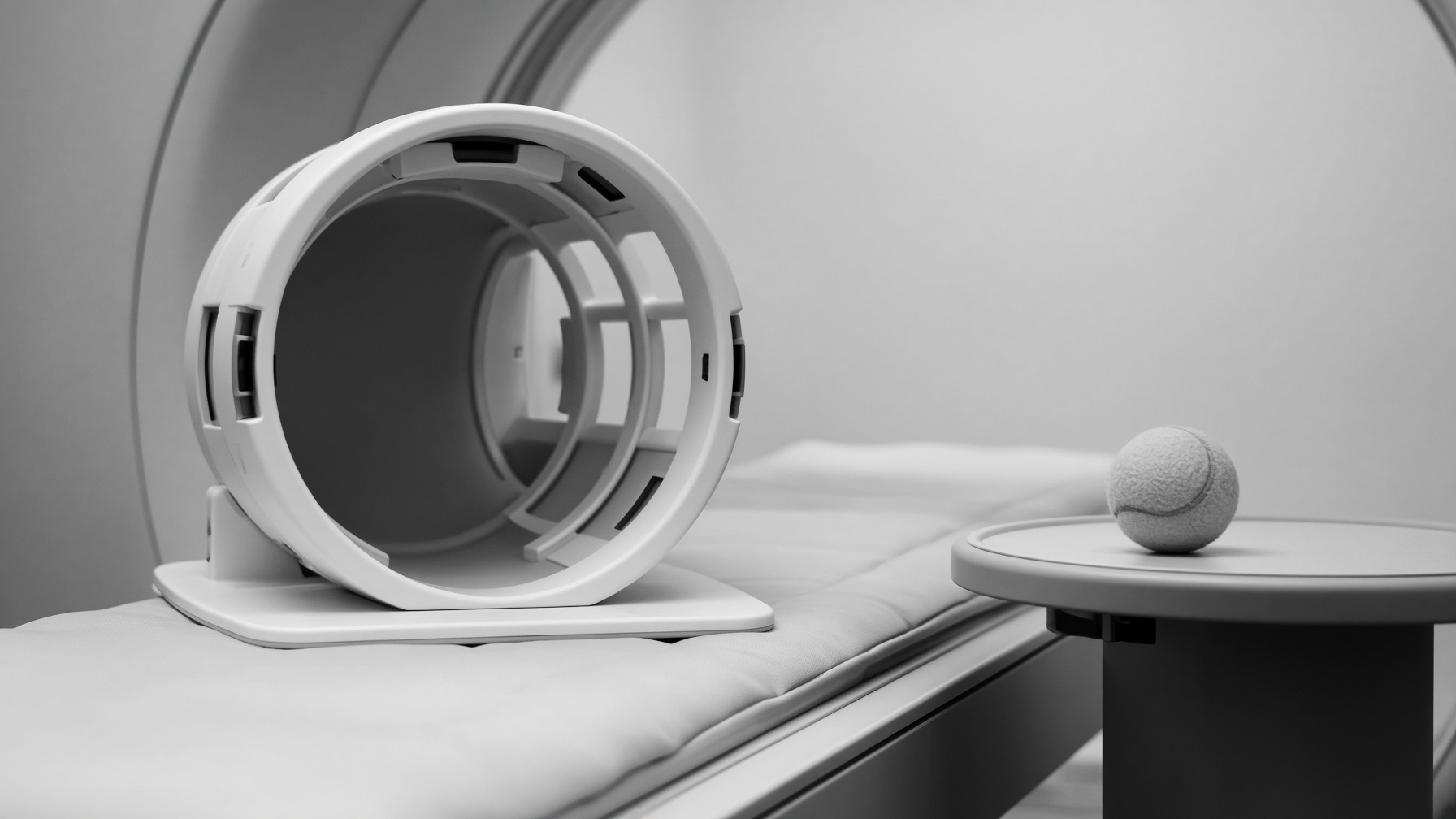
Science
Imagine Playing Tennis
A young woman diagnosed as vegetative is asked, inside a scanner, to imagine a game. The brain answers as a healthy volunteer’s brain answers.
Cambridge · 2006
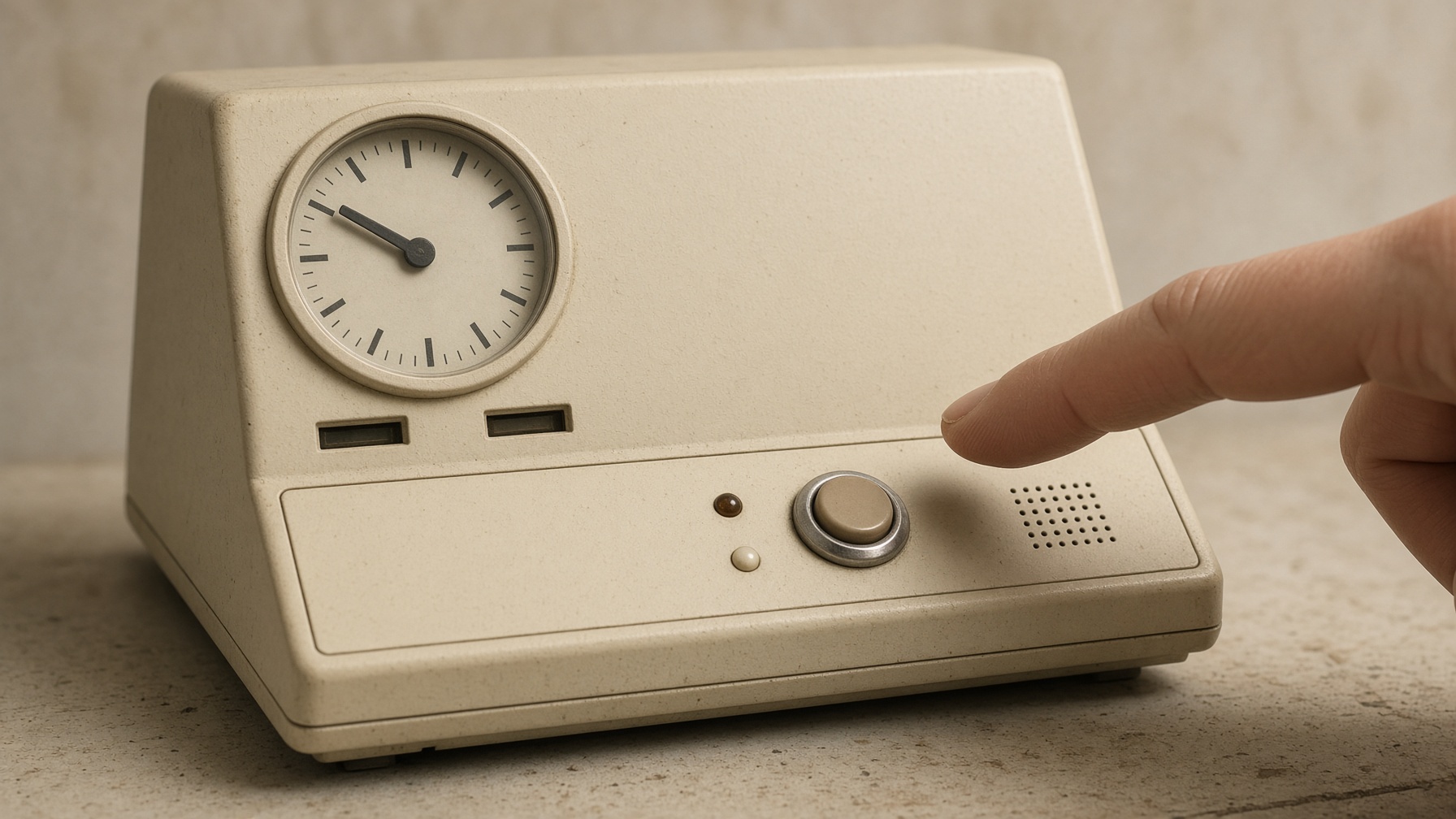
Science
The Half-Second Before
A clock, a flex of the wrist, a scalp potential that seems to rise before the reported wish to move. The finding is famous. It is also contested.
University of California, San Francisco · 1983
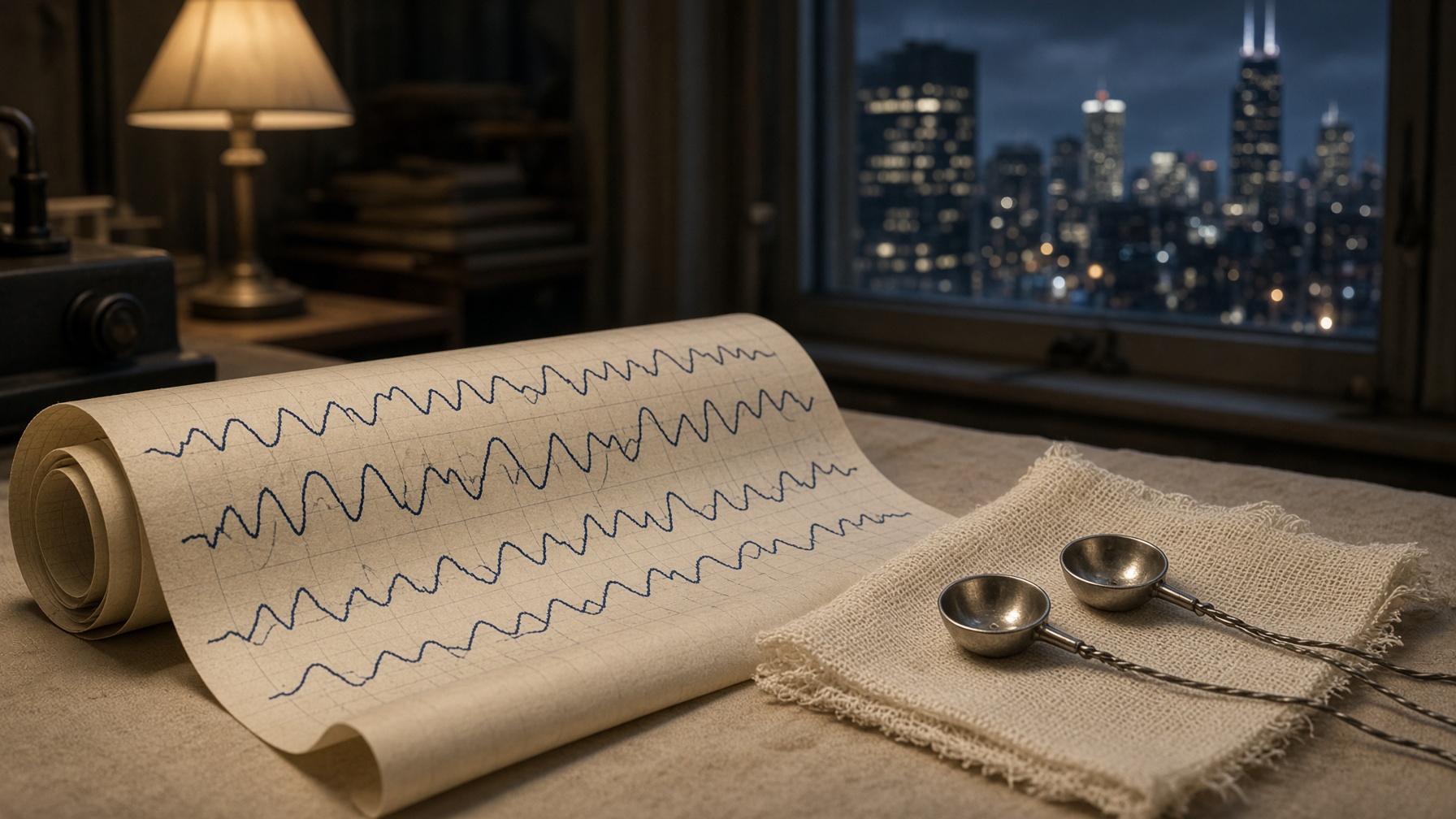
Science
The Eyes, Still Sleeping
A graduate student in Chicago watches a sleeping child’s eyes jerk beneath closed lids, and sleep stops being a single blank.
University of Chicago · 1953
Animals
A bee, back from a dish of sugar, turns a figure on the comb. Distance and direction, Karl von Frisch claims, are in the dance.
A Map Danced on Wax
Brünn, then Munich · 1920s–1946
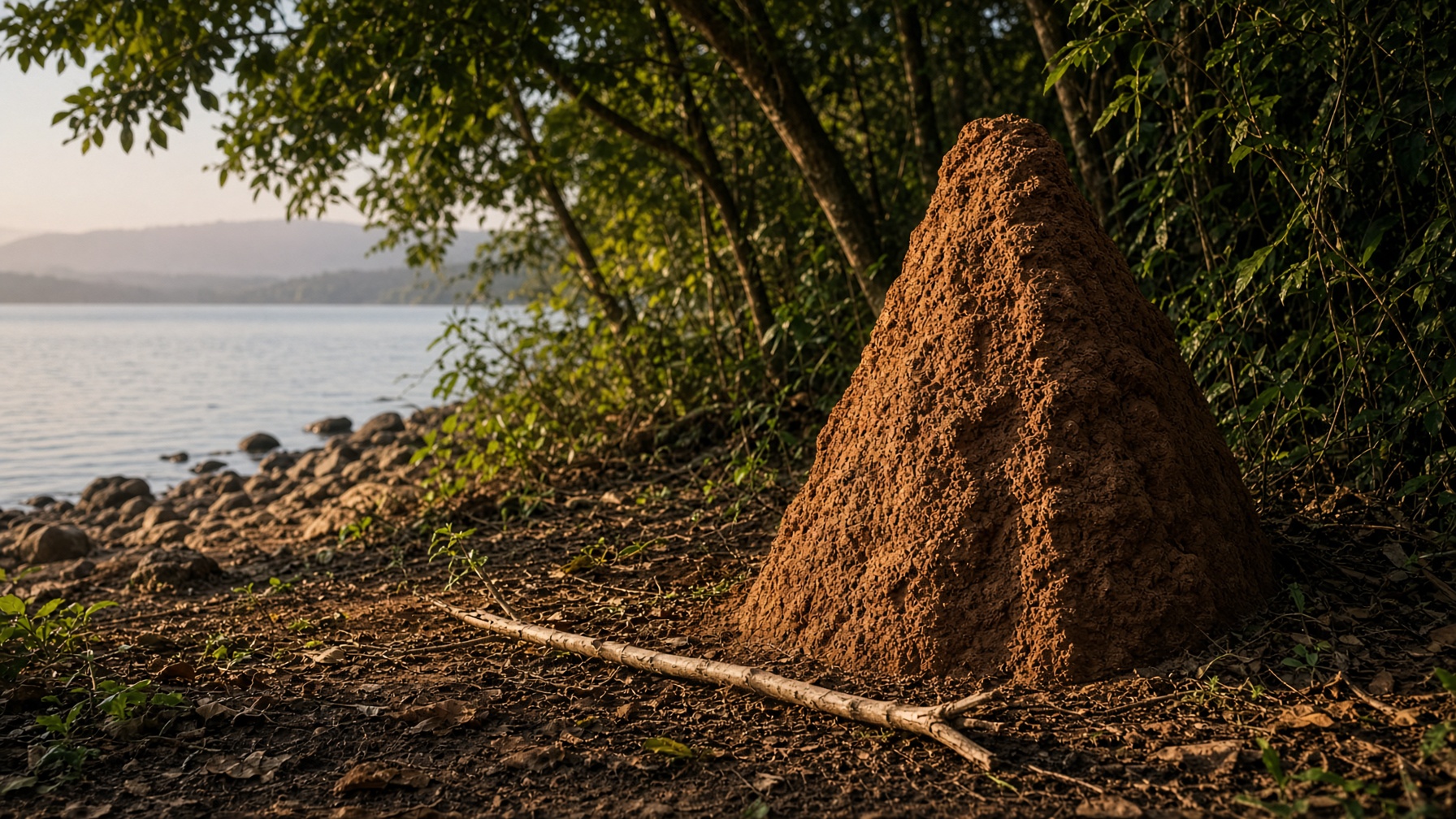
Animals
A Twig, Stripped
On a Tanzanian lakeshore a young Englishwoman watches a chimpanzee fish for termites with a tool. The watching will take decades. The inner life of the chimpanzee is not in the first notebook.
Gombe Stream, Tanzania · 1960
Language / Etymology
A Language with No Parents
Deaf children in Managua, brought together in new schools, make a language that none of their teachers signed. Grammar appears in a generation.
Managua · 1977–1986
Science
The Work of Rest
A brain at rest, eyes closed, is not a blank. A network that quiets when a task begins is named a default.
Washington University, St. Louis · 2001
Science
A Chilean biologist, with a philosopher and a psychologist, argues that mind is not a picture in a head. It is an enactment in a body that is already a world.
A Loop That Is Lived
Santiago, Paris, and the page of *The Embodied Mind* · 1991
Science
A Memory That Would Not Thin
In Moscow a psychologist follows a man who cannot forget a list. The gift is also a clogging. Ordinary forgetting, it turns out, is a kind of mercy.
Moscow · 1920s–1968
Science
Asleep, and Knowing It
A sleeper in a Stanford laboratory moves his eyes in an agreed pattern. The movement is the proof that he knows he is dreaming.
Stanford University · 1981