
Science · Mind & body · 1864–1872
The Conviction of Its Existence
A Civil War physician finds that men who have lost an arm still itch in a hand that is not there. He has to invent a word, and then a fiction, to be believed.
- Turner’s Lane Hospital, Philadelphia
- American Civil War and after
- 39.96°N 75.16°W
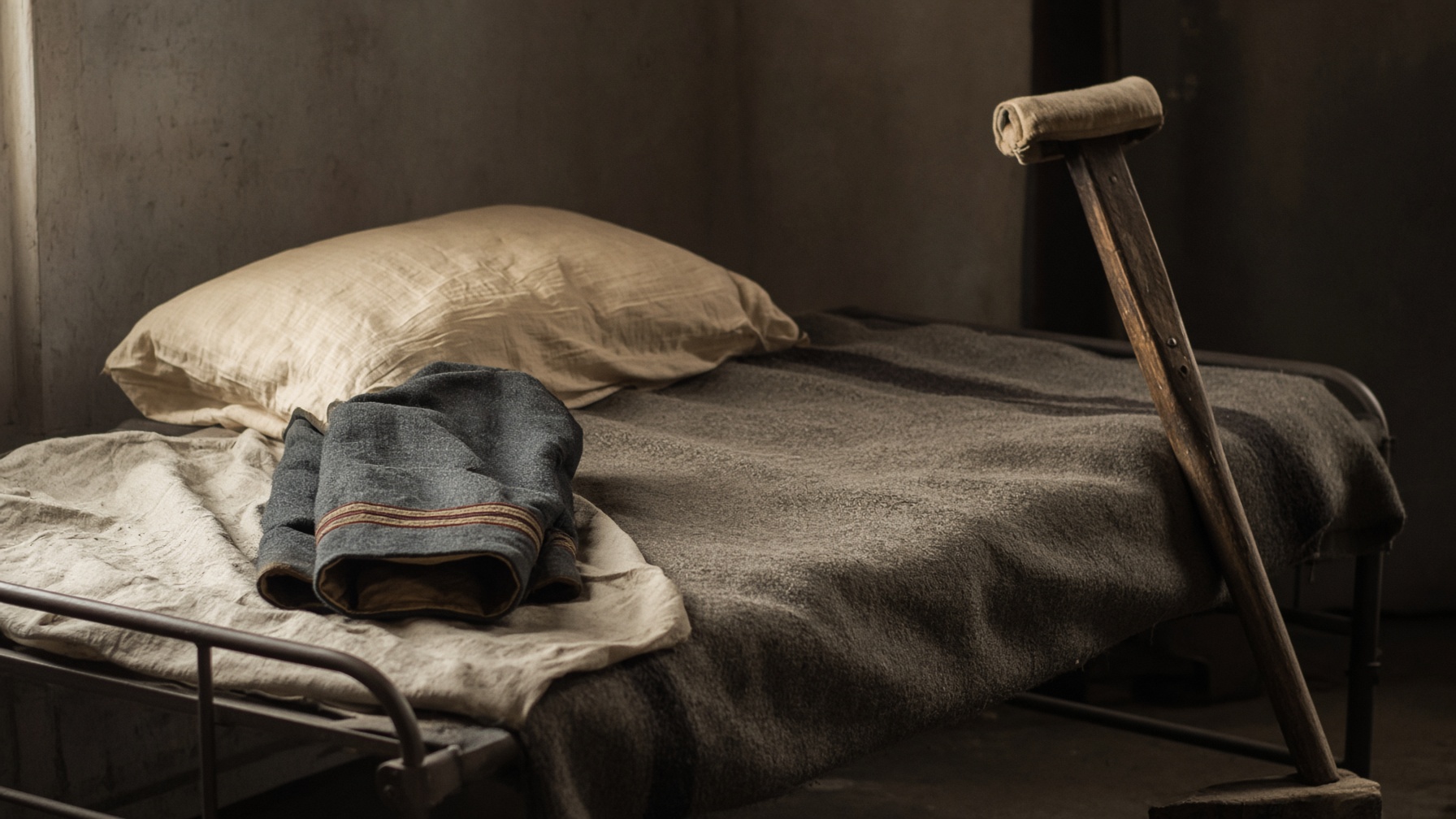
Plate · Generated interpretation
The sleeve is empty. What do you do with the itch that has no skin?
Listen · Eve
0:00 / —:—
S. Weir Mitchell, Turner’s Lane, Philadelphia. Gunshot Wounds and Other Injuries of Nerves (1864) with Morehouse and Keen. The anonymous story “The Case of George Dedlow,” Atlantic Monthly (1866). Then Injuries of Nerves and Their Consequences (1872), where phantom limb is clinical speech.
Mitchell, Injuries of Nerves and Their Consequences. Philadelphia: J. B. Lippincott, 1872. He writes that the great mass of men who had undergone amputations felt “the unusual consciousness that they still had the lost limb.”
The limb is gone. The itch is not. A later neuroscience will talk of cortical maps and of the rubber-hand illusion. Mitchell had testimony, not a scan. Dedlow was fiction used as a door because the clinic was hard to hear.
A phantom is not a ghost in the spiritualist sense, though the century mixed those rooms. It is a body that outlasts its flesh. That is evidence about representation. It is not yet a theory of the soul.
If a hand can hurt without being there, what, exactly, is the there of a body?
Distant echoes
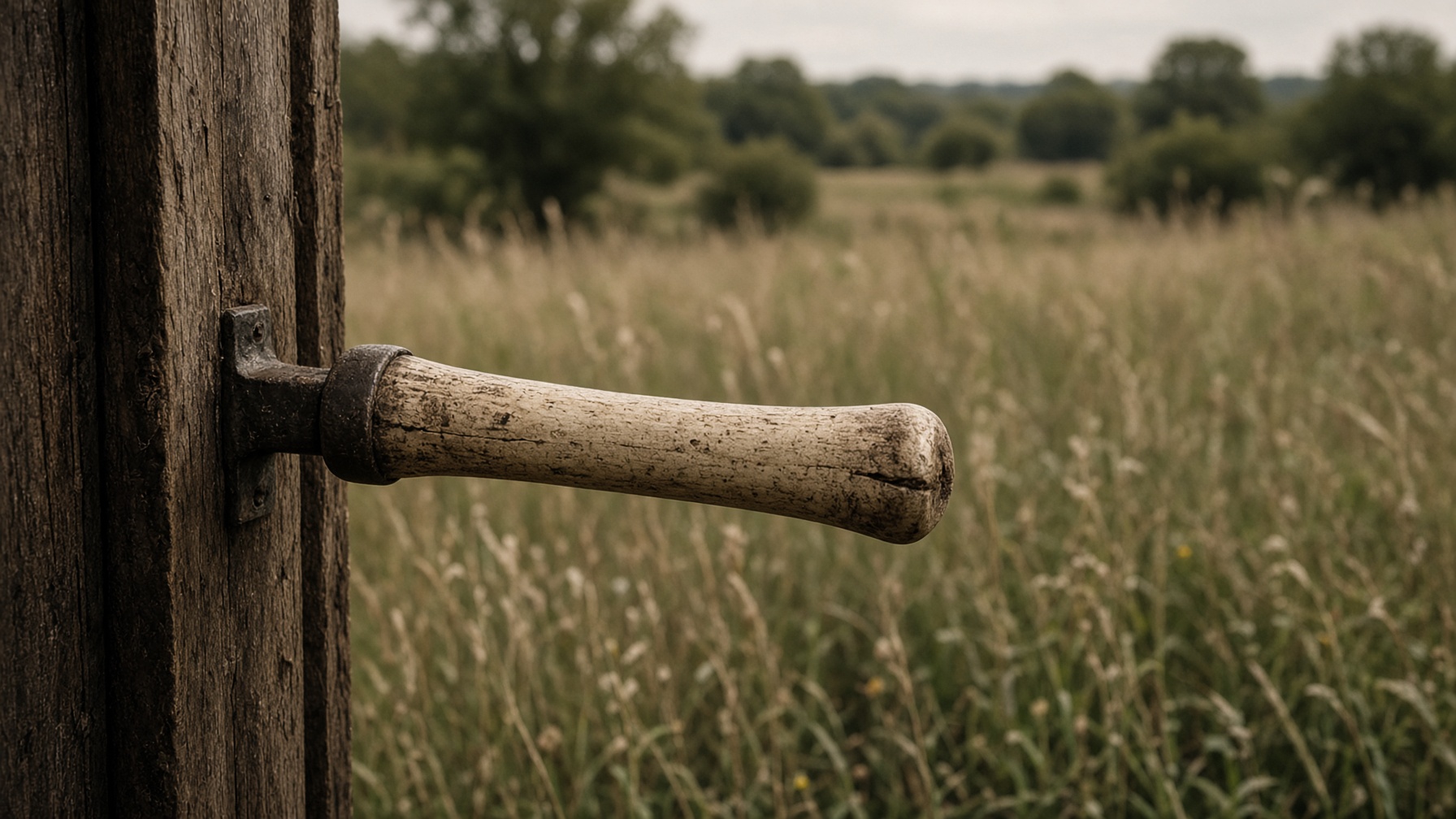
Echo
Late twentieth-century ecological psychology · Cornell, on the page
A handle already an act
Gibson’s affordance is a possible world of the body. Mitchell’s phantom is a world that will not leave.
One question remains
Mind & body · How does experience live in matter?
If the missing hand still itches, is the body a volume of tissue, a habit of feeling, or a conviction that can survive both?