
Atlas · The inner house
Psyche
Psychology, cases, and the languages invented for self, symptom, and soul.
Sacred Traditions
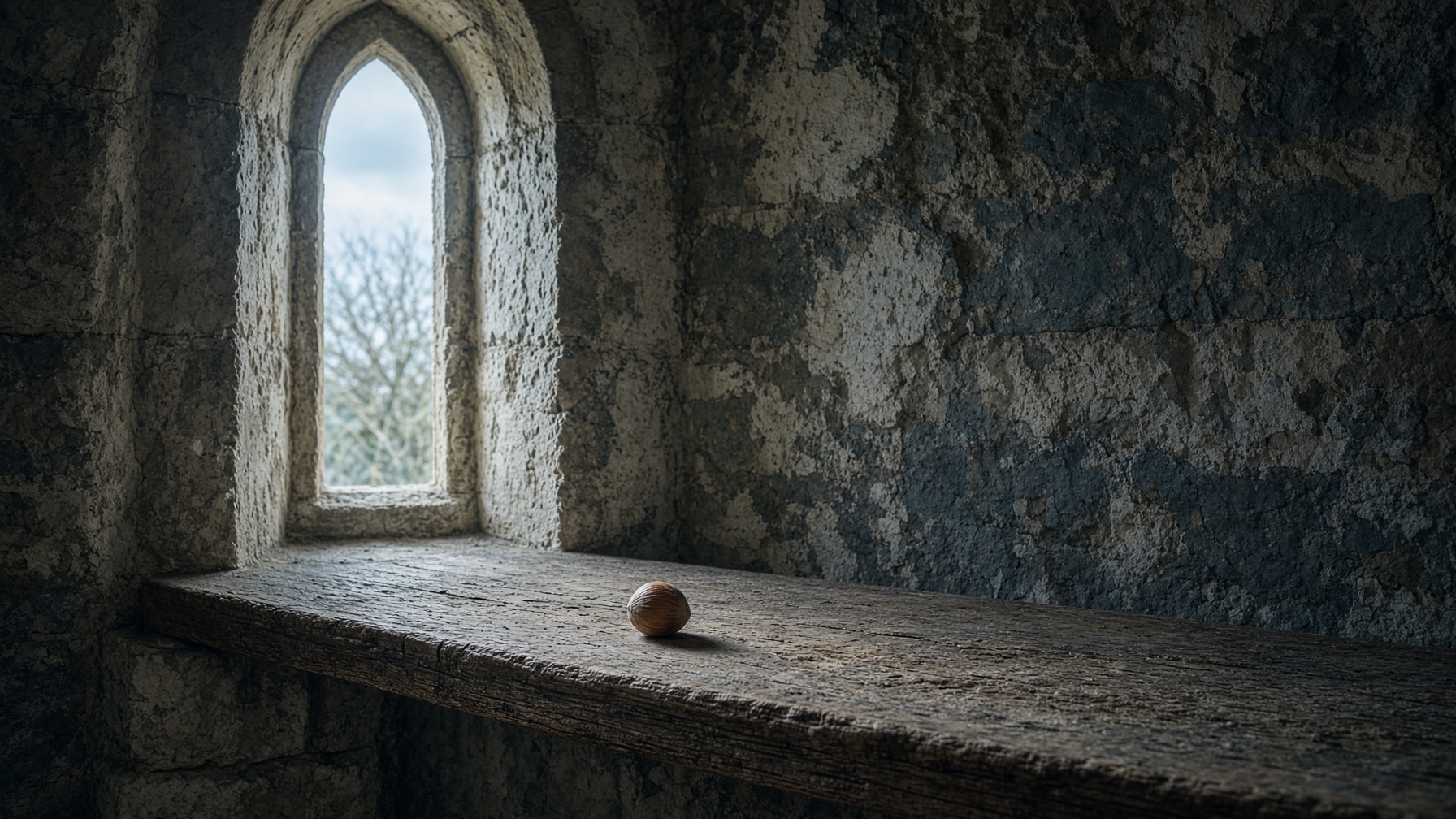
A Little Thing, the Size of a Hazelnut
A woman in a sickbed is shown the world in her palm, and it does not fall.
Norwich · May 1373
Sacred Traditions
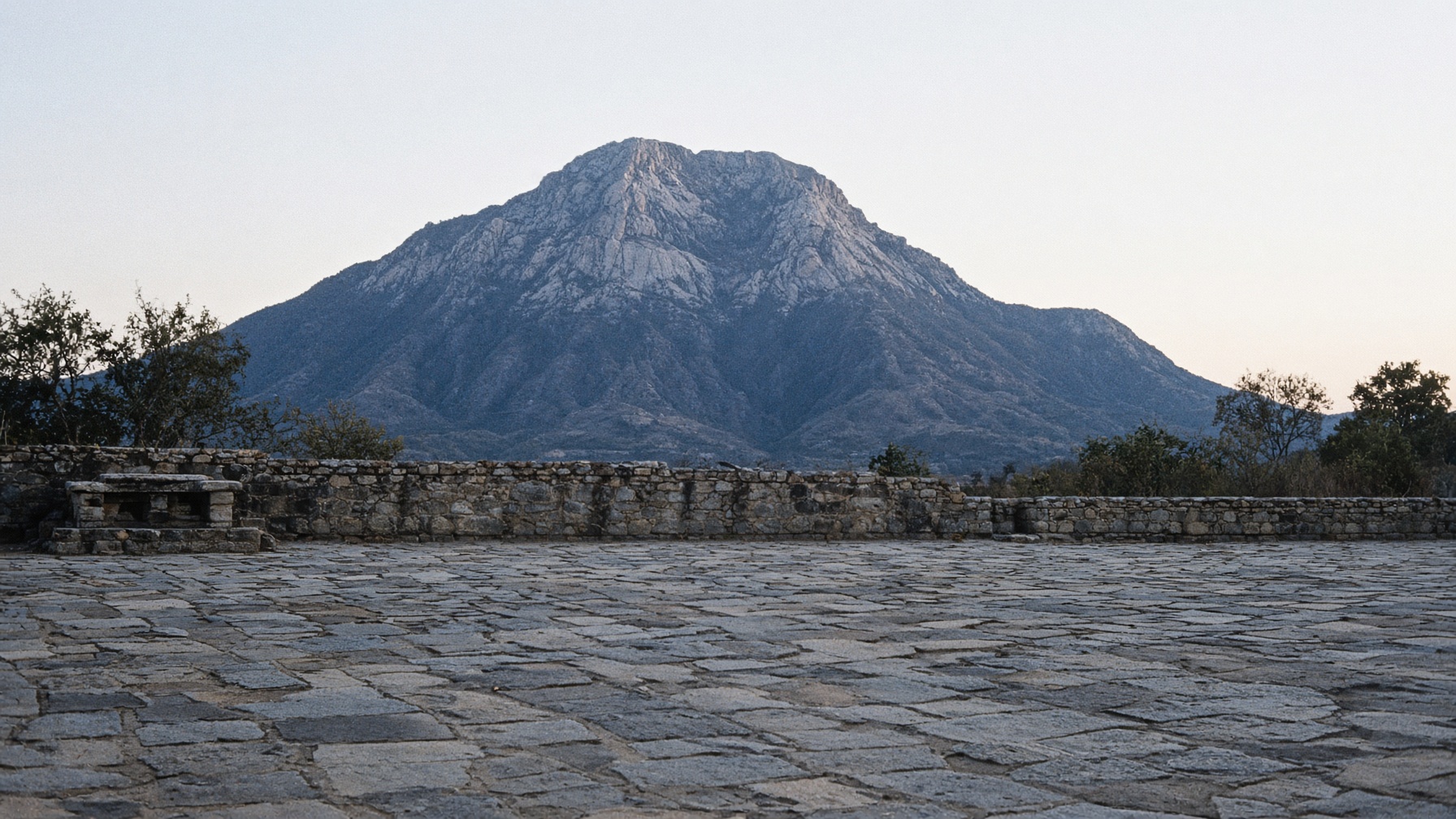
Who Is Asking?
A sixteen-year-old lies down as if dead, and a question becomes a life.
Madurai, then Arunachala · 1896
Philosophy
A bishop walks the inner rooms of his own mind and cannot find their floor.
The Palaces of Memory
Hippo Regius · c. 397–400
Sacred Traditions
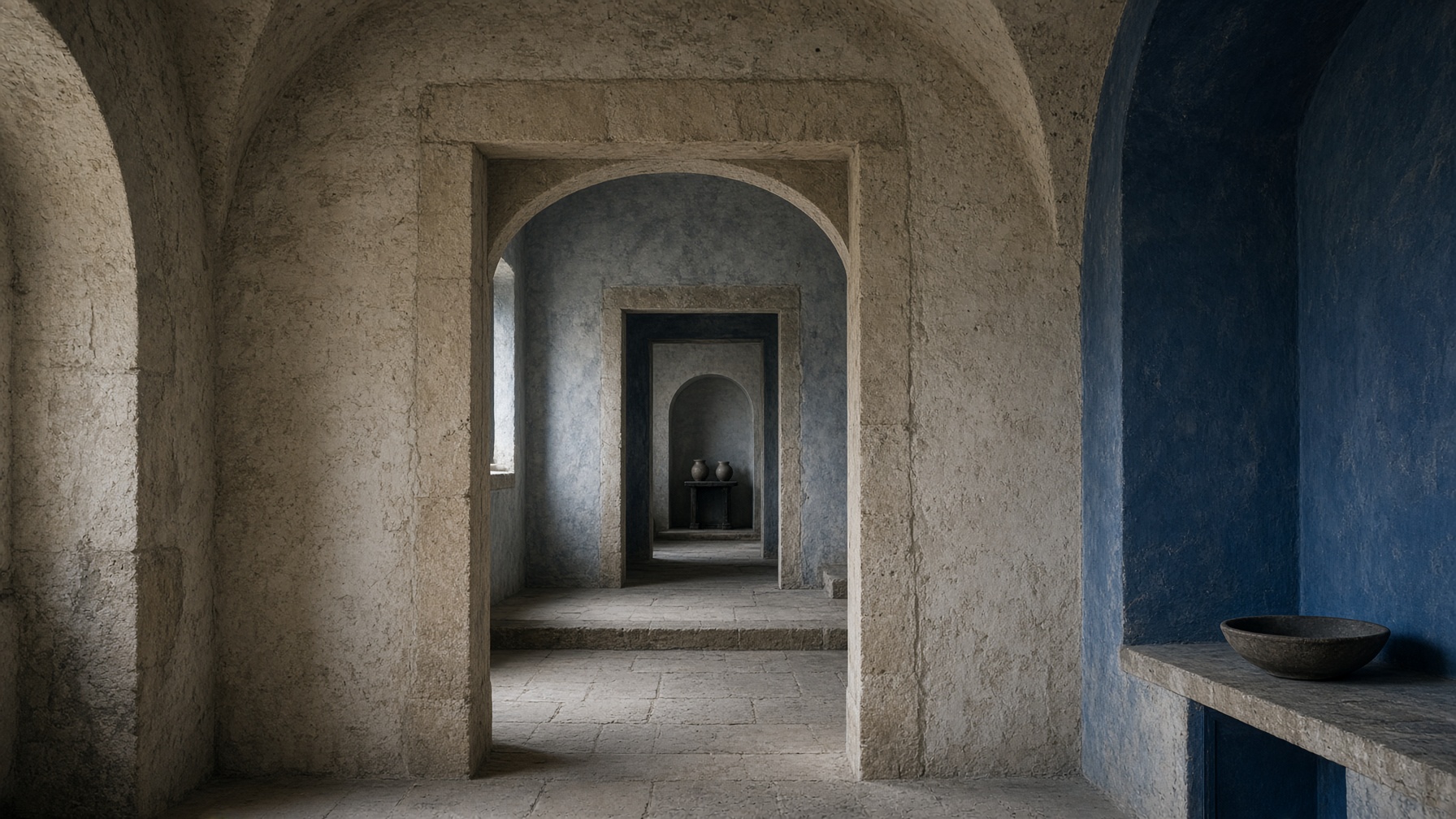
Interior Castle
A woman describes the soul as a diamond castle of many dwellings, and a journey inward that is not escape.
Ávila / Toledo · 1577
Science
Two Reports, One Skull
A cut intended to stop seizures reveals that a person can contain more than one witness.
California laboratories · 1960s–1970s
Science
Seeing Without Seeing
A man says he is blind in part of the field, and still posts letters through a slot he claims not to see.
Britain, then many labs · 1974 onward
Animals
A creature touches a spot on its own body that it could only have seen in a mirror, and a debate about self begins.
The Mark on the Glass
Laboratories, then field and farm · 1970
Science
When the Lights Go Out
A person counts backward, the room continues, and later there is a hole in the life where the cutting was.
Operating theaters everywhere · 1846 to now

Philosophy
The Stream of Thought
A psychologist refuses to cut the mind into pieces that would make a textbook tidy, and names the flow instead.
Cambridge, Massachusetts · 1890
Art & Literature
The Hours, Uncut
A woman buys flowers, and a novel tries to hold an entire consciousness without summarizing it.
Westminster · 1925
Space
A human being looks back at Earth and finds that the self will not stay the same size.
The Pale Blue Disc
Cislunar space, and later low Earth orbit · 1968, named 1987
Philosophy
Beside the Stove
A man sits through a winter of doubt, and finds a remainder he cannot unsay: that thinking is going on.
A stove-heated room in Germany, later on the page from the Netherlands · 1619 / 1641
Philosophy
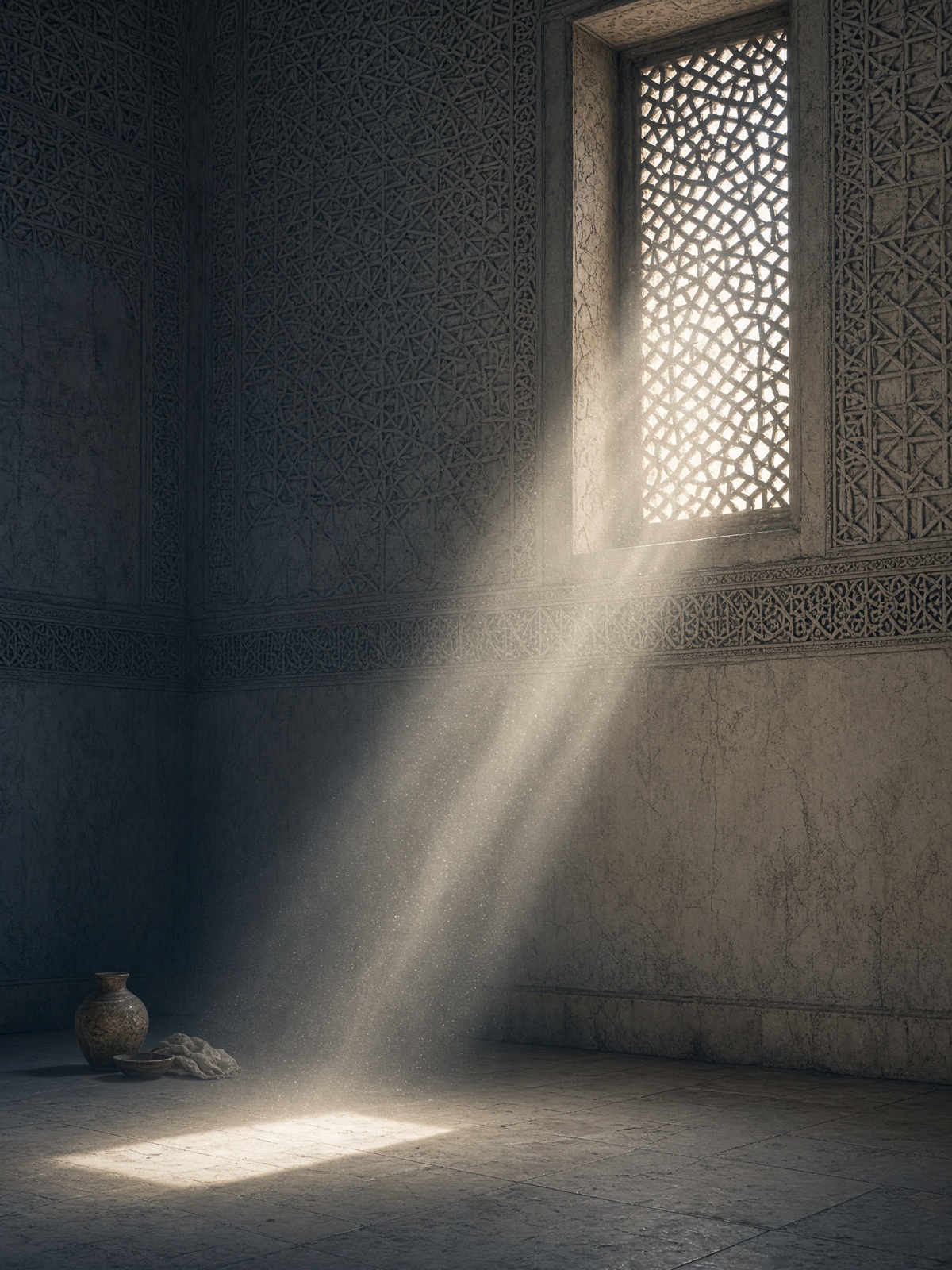
The Floating Man
A physician-philosopher asks you to imagine a person created at once in mid-air, with no senses, and still knowing that they are.
On the page, from Bukhara to Hamadan to Isfahan · c. 1027
Science
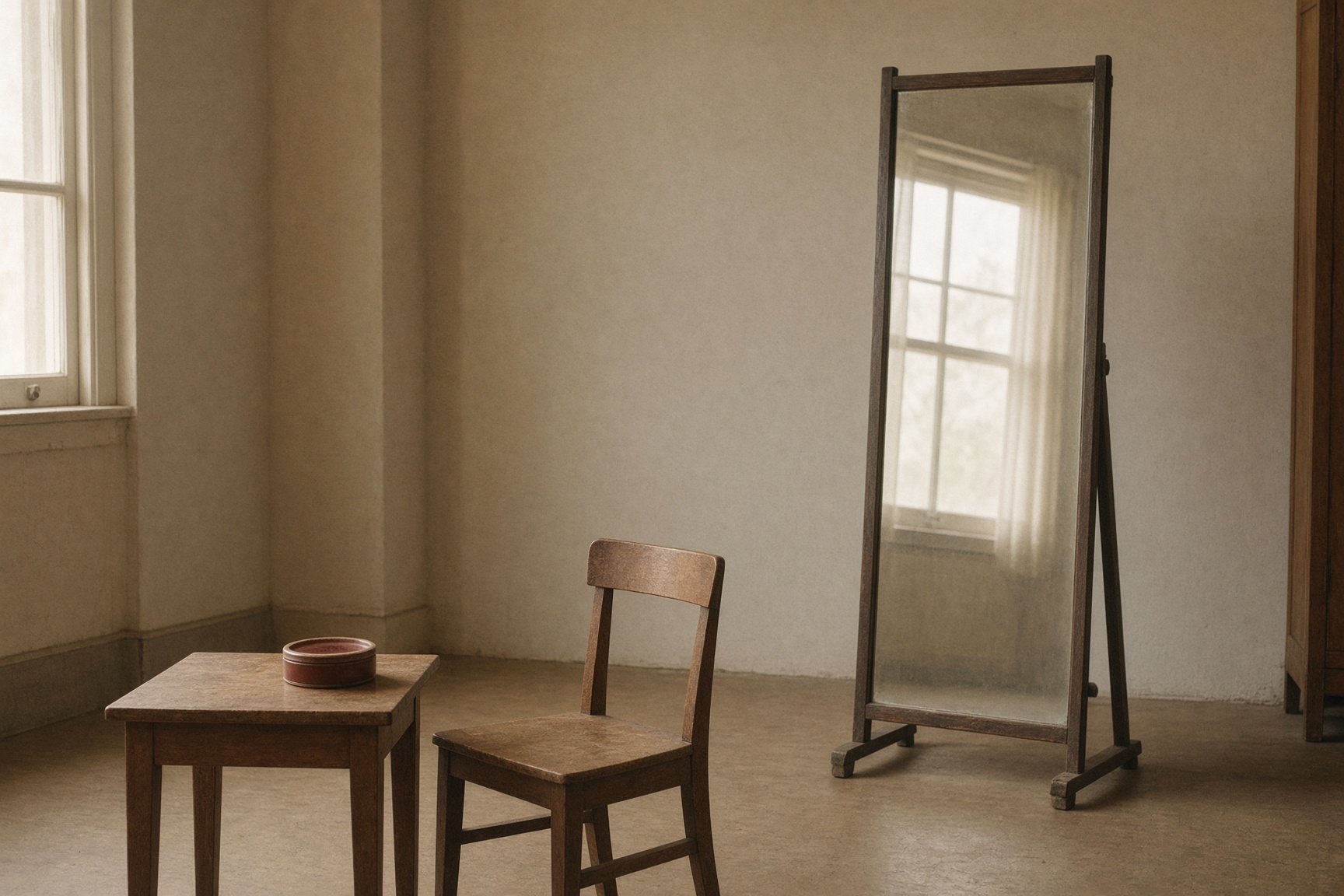
Before the Mark Is a Face
Eighty-eight children are placed before a mirror. Recognition, if that is the word, arrives late, and not as a theory of self.
Infant observation, reported from the University of North Carolina, 1972 · 1972
Art & Literature
A playwright tells actors that the mask must be worn until a different kind of looking becomes possible.
The Flower Is Not the Face
Yamato sarugaku, in the orbit of the Ashikaga court · c. 1402
Sacred Traditions
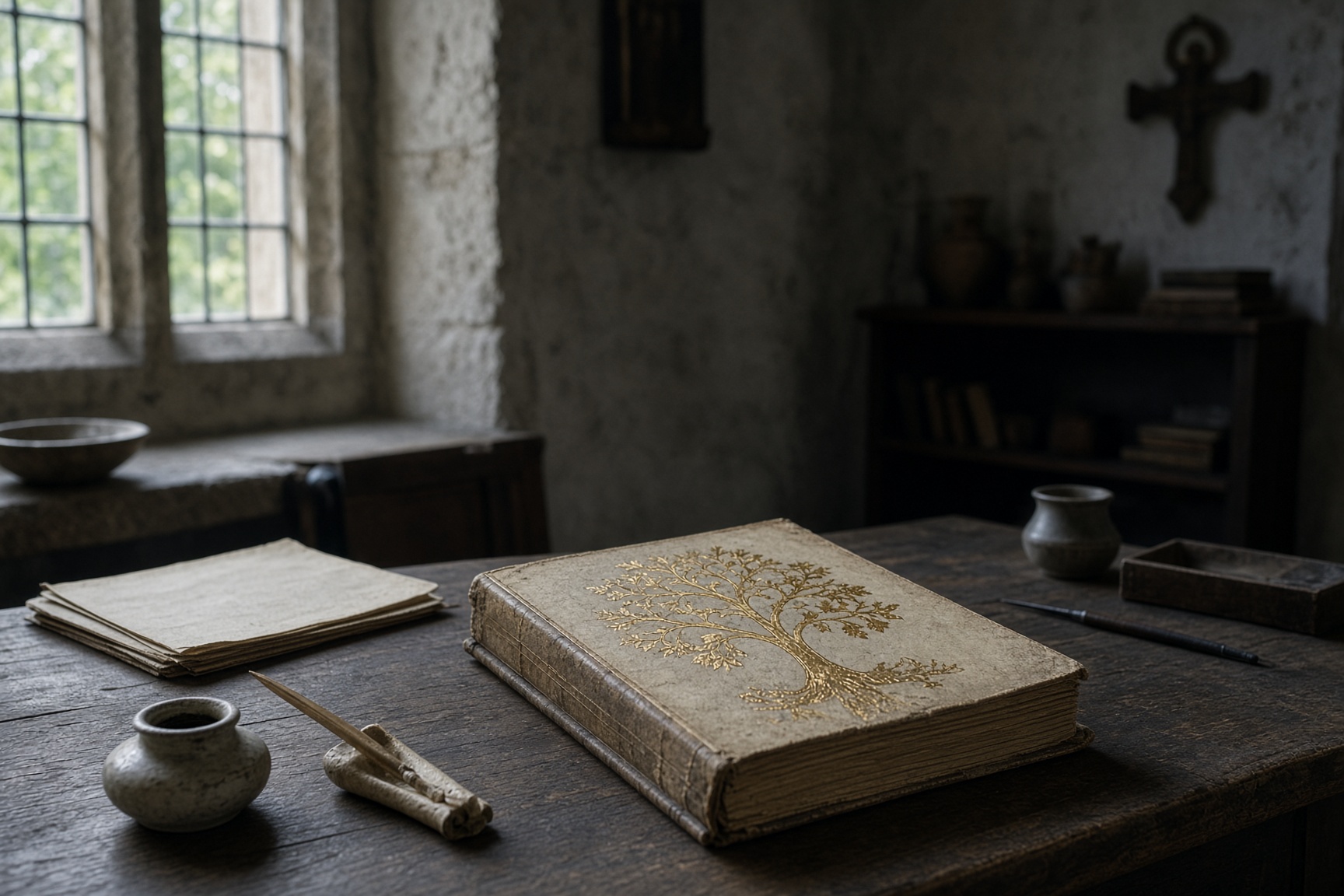
A Light That Did Not Stay Outside
A Benedictine woman writes visions she calls living light. The book is theology, not a laboratory of inner glow.
Disibodenberg, then Rupertsberg · 1141–1151
Art & Literature
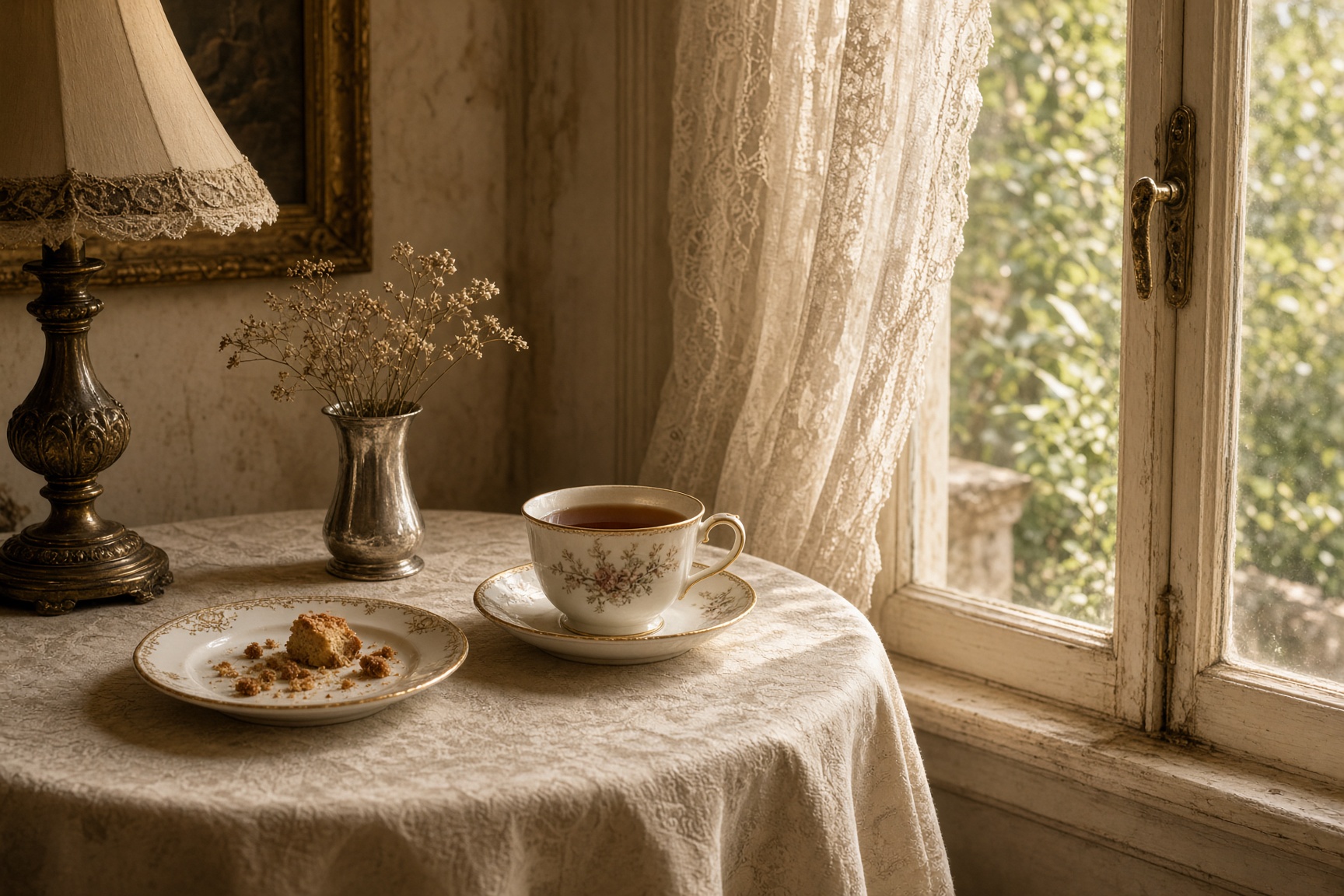
The Cake Was Not a Theory
A narrator dips a small cake in tea and a whole childhood arrives without being asked. The book is a novel, not a paper on memory.
Paris, remembering Combray · 1913
Philosophy
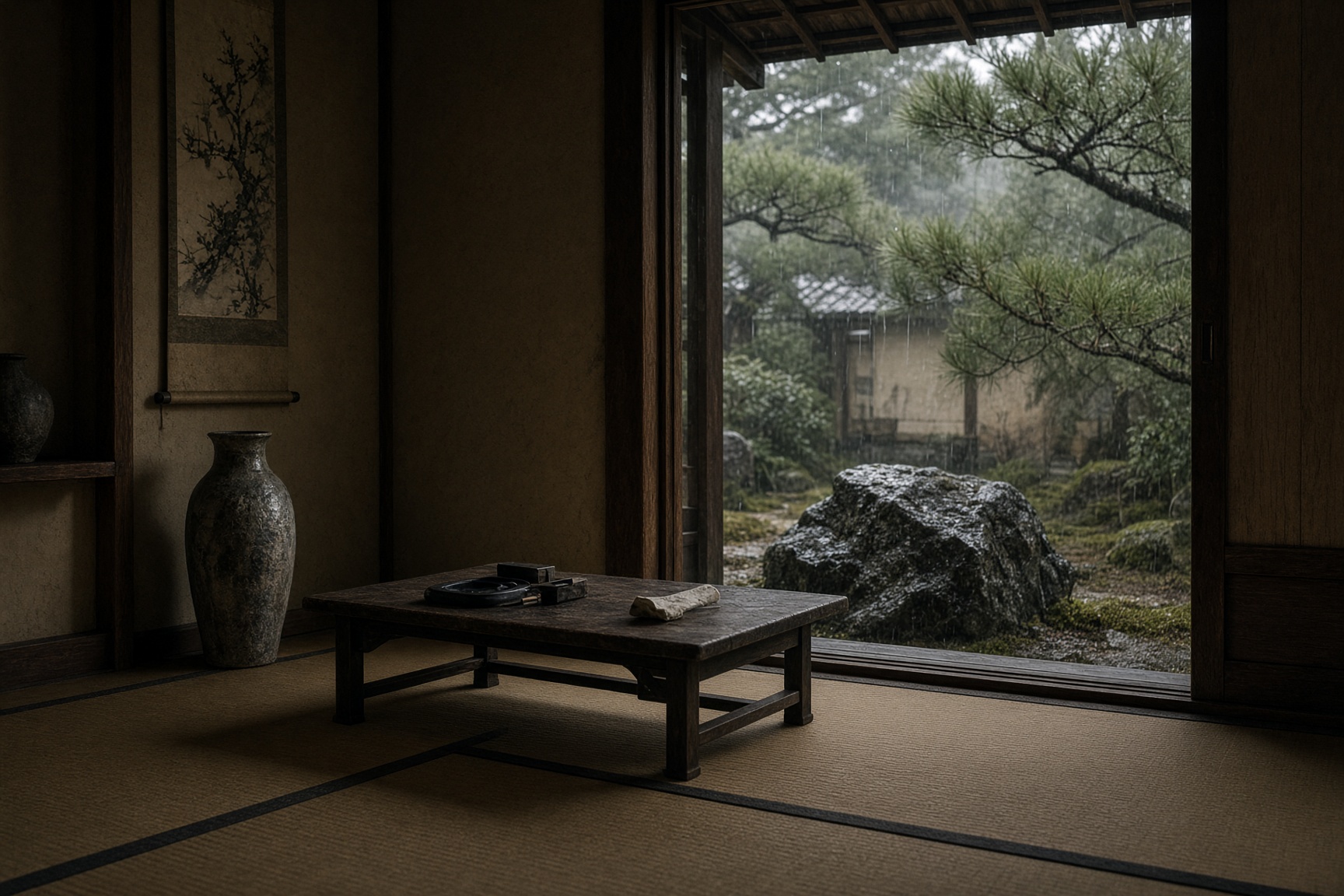
Before I Hear the Bell
A Kyoto philosopher names an experience that is not yet split into hearer and heard.
Kyoto, on the page · 1911
Ordinary Life
An American scholar names a sense of always looking at oneself through the eyes of a world that refuses to see you as one.
Two-ness
Atlanta, and on the page from Great Barrington · 1903
Sacred Traditions
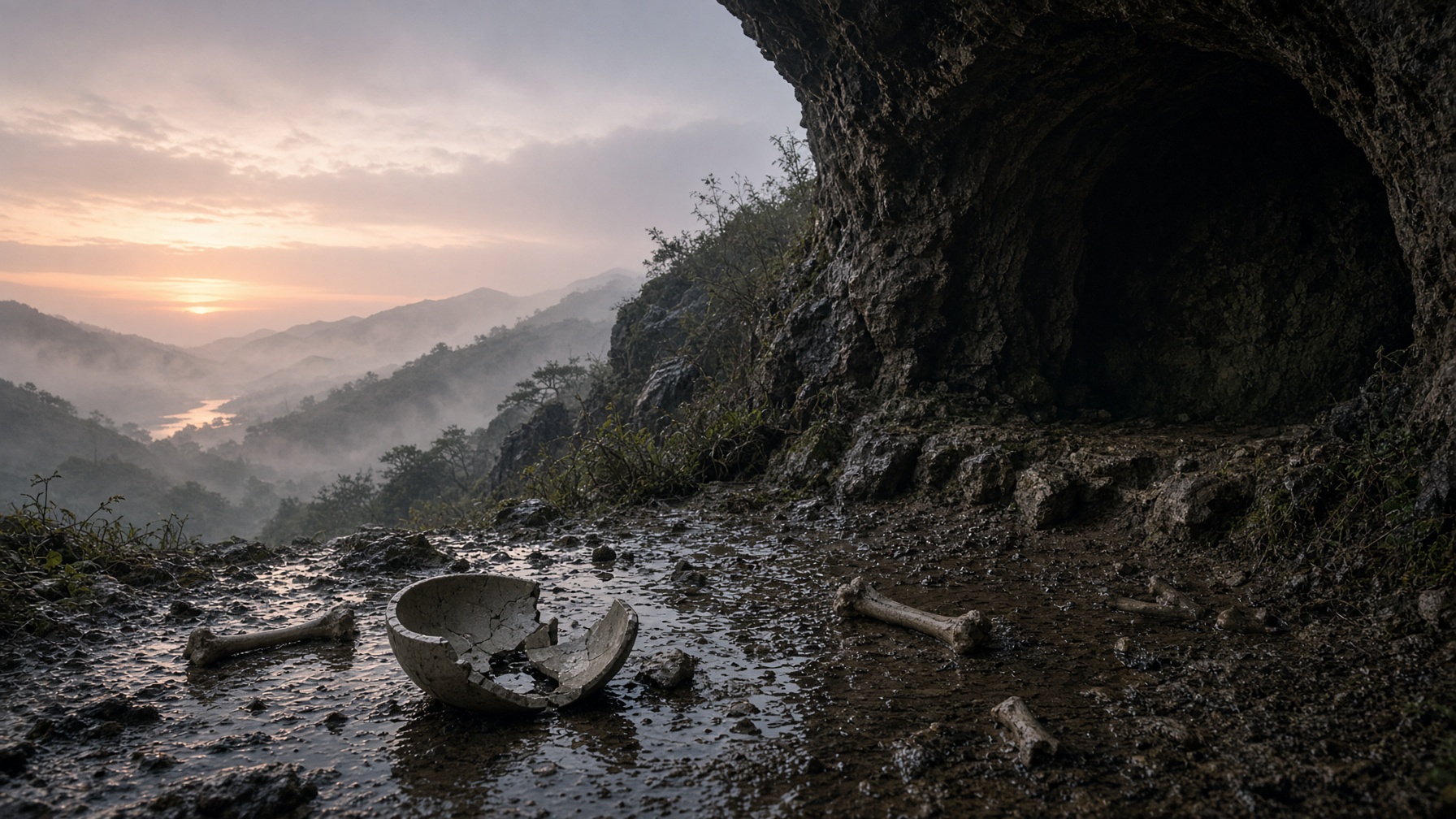
Water, Then a Skull
A later Korean Buddhist biography says a monk drinks rain in the night and finds, at dawn, that the bowl was a skull. The mind had sweetened the water. Treat the tale as a tale.
A roadside shelter, in the biographies · Later lives of a seventh-century monk
Science
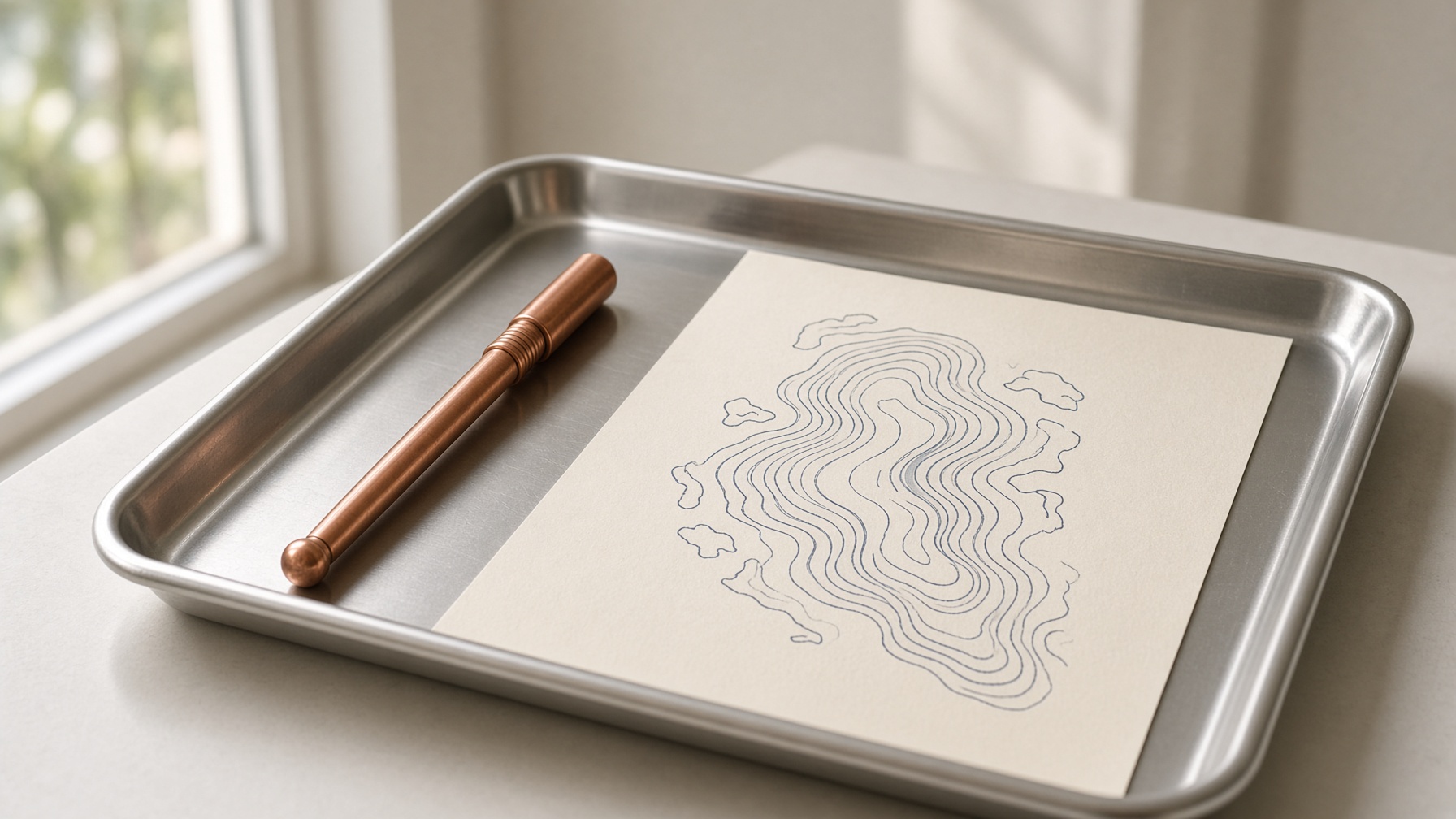
A Map Drawn on a Waking Man
In Montreal an awake patient names what a current in the cortex is doing to a hand, a sound, a memory.
Montreal Neurological Institute · 1930s–1958
Science
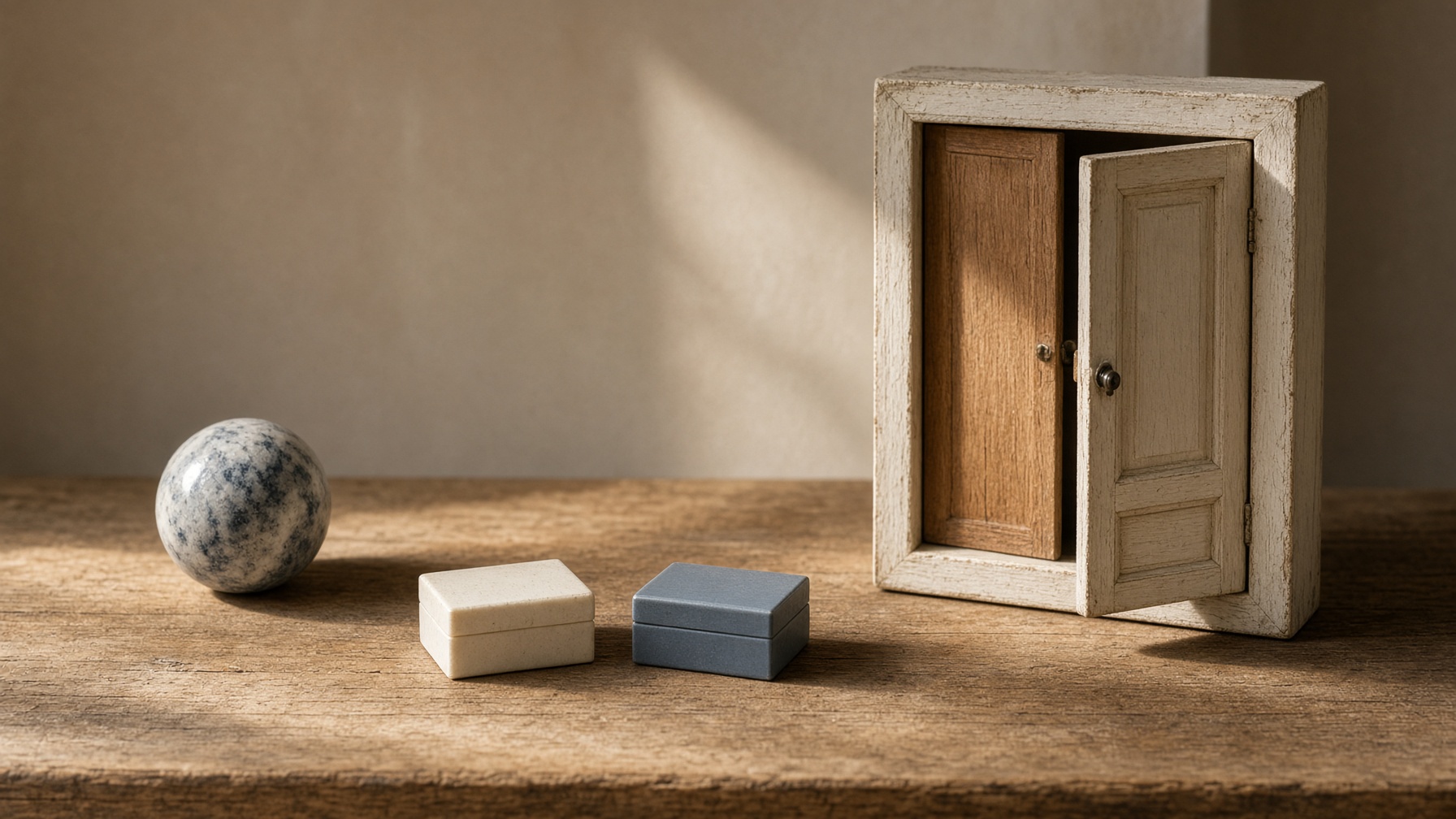
Where Maxi Will Look
A child is asked where another child will look for a chocolate that has been moved. The wrong cupboard is the beginning of a science of other minds.
Salzburg · 1983
Science
A Civil War physician finds that men who have lost an arm still itch in a hand that is not there. He has to invent a word, and then a fiction, to be believed.
The Conviction of Its Existence
Turner’s Lane Hospital, Philadelphia · 1864–1872

Ordinary Life
The Word at the Pump
A child who cannot hear or see has water run over one hand while letters are spelled into the other. Something that was wet becomes a name.
Ivy Green, Tuscumbia · 1887
Philosophy
Look, a Negro
A man on a train is named by a child’s fear. The naming, he writes, fixes a body from the outside.
Lyon, and the page of *Peau noire, masques blancs* · 1952
Science
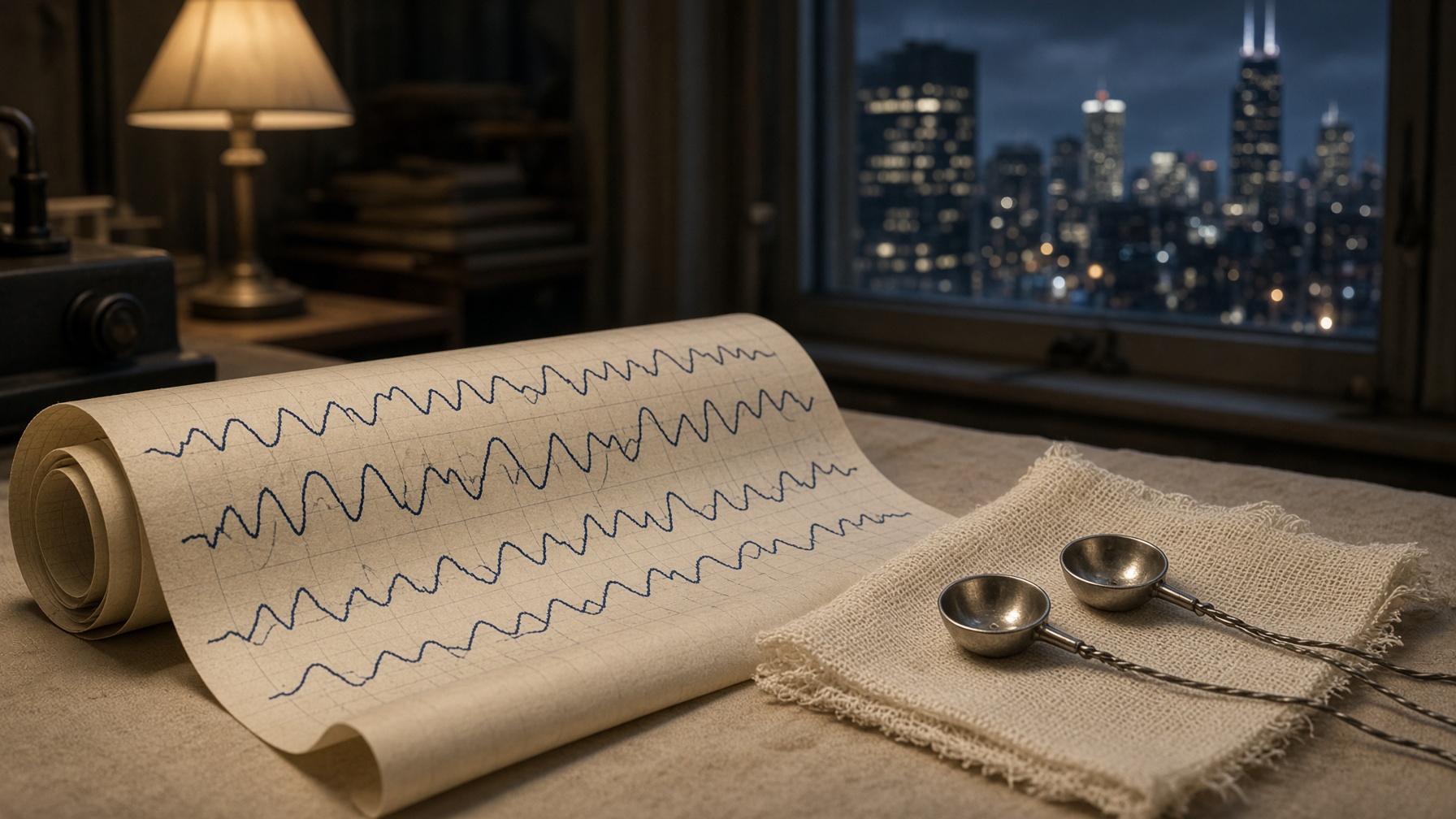
The Eyes, Still Sleeping
A graduate student in Chicago watches a sleeping child’s eyes jerk beneath closed lids, and sleep stops being a single blank.
University of Chicago · 1953
Art & Literature
In Lisbon a poet writes under names that have biographies, styles, and disagreements. The page is crowded, and the civil name is only one of them.
A Firm of Selves
Lisbon · 1914–1935
Philosophy
The Two-in-One
A political thinker, late, describes thinking as a conversation the mind holds with itself. Solitude, she says, is populated.
New York · 1973–1978
Science
The Work of Rest
A brain at rest, eyes closed, is not a blank. A network that quiets when a task begins is named a default.
Washington University, St. Louis · 2001
Science
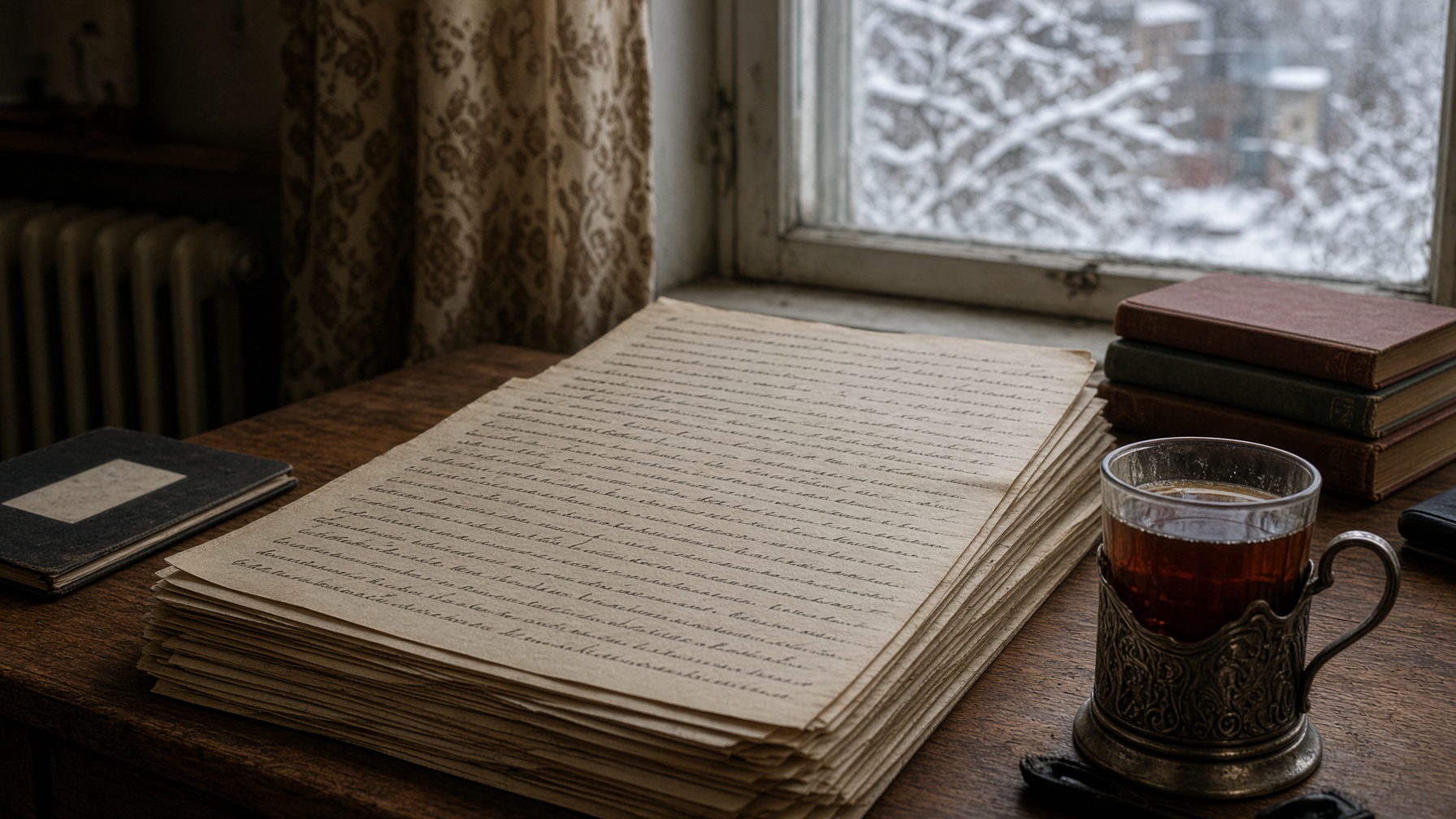
A Memory That Would Not Thin
In Moscow a psychologist follows a man who cannot forget a list. The gift is also a clogging. Ordinary forgetting, it turns out, is a kind of mercy.
Moscow · 1920s–1968
Art & Literature
A woman in Rio enters a maid’s room, kills a cockroach, and does not come out the same. The book is a sitting with what will not stay human.
The Room and the Other Life
Rio de Janeiro, on the page of *A Paixão Segundo G.H.* · 1964
Science
Asleep, and Knowing It
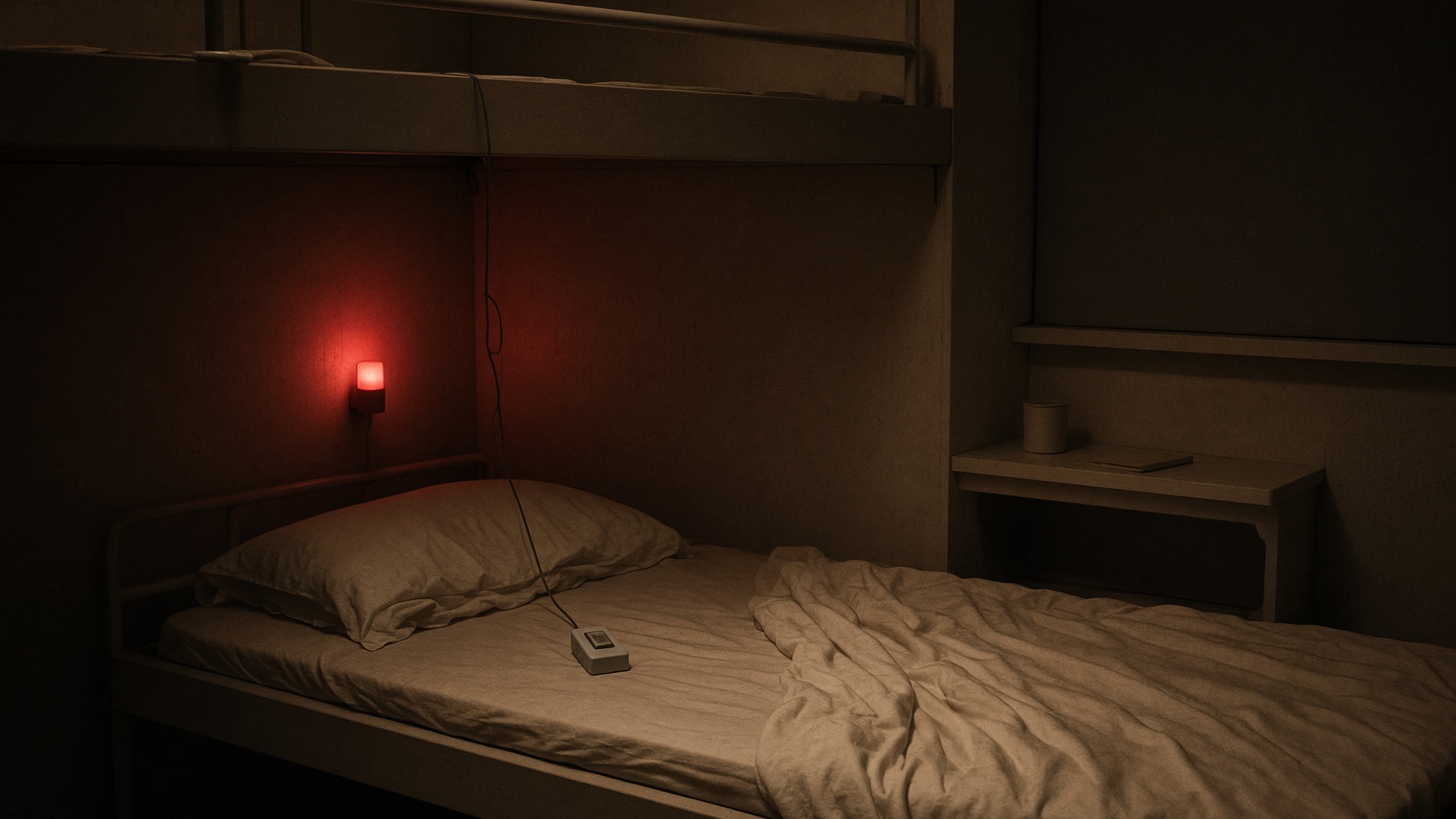
A sleeper in a Stanford laboratory moves his eyes in an agreed pattern. The movement is the proof that he knows he is dreaming.
Stanford University · 1981