
Portrait · Self · 1577
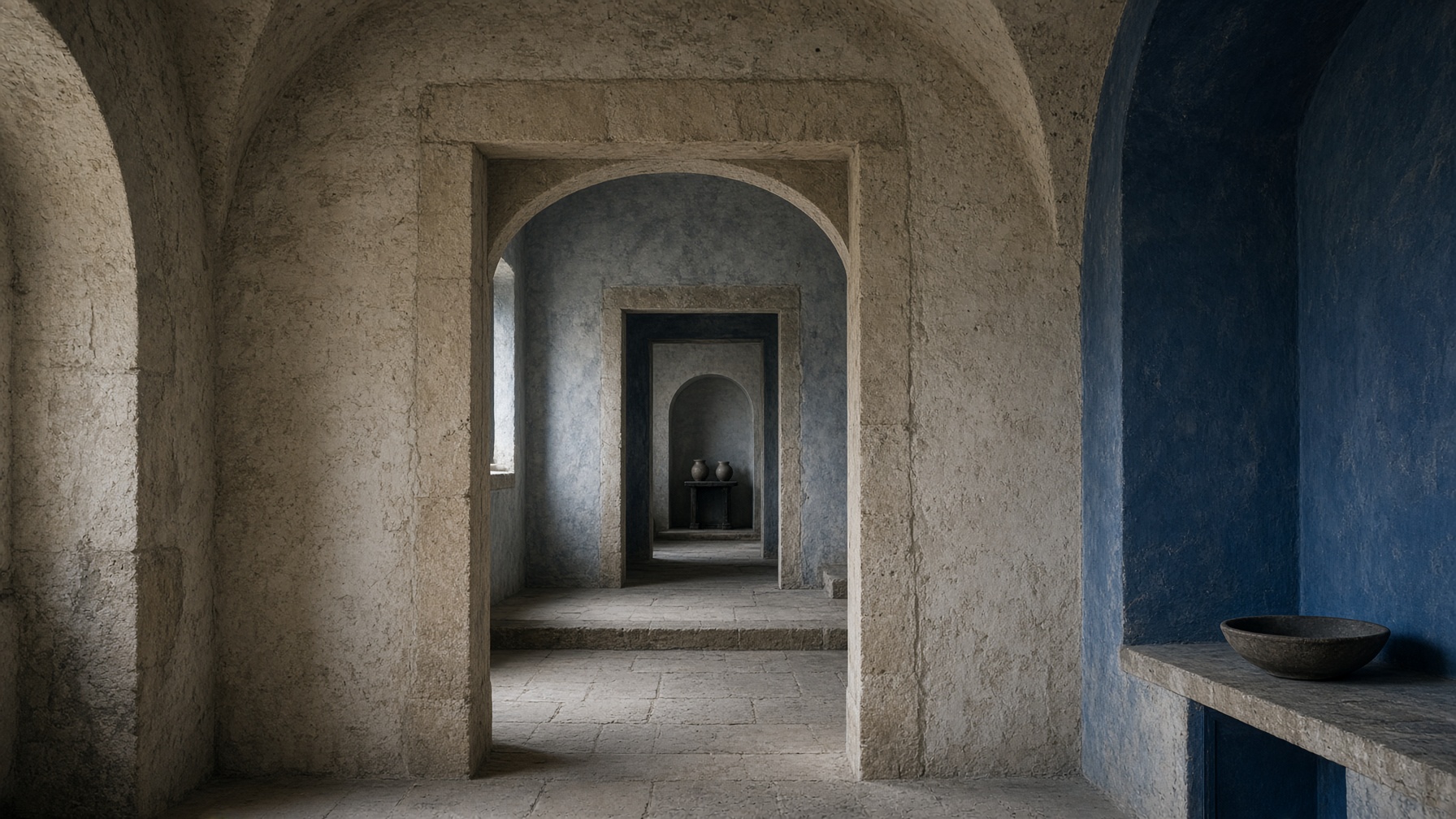
Plate · Generated interpretation
Interior Castle
A woman describes the soul as a diamond castle of many dwellings, and a journey inward that is not escape.
- Ávila / Toledo
- Counter-Reformation Spain
- 40.66°N 4.70°W
Listen · Eve
0:00 / —:—
Teresa of Ávila, in her sixties, under obedience and in poor health, dictates a book to her nuns. Think of the soul, she says, as a castle of crystal or diamond, containing many rooms, some above, some below, some at the sides, and in the center the place where the King stays. The door is prayer. Most people stay in the outer courts, with the reptiles of distraction. A few are drawn, dwelling by dwelling, toward the seventh, where the marriage of the soul is not a feeling but a change of relation.
El Castillo Interior, or Las Moradas, written in 1577. Teresa is a historical reformer of the Carmelite order, later a doctor of the Church. The book is spiritual direction, not autobiography in the modern sense, though her Life records the experiences that trained her metaphors.
The castle is not a diagram of the brain. It is a map of attention under grace, with rooms that cannot be forced. Teresa is empirically careful in her own way: she distinguishes consolations from union, imagination from intellect, self-display from prayer. She knows the mind can counterfeit the thing it wants.
Psychologists have been tempted to read the moradas as stages of development or as dissociative architecture. Teresa is describing a path of prayer in a Catholic cosmos. Mapping her rooms onto clinical stages is an analogy, and a risky one.
A word
moradas
Spanish: dwellings, abodes. Not rungs on a ladder only: rooms that can be revisited, neglected, mistaken.
Distant echoes
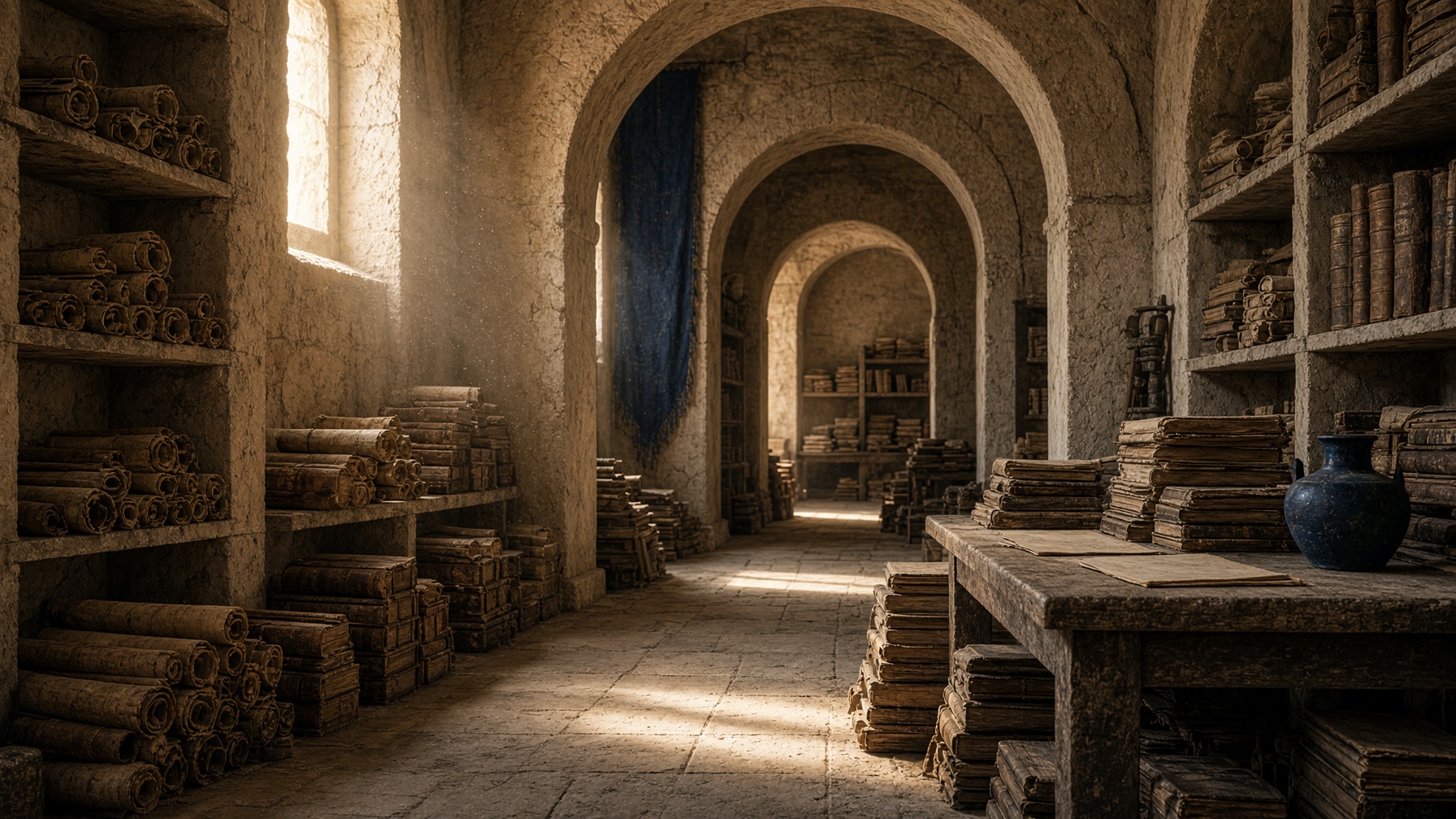
Echo
Late antiquity · Hippo Regius
Augustine’s palaces
Both build inner architecture. Augustine wanders in memory looking for God. Teresa moves through prayer toward a center already occupied.
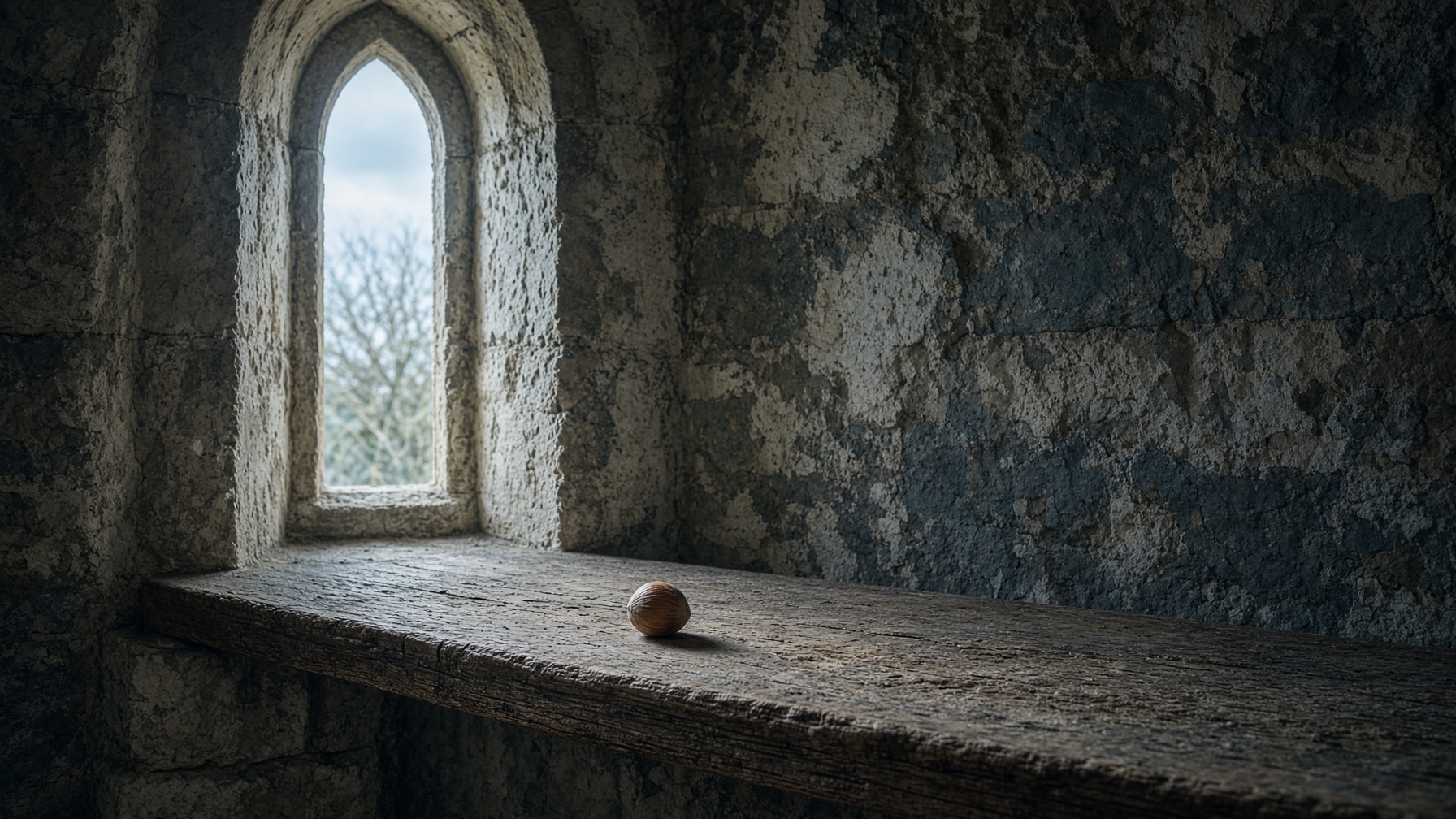
Echo
Late medieval England · Norwich
A hazelnut in the palm
Julian is shown; Teresa maps. Two women, two centuries, two ways a soul can be larger than its owner.
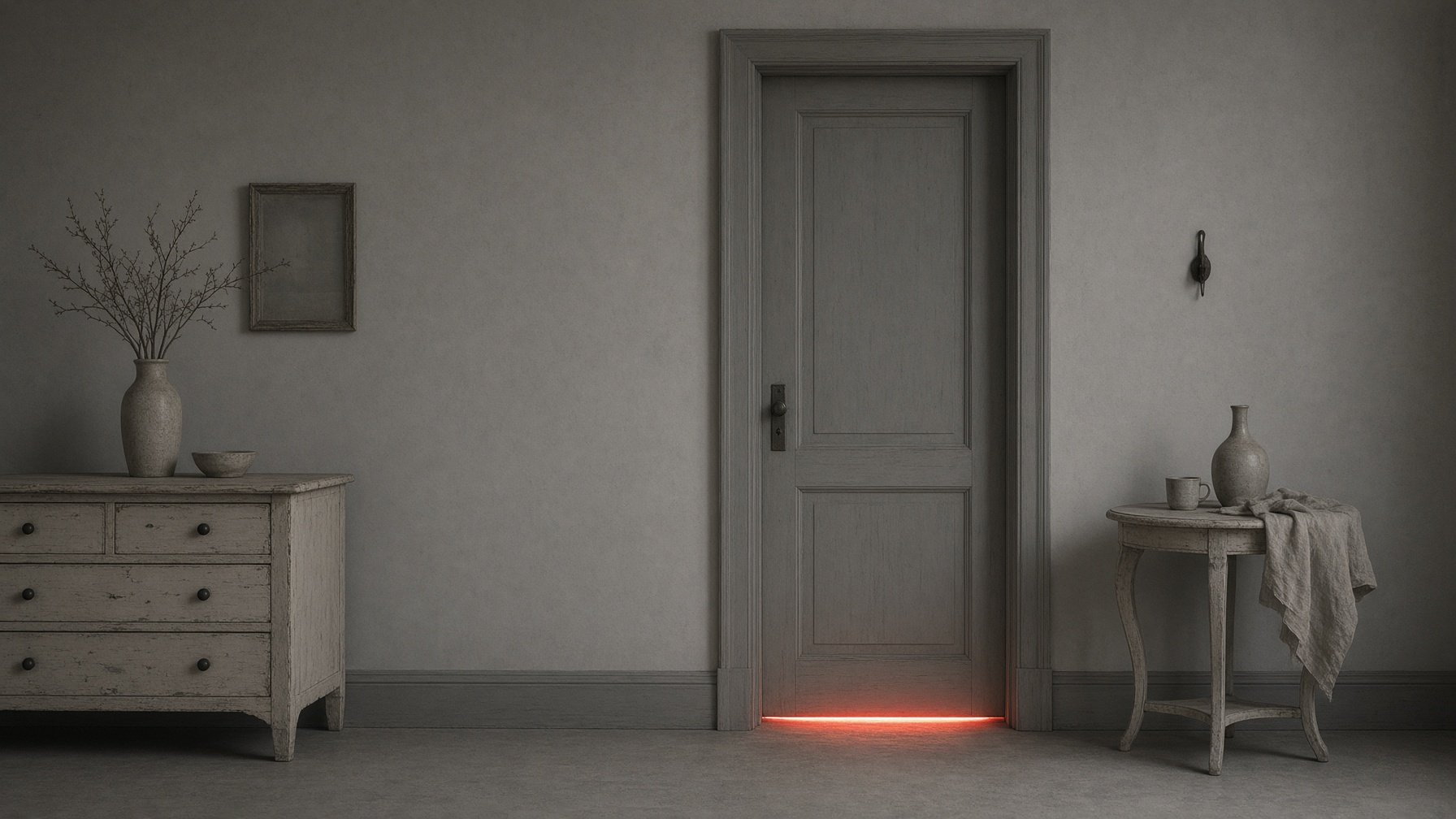
Counterpoint
Analytic philosophy · A gray room that does not exist
Mary’s gray room
Mary’s room is epistemically sealed. Teresa’s castle is ontologically open at the center. One is a thought experiment about qualia; one is a life of prayer.
One question remains
Self · Who or what is having the experience?
If the innermost room is occupied by another, is that the end of self, or the only way a self becomes real?