
Science · Knowledge · 1982
The Door with a Seam of Color
A scientist who knows everything about color has never seen it. Then the door opens.
- A gray room that does not exist
- Analytic philosophy

Plate · Generated interpretation
Name every color on the plate before the story names what is missing.
Listen · Eve
0:00 / —:—
Mary is a brilliant scientist confined to a black-and-white room. She learns all the physical facts about color vision (wavelengths, neurons, reports) from books and a black-and-white screen. She has never seen red. One day she is released, or given a color monitor. She sees red. Does she learn something new?
Frank Jackson, “Epiphenomenal Qualia,” Philosophical Quarterly, 1982, later “What Mary Didn’t Know” (1986). It is a thought experiment, not a study. Jackson originally used it against physicalism, and later changed his own mind about the conclusion. The scenario outlived the author’s allegiance.
If Mary learns something new, it seems there are facts about experience that complete physical knowledge does not contain. If she learns nothing new, our intuition that “what it is like” is a something may be a confusion. Decades of replies (ability, acquaintance, old facts in new guise) have not produced consensus. That lack of consensus is itself a fact about the field.
The experiment assumes an idealization: “all the physical facts.” No actual Mary, no actual completion of physics. Its force is conceptual. Treating it as a prediction about a future neuroscientist is a category mistake.
Al-Ghazālī’s tasting, the first sight of Earth from a window, the prisoner leaving the cave: all are stories of a knowing that is not a sentence. Analogies do not prove Jackson’s conclusion. They show why the intuition is old.
Why it matters
The story is the modern Western form of an ancient suspicion: that being aware is not the same as being informed. Whether that suspicion is a discovery or a trick of imagination is the argument. It is not settled here.
A word
qualia
Latin qualis, of what kind. In philosophy, the introspectible characters of experience: the redness of red. A technical word for what a child already has and cannot hand over.
Distant echoes
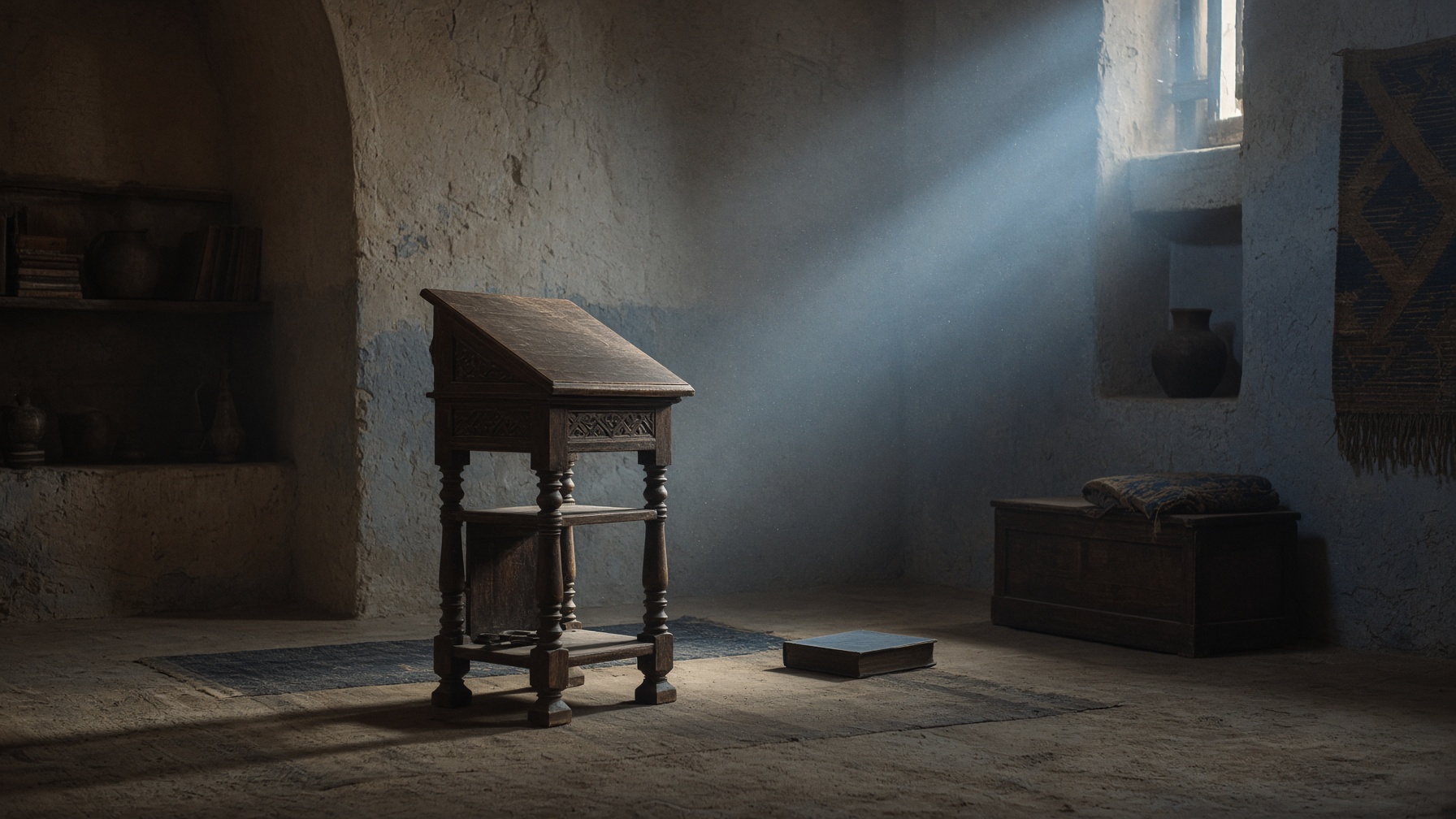
Echo
Abbasid / Seljuk world · Baghdad, then Damascus and Tus
When knowledge would not sit still
A different century’s crisis of the gap between description and tasting. Al-Ghazālī left a lectern. Mary leaves a room. The structure of the lack is kin.
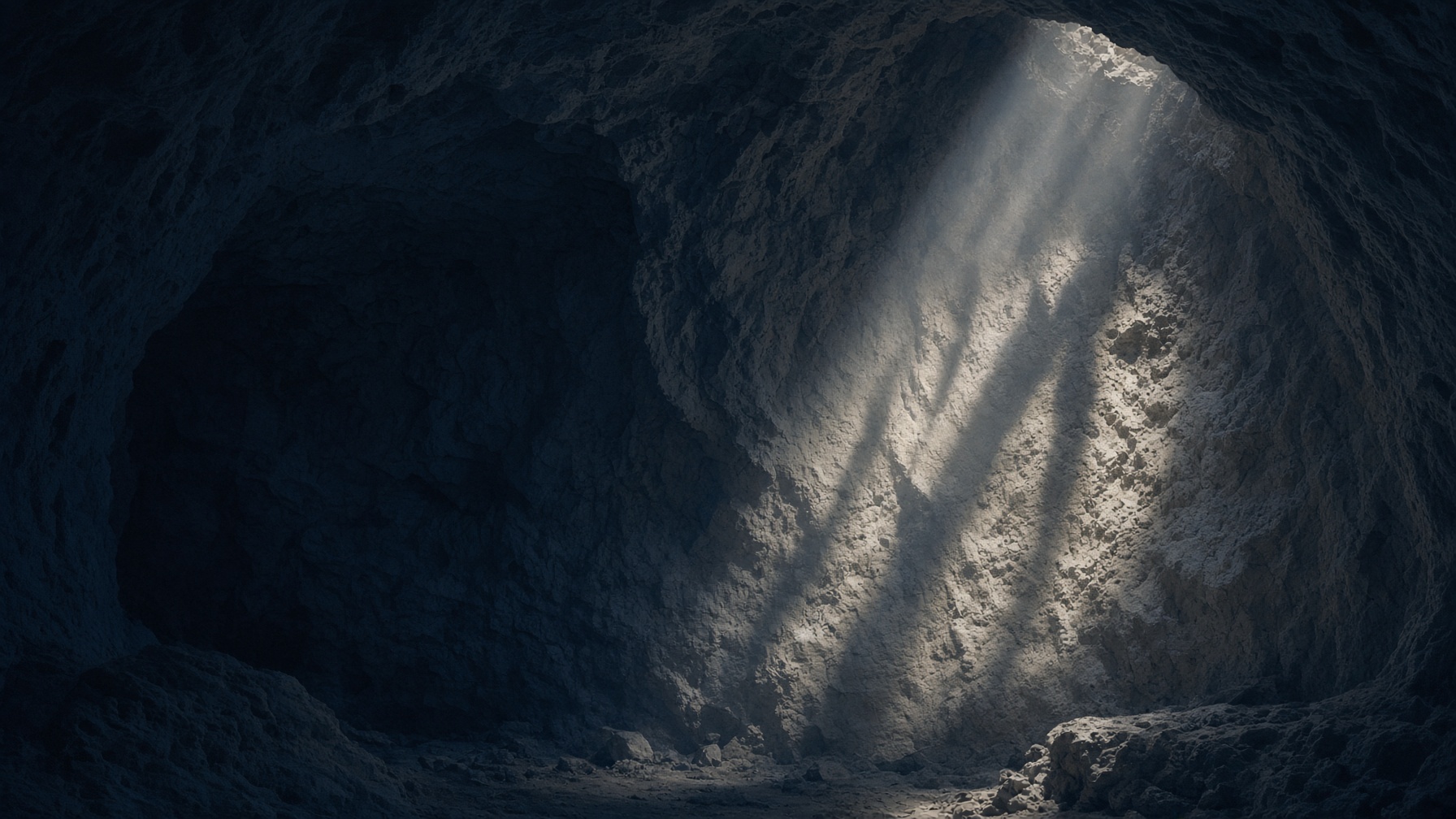
Echo
Classical Greece · Athens
The fire and the wall
Mary has more than shadows; she has the physics of fire. Plato’s prisoner lacks even that. Jackson asks whether the complete physics still leaves a seeing out.
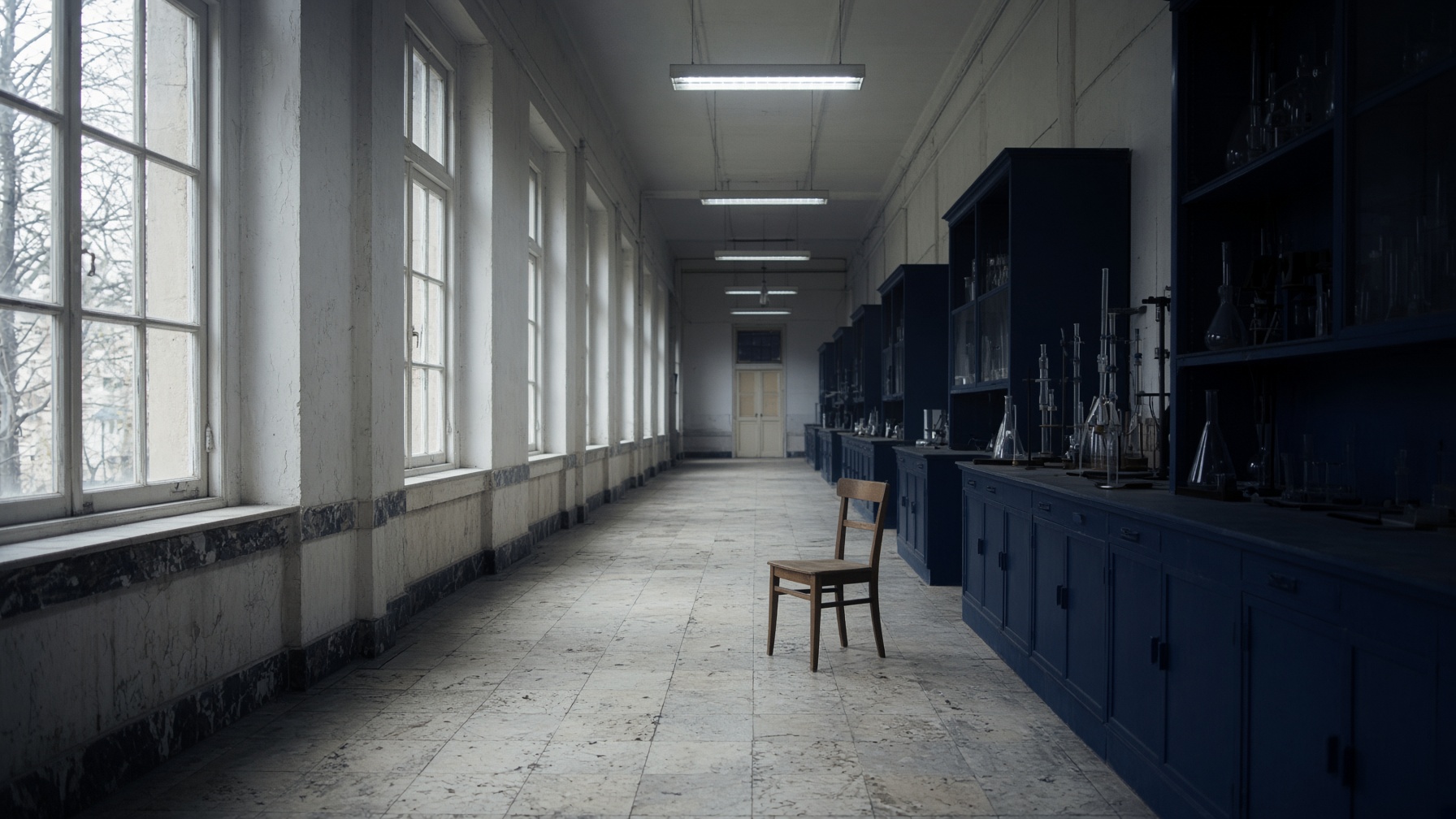
Counterpoint
Late twentieth century · Britain, then many labs
Seeing without seeing
Blindsight is a real patient who performs without owning the sight. Mary is an imagined scientist who owns knowledge without the sight. Two ways presence and information come apart.
One question remains
Knowledge · What counts as knowing?
If she learns something new, what kind of something is it (a fact, a skill, an acquaintance), and can a story capture it without becoming the door?