
Portrait · Self · 1619 / 1641
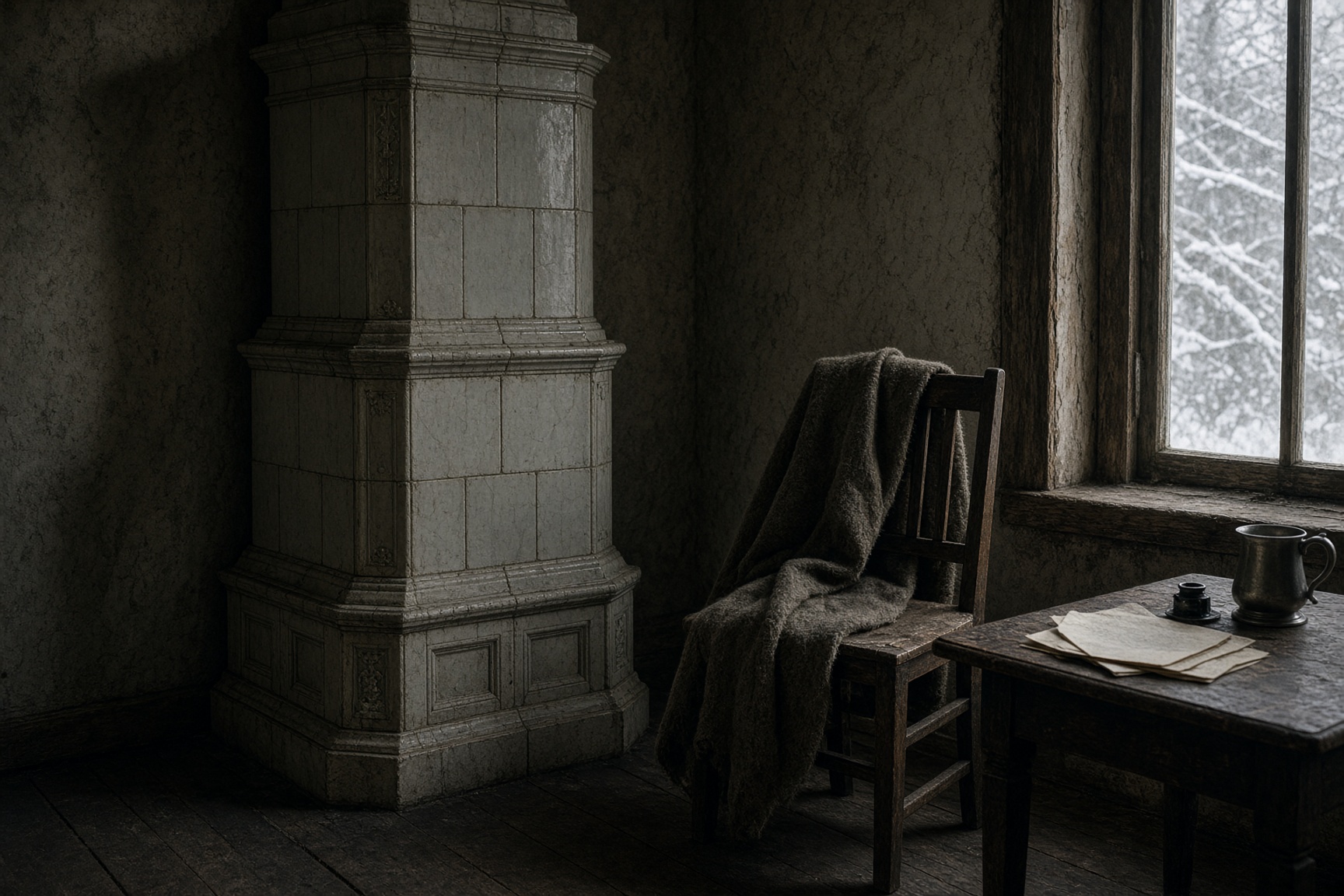
Plate · Generated interpretation
Beside the Stove
A man sits through a winter of doubt, and finds a remainder he cannot unsay: that thinking is going on.
- A stove-heated room in Germany, later on the page from the Netherlands
- Early modern Europe
- 48.73°N 11.18°E
The thinker is not in the picture. Notice the remainder.
Listen · Eve
0:00 / —:—
November 1619, in a stove-heated room (poêle) in Germany: a young Descartes, by his own later telling, conceives a method of radical doubt. Two decades later the Meditations (1641) put the method on the page. Senses deceive. Dreams counterfeit waking. A deceiver, even a god, might arrange the arithmetic. What remains, if anything remains, when every content can be faked?
Meditationes de Prima Philosophia, 1641. The stove-room is from the Discourse on the Method (1637): a biographical scene, not a laboratory. The cogito (ego sum, ego existo, as long as I think) is an argument in a tradition, not a private lightning.
What survives the demolition is not a soul observed from outside. It is the fact of doubting itself: if I am deceived, I am. Later readers hear “I think therefore I am” as a slogan. In the Meditations it is closer to a remainder after subtraction. The I is thin. It is a thinking, not yet a biography. Bodies, animals, other minds, God: those are rebuilt afterward, with more or less success. The rebuild is where the fights begin.
This proposition: I am, I exist, is necessarily true whenever it is put forward by me or conceived in my mind.
Consciousness, as a later English word, is not Descartes’s term of art. He speaks of thought (cogitatio): doubting, understanding, affirming, willing, imagining, sensing. The list is already a theory of what a mind is. It is also a narrowing. A tick’s world, a split brain, an anesthetic hole, will not sit easily inside it.
Whether the remainder is a substance, a performance, a grammar, or a moment of honesty is not settled by the stove.
A word
cogito
Latin cogitare, to think, to turn over. The famous therefore (ergo) is from the Discourse; the Meditations prefer a necessity in the saying. Thought, here, is an act that cannot be nothing.
Distant echoes
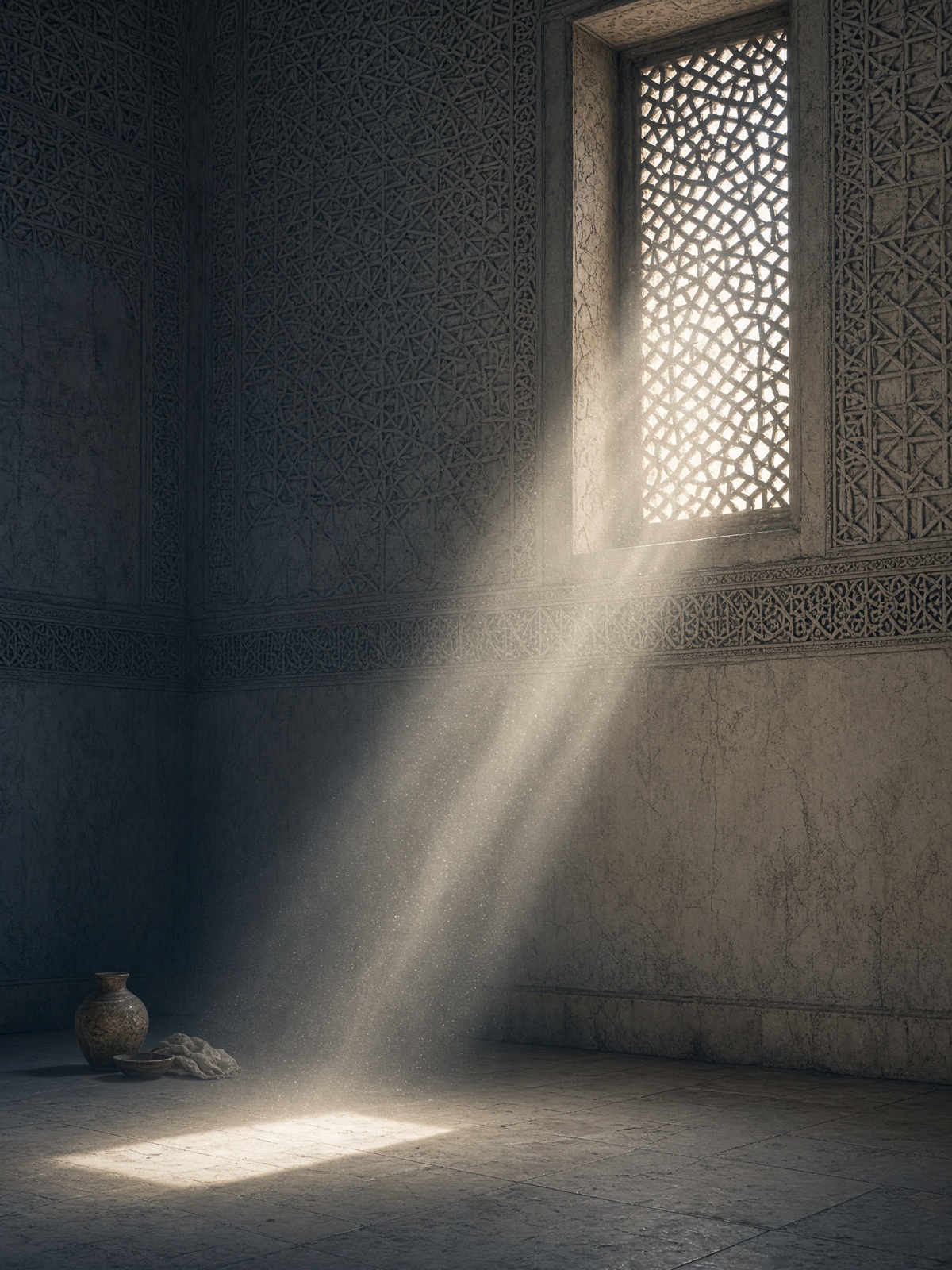
Echo
Islamic Golden Age · On the page, from Bukhara to Hamadan to Isfahan
A man created in mid-air
Ibn Sīnā, centuries earlier, imagined a person with no senses who would still affirm existence. Two rooms, two languages, one pressure: that self-awareness might not need a world.
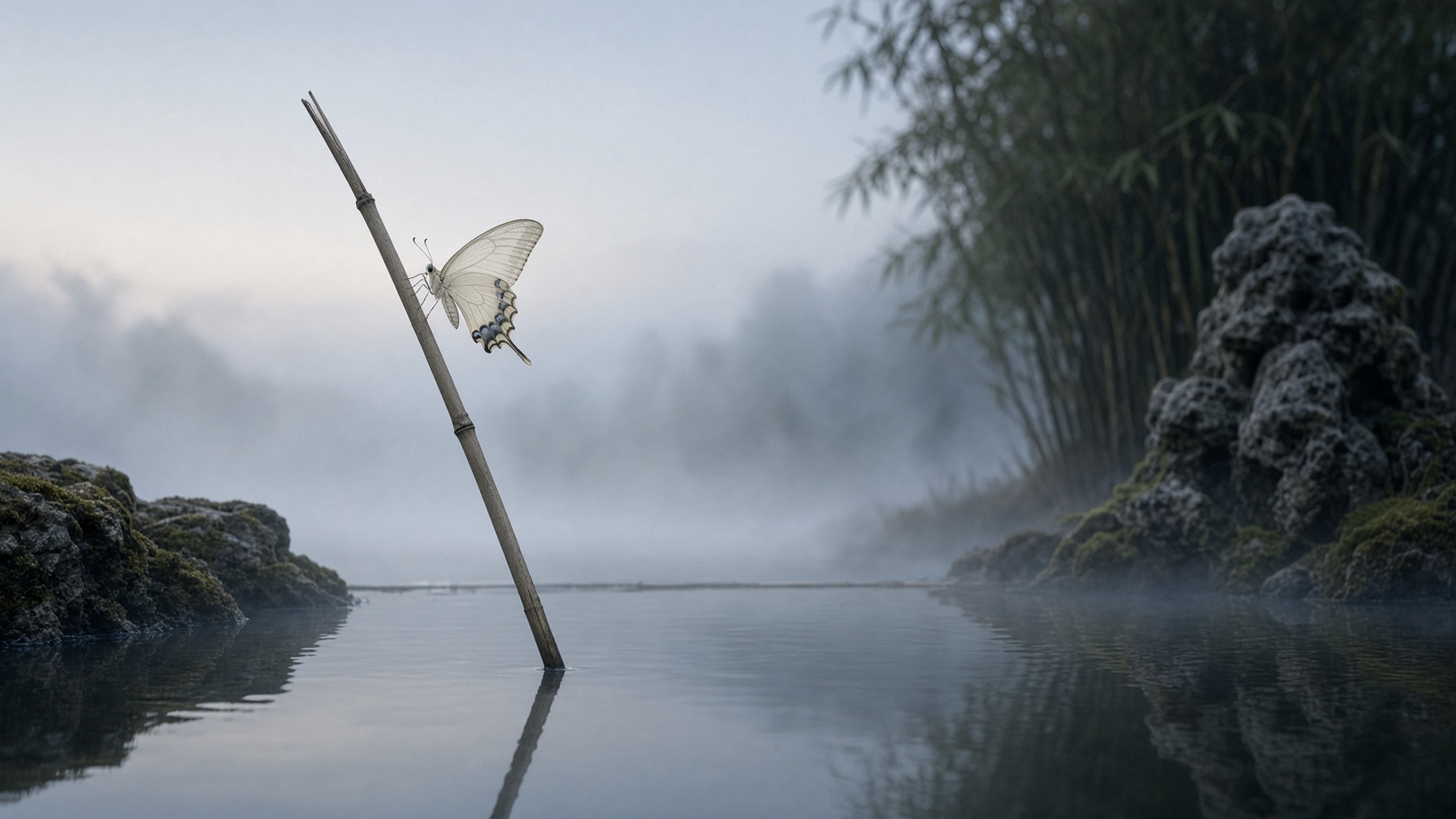
Counterpoint
Warring States China · The state of Song, traditionally
The butterfly
Zhuangzi wakes unsure which side is home. Descartes uses the dream to doubt the world, then climbs out. One argument wants an exit. One story refuses the exit.
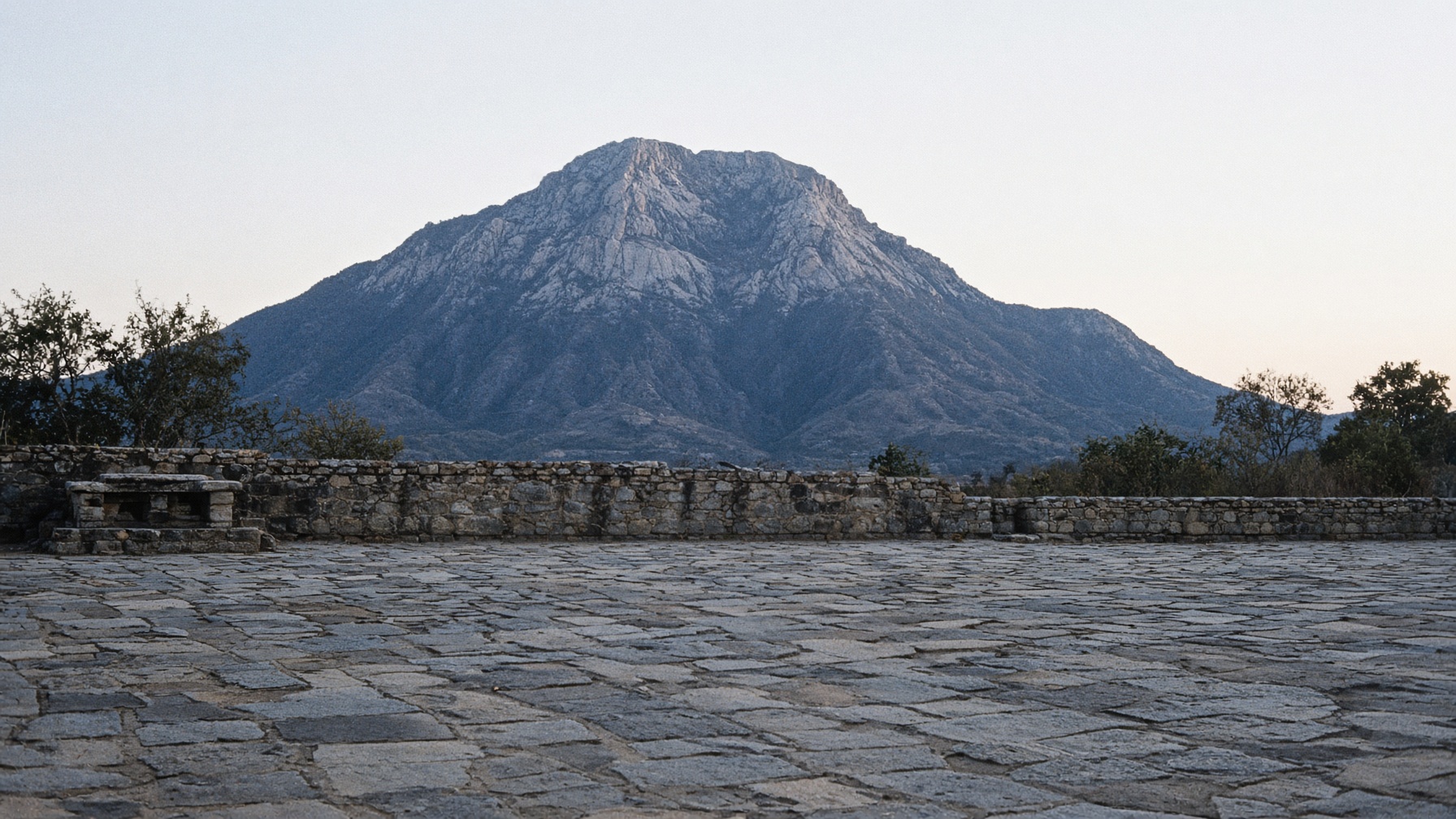
Another language
Colonial South India · Madurai, then Arunachala
Who is asking
Ramana’s question (who am I?) is not a proof. It is a practice. Descartes wanted an Archimedean point. Advaita wants the point to dissolve.
One question remains
Self · Who or what is having the experience?
If the only thing that cannot be doubted is that thinking is happening, is that a self, or only a weather report from inside a storm?