
Animal · Other minds · 2010s, with older roots
A Mind with Eight Arms
An animal without a backbone unscrews a jar from the inside, and the old maps of mind look provincial.
- Oceans, and a few laboratories
- Contemporary biology
- Mediterranean, approximate
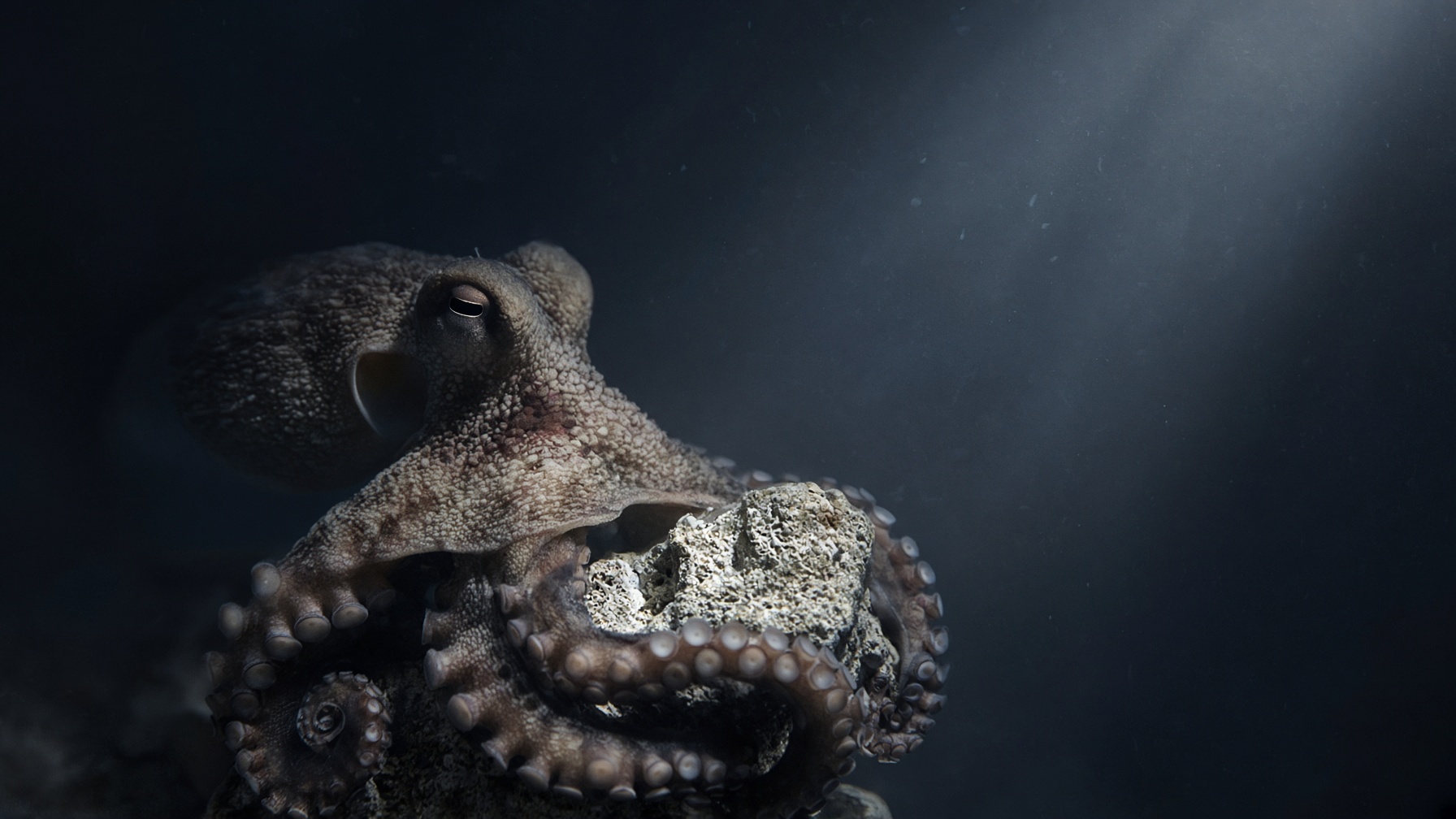
Plate · Generated interpretation
Which part of the creature do you treat as the one who is looking back?
Listen · Eve
0:00 / —:—
An octopus in a tank opens a jar. Sometimes the arm seems to decide before the head has joined. Chromatophores flush a pattern that may be camouflage, signaling, or a private weather. Peter Godfrey-Smith, a philosopher who dives, writes of meeting a creature whose last common ancestor with us lived so long ago that the mind, if it is a mind, was almost certainly invented twice.
Cephalopod nervous systems are large, distributed, and unlike vertebrate brains. Behavioral studies show play, problem-solving, individual difference, and, in some reports, apparent recognition of particular humans. The Cambridge Declaration on Consciousness (2012) named cephalopods among nonhuman animals for whom the weight of evidence indicates conscious states. Declarations are not data; they are a scientific community’s posture.
If there is something it is like to be an octopus, it may not be like being a unified person who then happens to have tools. It may be like being a coalition. Godfrey-Smith suggests a “yes, and no” to the question of whether the octopus is a single self. That is interpretation informed by anatomy. It is not a reading of the octopus’s diary.
The temptation is to make the octopus a mascot for the alien mind, or for the limits of human empathy. The animal is not a mascot. It is a hunter, a short-lived invertebrate, a body that dies after breeding. Wonder should not erase that.
What we know
The story loosens the assumption that consciousness, if it exists beyond us, will look like a primate with a face. A mind might be wet, distributed, and uninterested in our tests. The ethical pressure follows whether or not the metaphysics is settled: how do we treat a creature we cannot interview?
What we cannot know
A protocol is not a soul. Failure to satisfy our test is not vacancy. The rest remains with the creature.
A word
cephalopod
Greek kephalē, head, and pous, foot. The feet are around the head. Our diagrams of “higher” and “lower” were never made for this body.
Distant echoes
Echo
Contemporary ethology · Western oak woodlands, and Cambridge aviaries
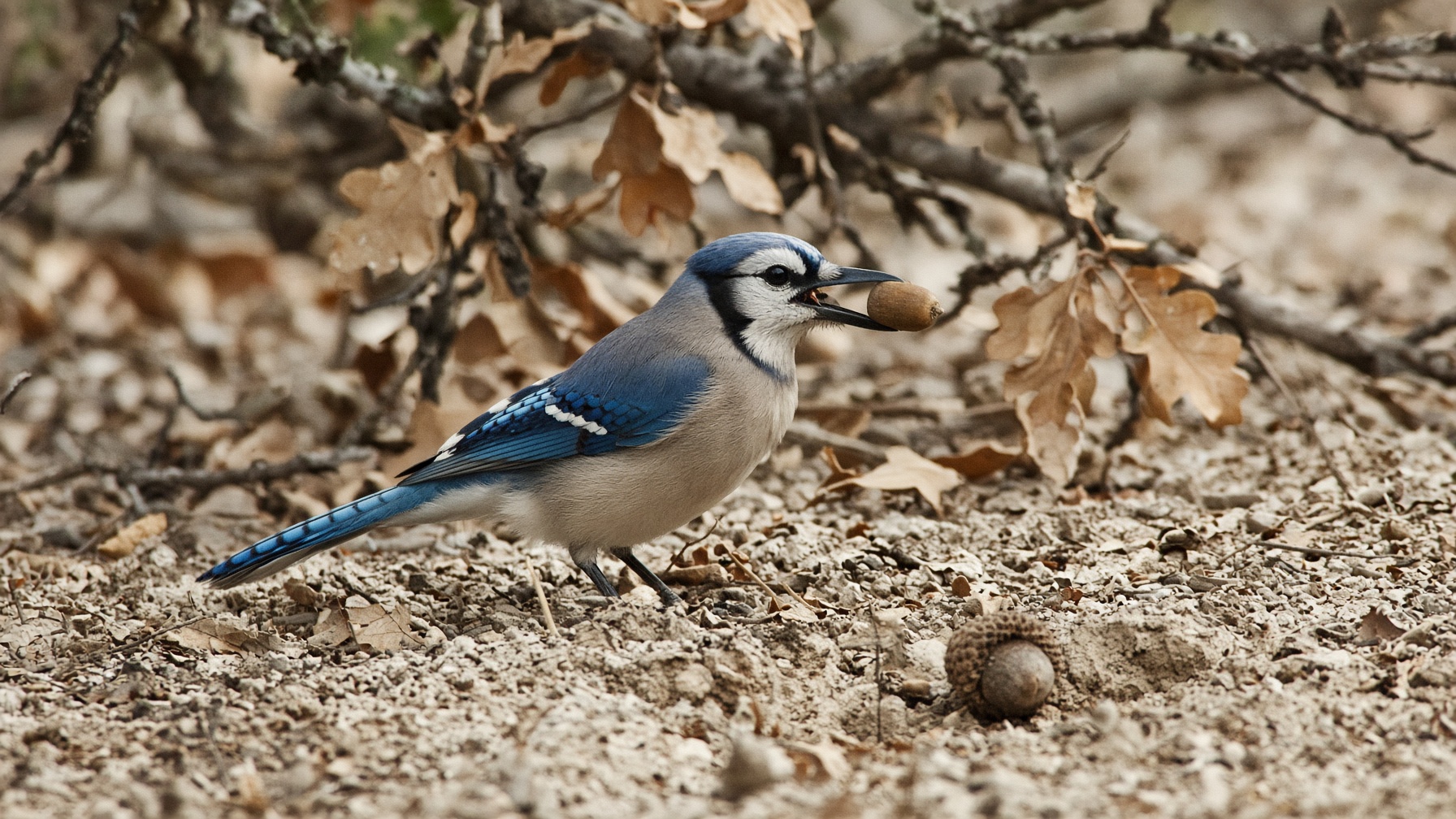
The jay’s hidden acorns
Another nonhuman intelligence, this time with a cortex-like pallium and a social memory of theft. Different lineage, same pressure: inner life is not a human patent.
Counterpoint
Comparative psychology · Laboratories, then field and farm
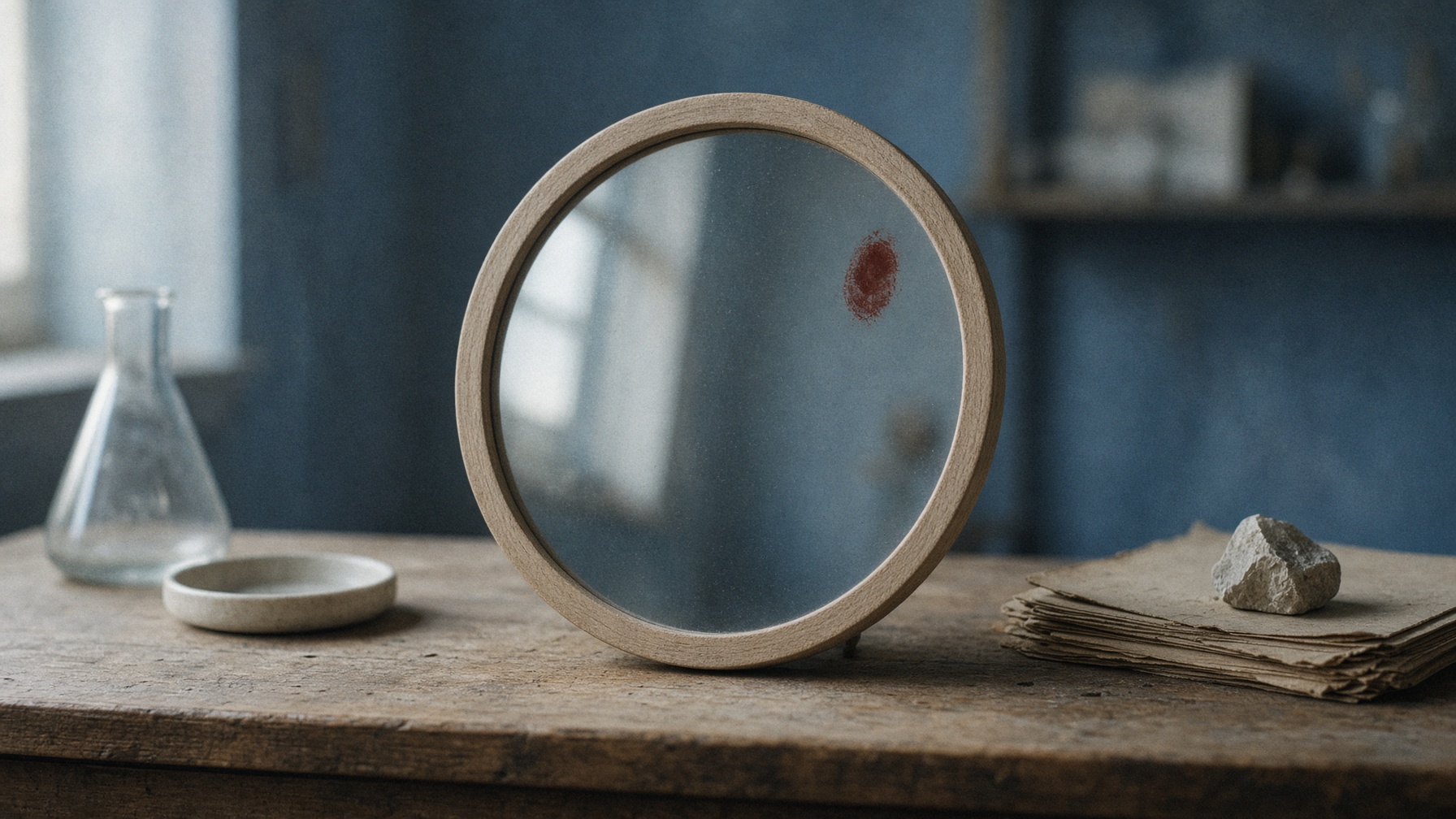
The mark on the glass
Mirrors were designed around faces. An octopus may fail a face-test and still be a serious subject of experience.

Another language
Postwar Britain · Manchester, on the page of Mind
Can a machine be aware?
We built silicon in our image of thought-as-language. The octopus is a reminder that mind may not have waited for words, or for bone.
One question remains
Other minds · How do we know when another being is experiencing anything at all?
If a mind can be spread through arms, is the unity we cherish a vertebrate habit, and not a requirement of experience itself?