
Event · Language · 1977–1986
A Language with No Parents
Deaf children in Managua, brought together in new schools, make a language that none of their teachers signed. Grammar appears in a generation.
- Managua
- Late twentieth-century Nicaragua
- 12.14°N 86.25°W
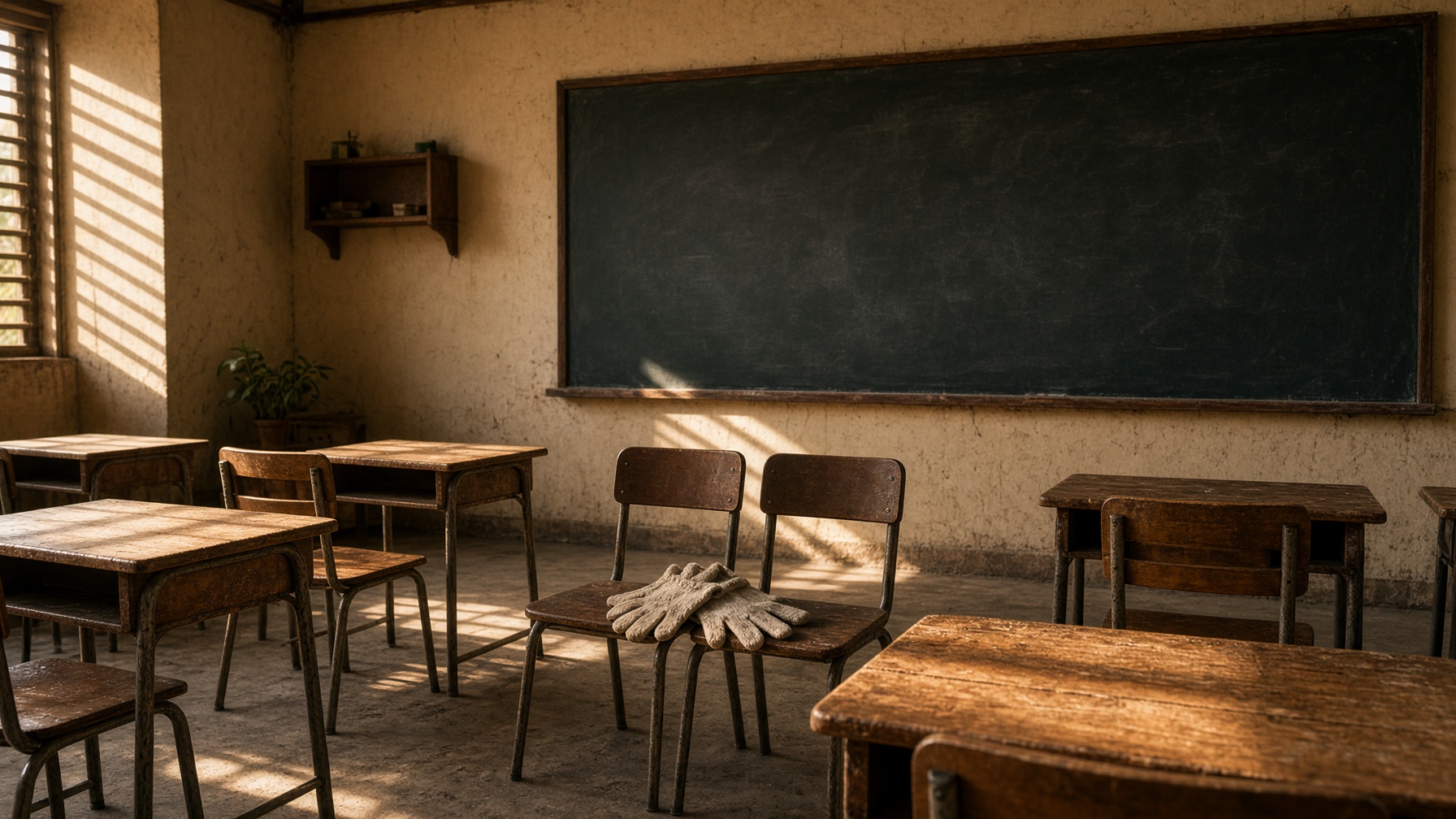
Plate · Generated interpretation
Hands without a shared dictionary. What gets invented first, a word or a with?
Listen · Eve
0:00 / —:—
After 1977, and more fully after 1980, schools for deaf children in Managua gather pupils who had only homesigns. Idioma de Señas de Nicaragua (ISN) emerges among them. In 1986 Judy Kegl is invited to observe. Later work by Senghas, Newport, and others tracks how younger cohorts add grammar the older ones did not have.
Senghas, Kita, and Özyürek, “Children Creating Core Properties of Language,” Science 305 (2004): 1779–1782. Kegl’s fieldwork is earlier. The children are the makers. The linguists are late witnesses.
Keller’s pump is one child given a code. ISN is many children inventing a with. Neither story says awareness begins at the first sign. Both say that a shared sign changes what can be known together.
Nativists heard an innate language faculty. Others heard community and need. The data are the signs. The theory is a later office.
What was it like to have a thought that did not yet have a public form is not in the linguist’s notebook.
Distant echoes
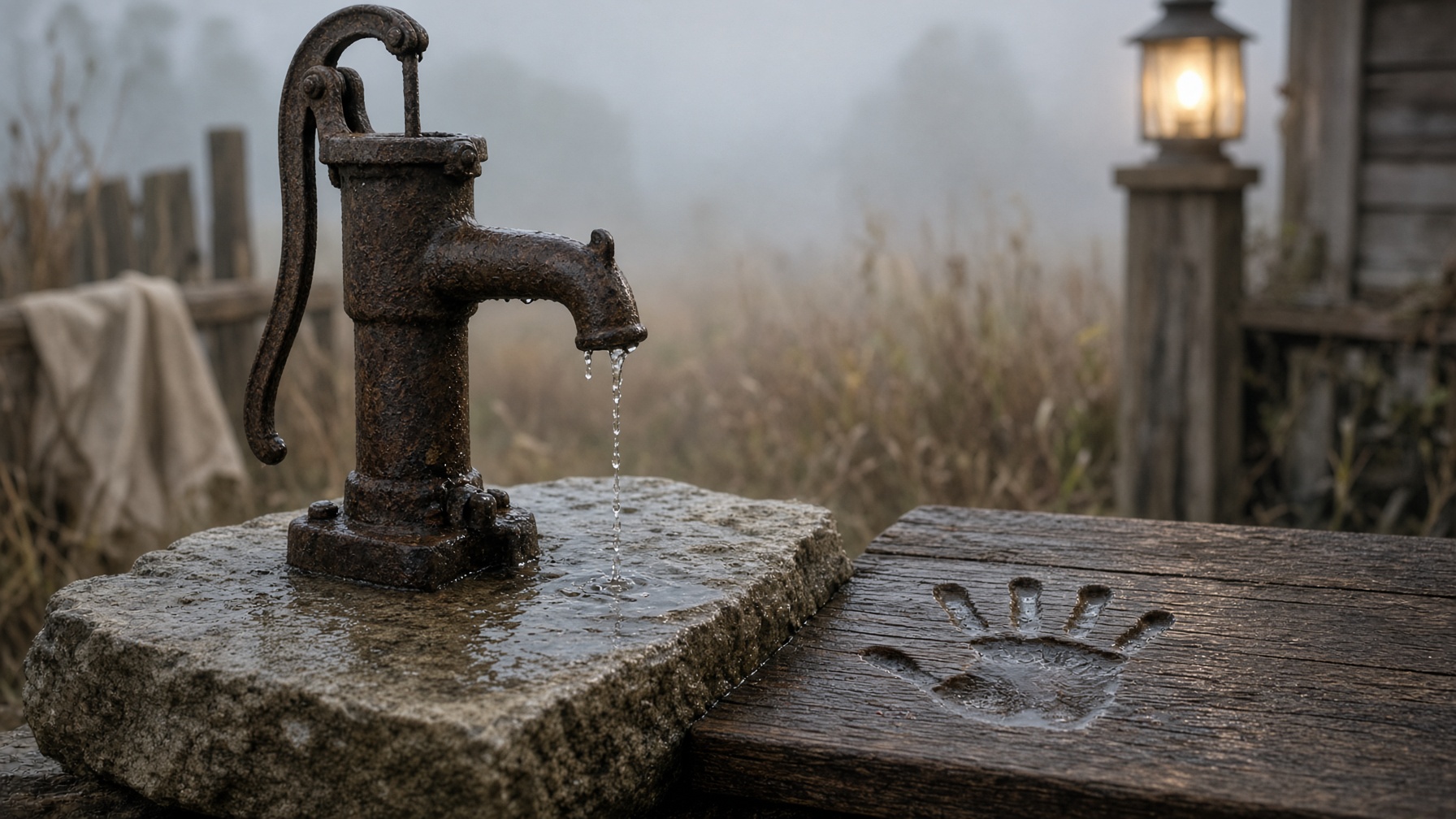
Echo
Late nineteenth-century Alabama · Ivy Green, Tuscumbia
The word at the pump
One child given water’s name. Many children making a name-world. Not one origin.
One question remains
Language · What changes when experience becomes a word?
If a grammar can appear where none was taught, is the with already in the children, or only in the room that finally held them?