
Science · Memory · 1960s–2000
A Gill, a Memory
A sea slug learns to flinch less, then more. A laboratory traces the change to particular cells. Memory, here, is a bodily habit with a diagram.
- Columbia University, of the work
- Late twentieth-century neuroscience
- 40.81°N 73.96°W
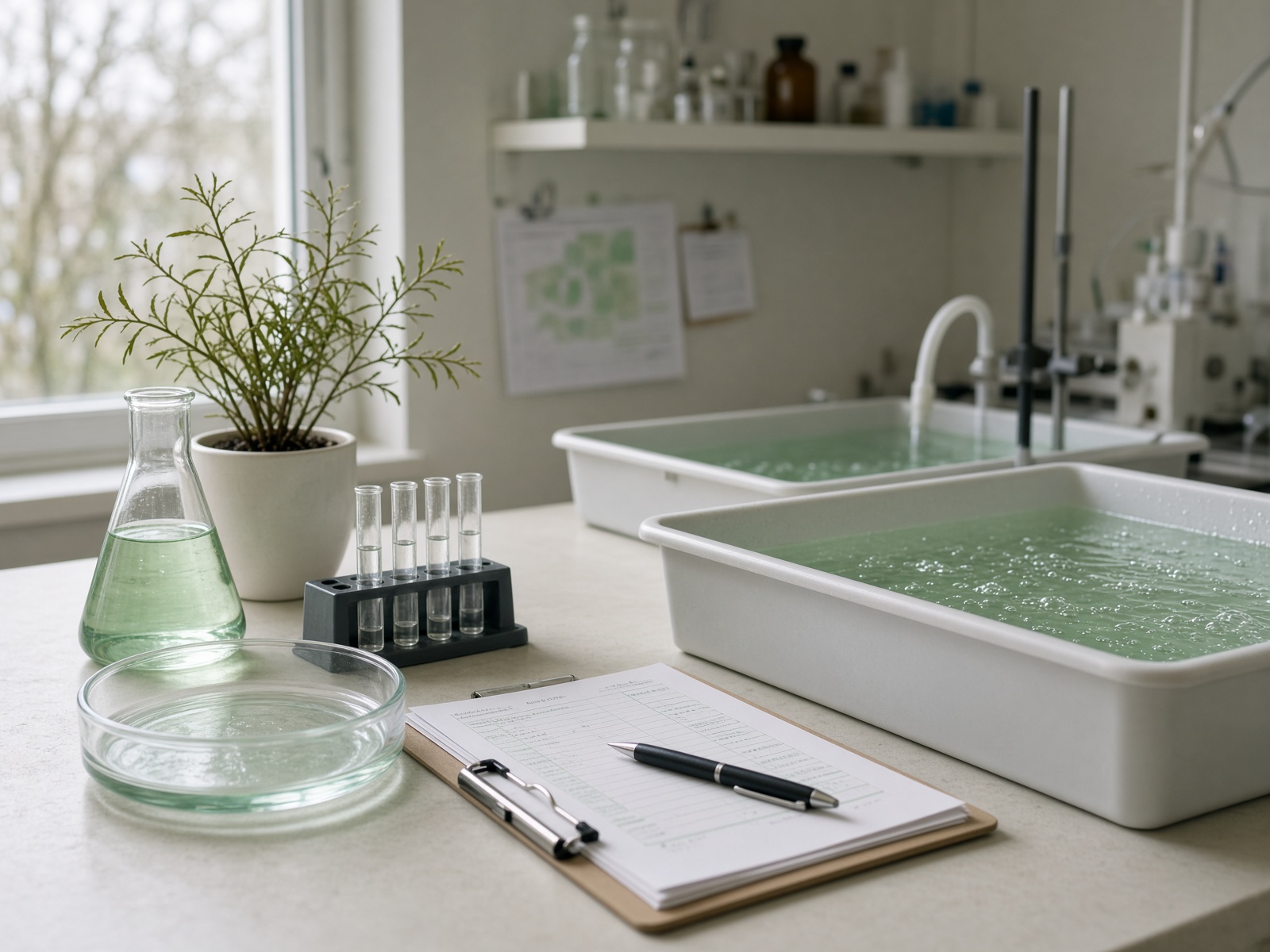
Plate · Generated interpretation
A dish of water. What would have to change for this to be a memory?
Listen · Eve
0:00 / —:—
A large sea slug hangs in a tray of seawater. Touch the siphon, a fleshy tube at one end, and the gill, which had been spread for breathing, withdraws under the mantle. The animal is Aplysia, often the Pacific species Aplysia californica. The reflex is simple enough to diagram. Eric Kandel’s group, first at New York University in the 1960s and then at Columbia, used that simplicity as a way into learning. The slug does not report a madeleine.
Kandel was born in Vienna in 1929. His family left after the Anschluss. He trained as a psychiatrist in the United States and then looked for an animal whose nerve cells could be named, one by one. Aplysia has few neurons, and some of them are large enough to see and to return to. Cajal had drawn endings and argued they were separate cells. Kandel wanted to watch an ending change with use.
The work proceeds as a set of habits. Touch the siphon again and again, harmlessly, and the withdrawal weakens: habituation. Shock the tail, then touch the siphon, and the withdrawal comes back stronger: sensitization. Pair a siphon touch with a shock, under the right timing, and the animal can be classically conditioned. The same identifiable sensory cells, talking to the same motor cells that pull in the gill, change how much they say. Short-term change does not need the cell to make new protein. Long-term change does, and with it, in later work, the growth of new synaptic contacts. Collaborators in this lineage include Irving Kupfermann, Harold Pinsker, Vincent Castellucci, Tom Carew, James Schwartz, and others. The 2000 Nobel lecture is a public door. The prize was shared with Arvid Carlsson and Paul Greengard, whose work was not on this slug.
Kandel’s papers on the gill-withdrawal reflex; Nobel Lecture, 8 December 2000; In Search of Memory (2006), a memoir, which is not the experiment. The animal is a model. It is not a theory of Proust.
Synaptic change correlating with learned gill withdrawal is the finding. Autobiographical memory in humans is not thereby explained. A habit of a gill is not a childhood arriving in tea.
What the experiment can show is that learning, in this circuit, is not a mysterious fluid. It is a change at particular contacts, with a time course, a pharmacology, and a difference between a lesson that fades in minutes and a lesson that requires the nucleus. What it cannot show is what, if anything, the lesson is like for the animal, or whether a life is stored the same way a flinch is stored. Those are different questions. The slug remains a slug.
Cajal drew endings. Kandel watches endings change with use. That is a lineage of looking. It does not close what memory is like. Later popular science will say that Kandel found how we remember our lives. He found how a gill learns to flinch, and how that learning is written at a synapse. The leap from one to the other is a later story.
Whether a habit of a gill and a childhood arriving in tea are one kind, or two, is the remaining split.
Distant echoes
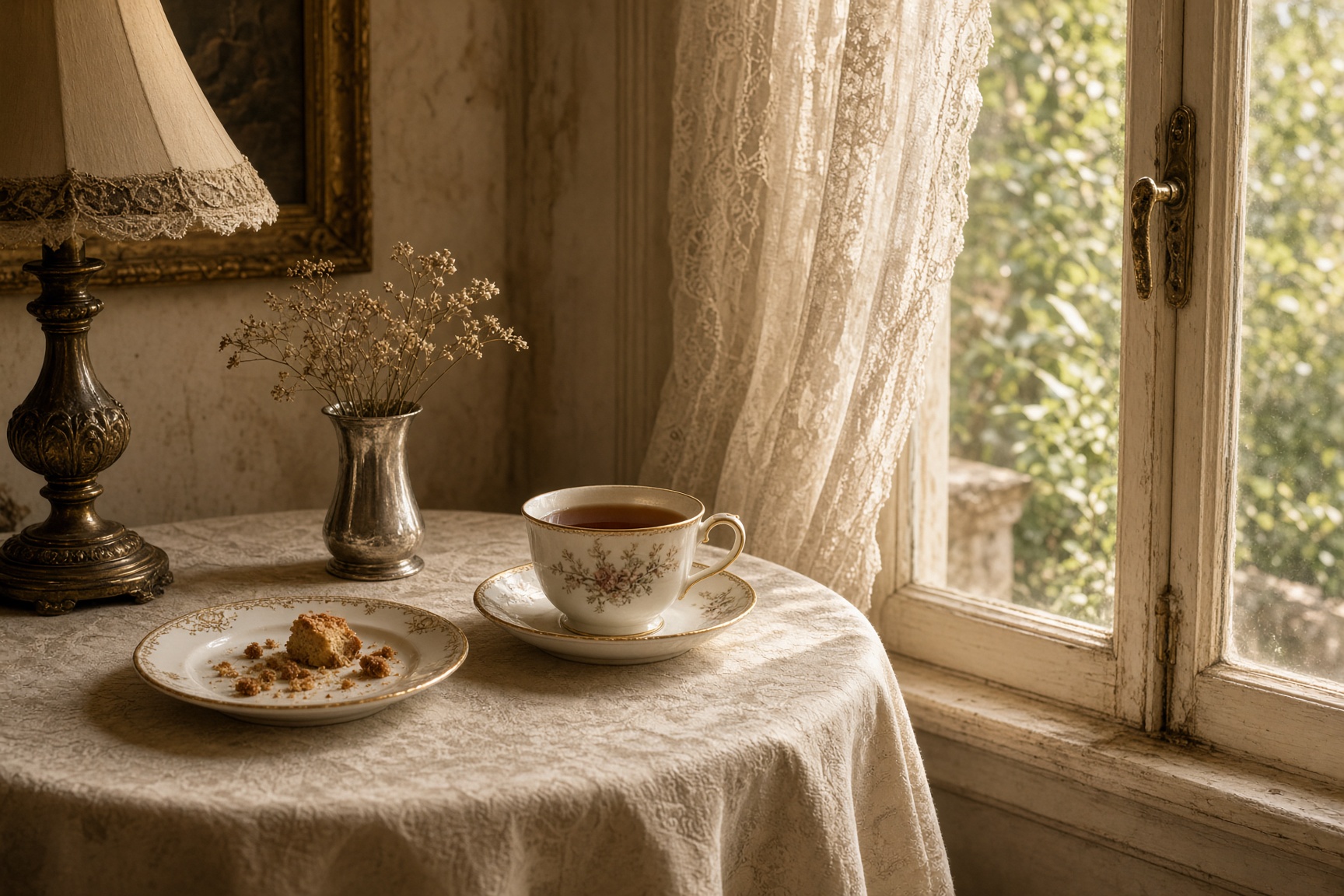
Echo
Early twentieth-century France · Paris, remembering Combray
The cake was not a theory
Proust is ambushed in the mouth. Aplysia is trained at the siphon. Two memories, two offices.
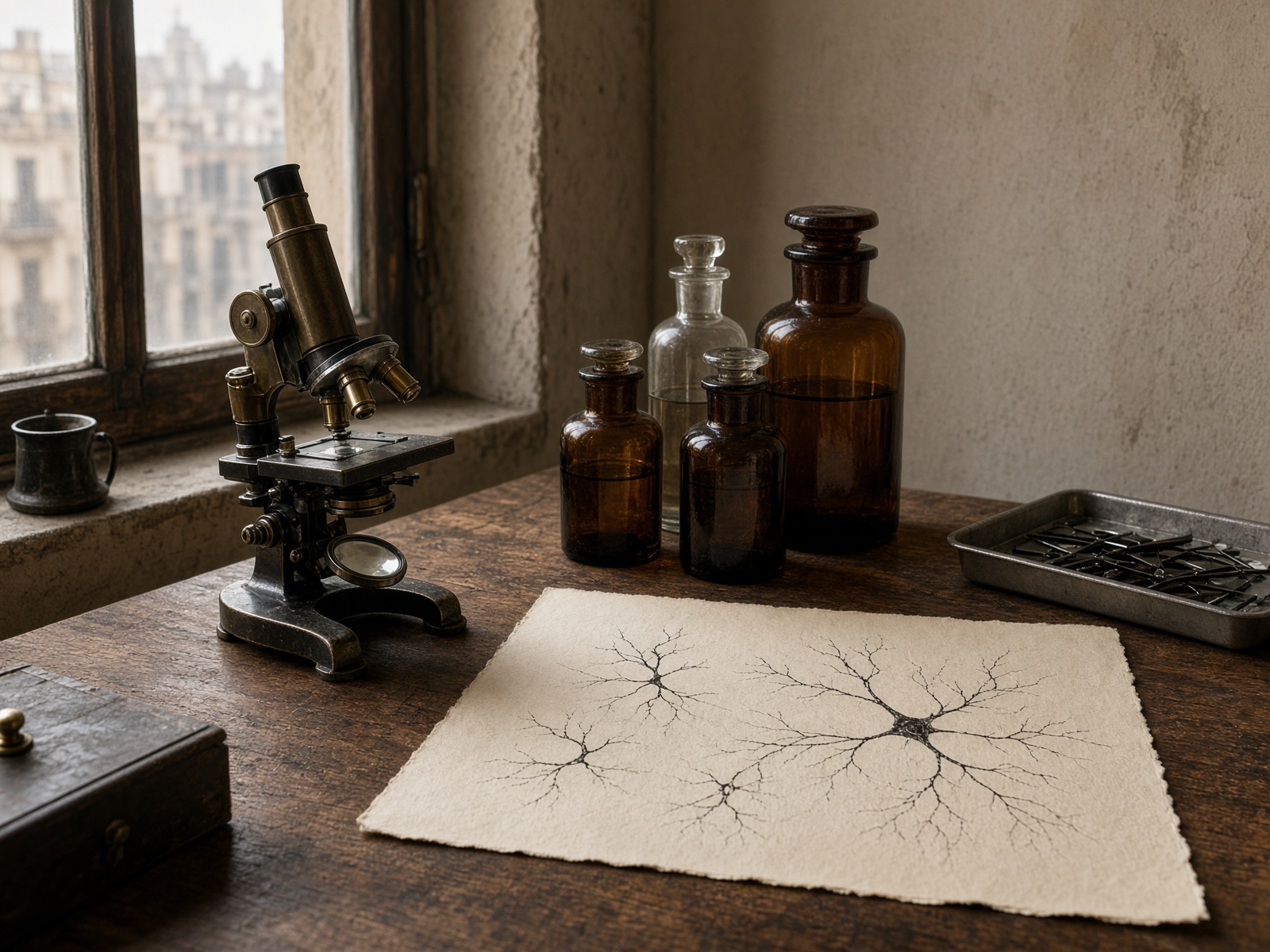
Echo
Restoration Spain · Barcelona, then Madrid
The line that would not join
Cajal’s silver stain made endings visible as separate. Kandel needed those endings to be cells he could visit twice. A drawing and a tray of seawater, one lineage of looking.
One question remains
Memory · What remains, and what is reconstructed?
If a synapse can hold a lesson, what, if anything, holds a life?