
Portrait · Awakening · c. 250–270
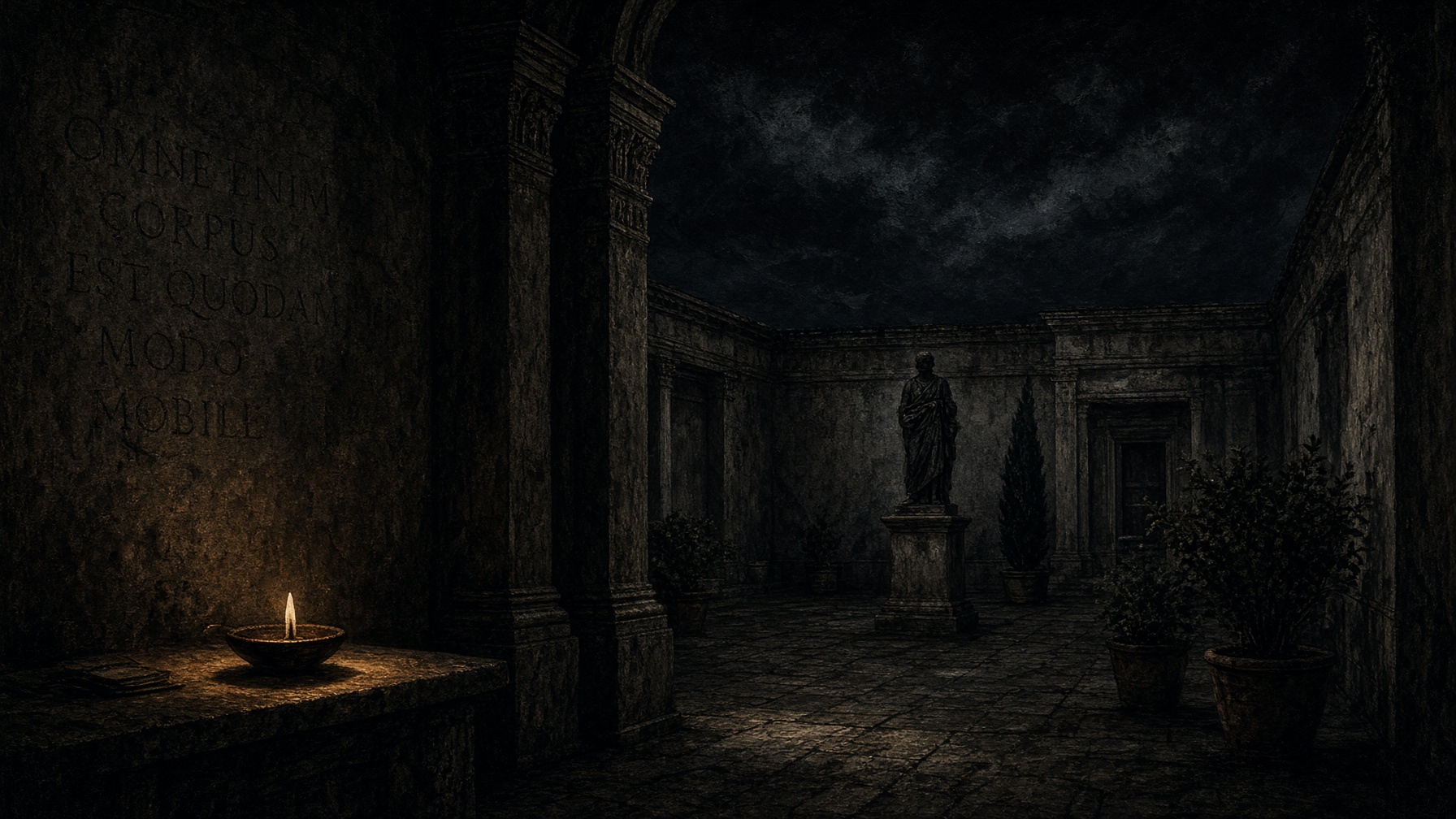
Plate · Generated interpretation
The Flight of the Alone
A philosopher in Rome writes of a turning inward that is also a going up, until there is no longer a pair of seer and seen.
- Rome, of the seminars Porphyry later edited
- Third-century Roman Empire
One lamp. Do not yet decide whether anyone is looking.
Listen · Eve
0:00 / —:—
Rome, the 260s. Plotinus writes treatises his student Porphyry will later cut and arrange into six nines, the Enneads. The soul turns toward Intellect, nous, and, at the limit, toward the One. Porphyry, in the Life, says Plotinus attained this union four times in the years they were together. That report is a student’s claim, not a measurement. Plotinus, in a treatise, says the flight of the alone to the Alone. MacKenna’s English made the line famous. It is not a slogan for isolation. It is a technical end of a metaphysics.
Porphyry says his master’s Greek was crabbed, the handwriting often a problem of failing eyes. The seminars were spoken. The books are an editor’s gift and an editor’s violence: some longer arguments were split to make the nines. Distinguish Plotinus from later Christian uses of him. Augustine will read him. That is a later chapter. Hildegard’s light and this ascent are not one inner glow.
Enneads, ed. Porphyry. Armstrong’s Loeb and MacKenna are English doors. Perseus holds Greek. The Life of Plotinus is Porphyry’s, not a lab notebook. VI.9 is the usual door for the One.
The flight of the alone to the Alone.
Nous is not consciousness as a laboratory word. Translating it so is a convenience with a cost. Whether union ends the knower, or completes the knower, is a live fight among readers. The One is not mist.
Whether union ends the knower, or completes the knower, is a live fight among readers.
A word
Greek. Intellect, intellective seeing. Not a tidy English mind or consciousness.
Distant echoes
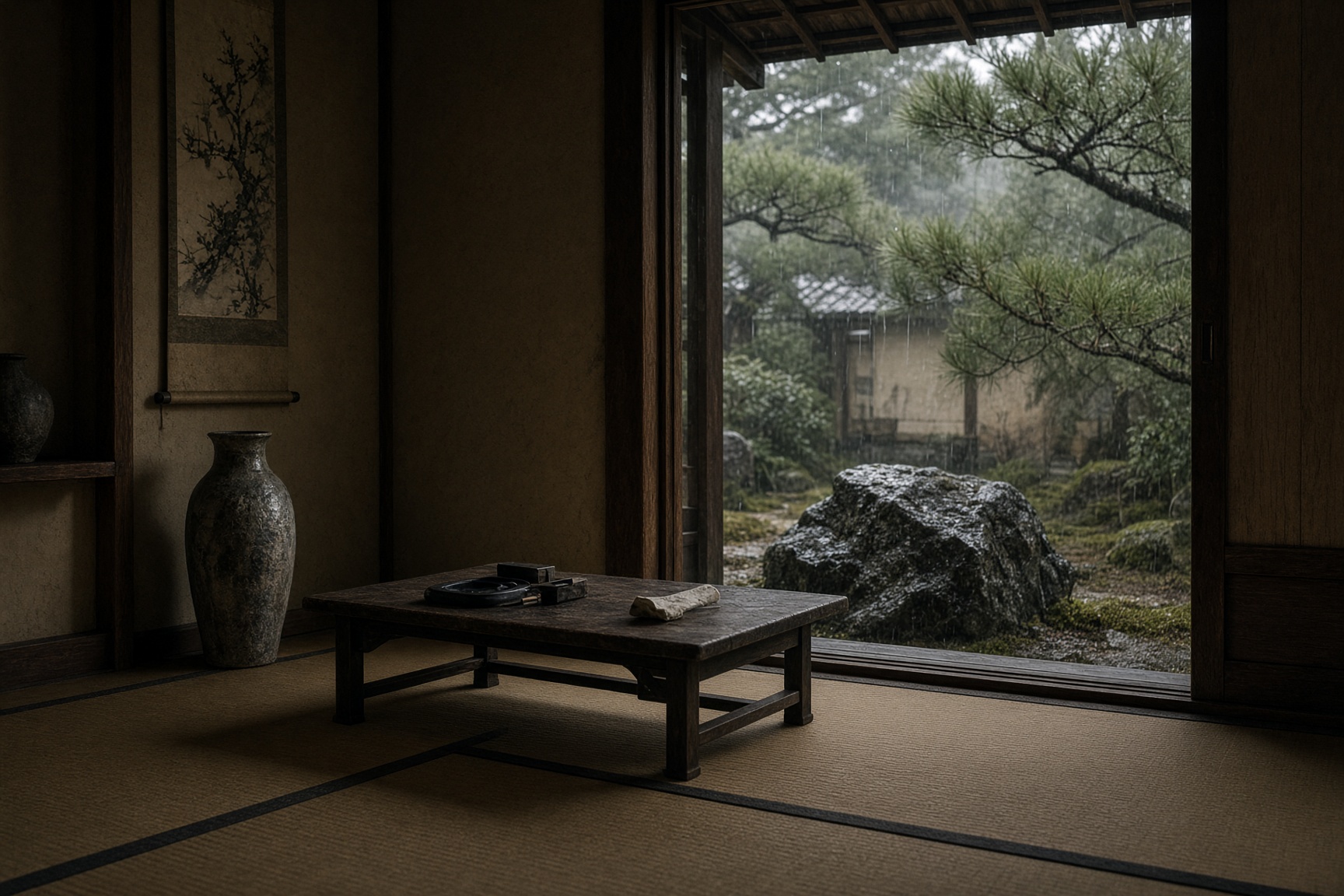
Echo
Late Meiji / early Taishō Japan · Kyoto, on the page
Before I hear the bell
Nishida wants the event before I and bell. Plotinus wants the end of seer and seen. Two undividings, two centuries, two systems.
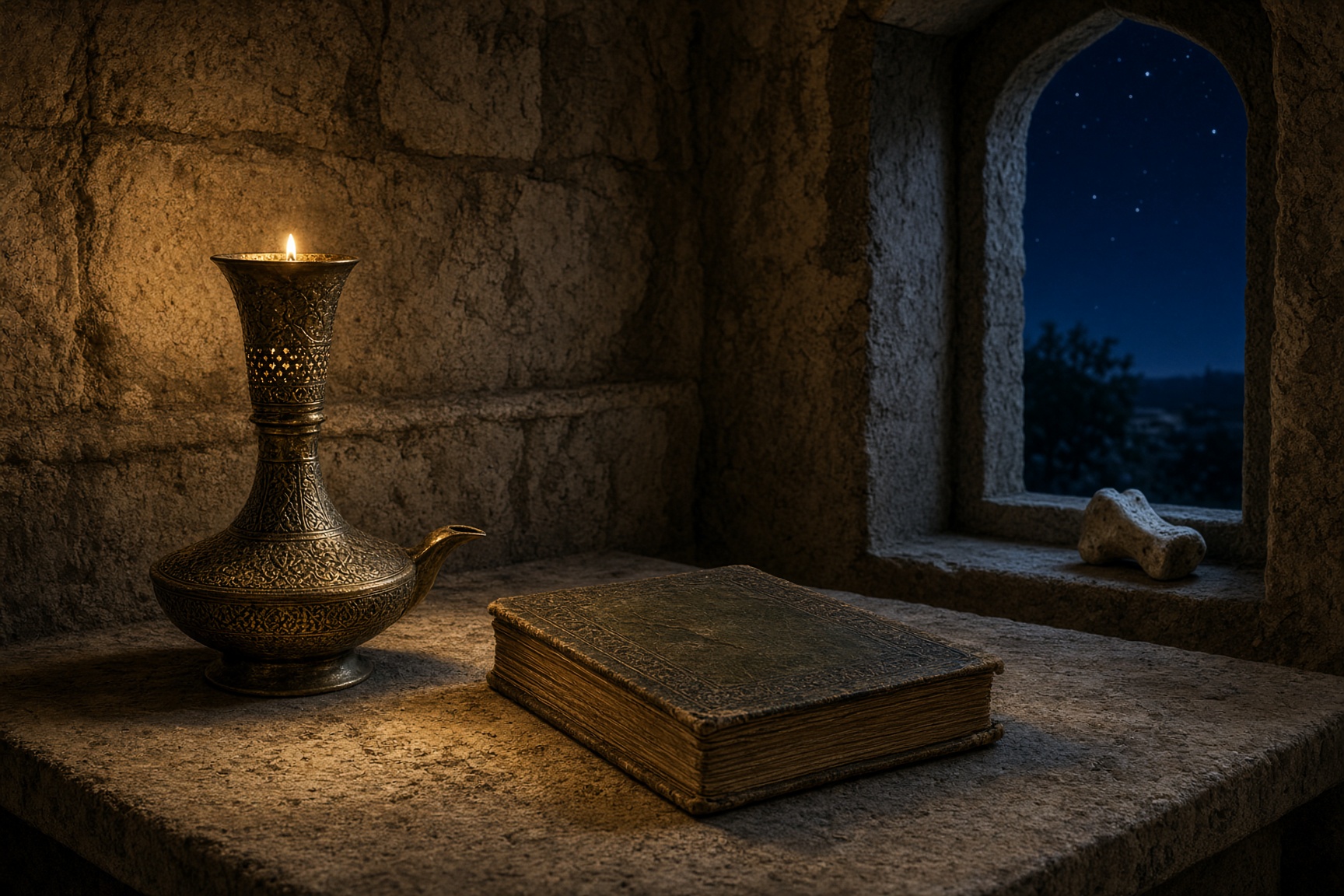
Echo
Twelfth-century Syria · Aleppo
Things are lights
Suhrawardī ranks lights. Plotinus ranks the One, Intellect, Soul. Two metaphysics of degree, not one glow.
One question remains
Awakening · What changes when consciousness recognizes something differently?
If the seer and the seen fall away, what, if anything, was the knowing for?