
Atlas · Invented interiors
Art & Literature
Fictions and forms that make inner life visible without claiming to settle it.
Sacred Traditions
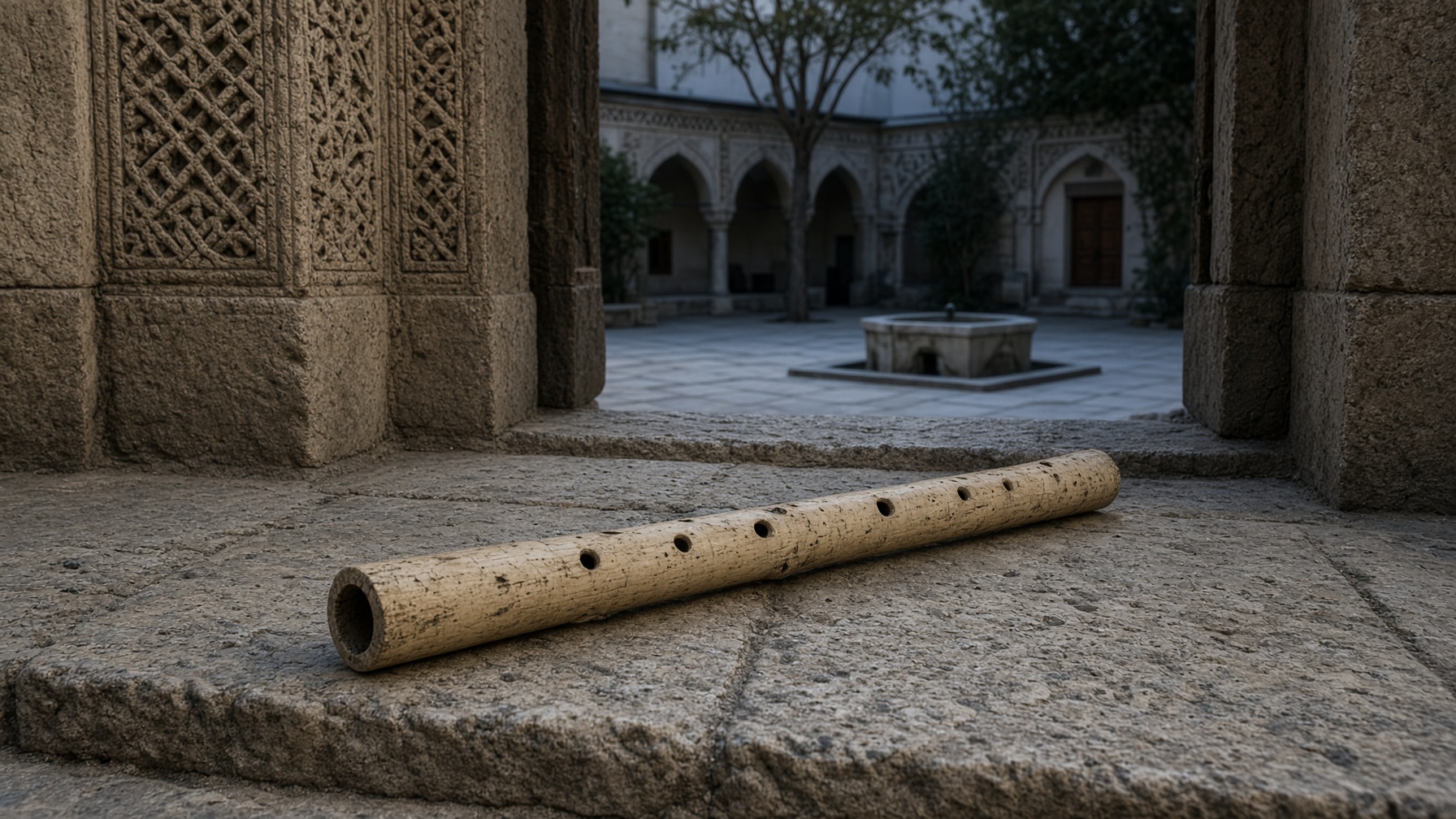
The Reed’s Complaint
A flute begins a long poem by remembering the reed-bed it was cut from.
Konya · c. 1258–1273
Art & Literature
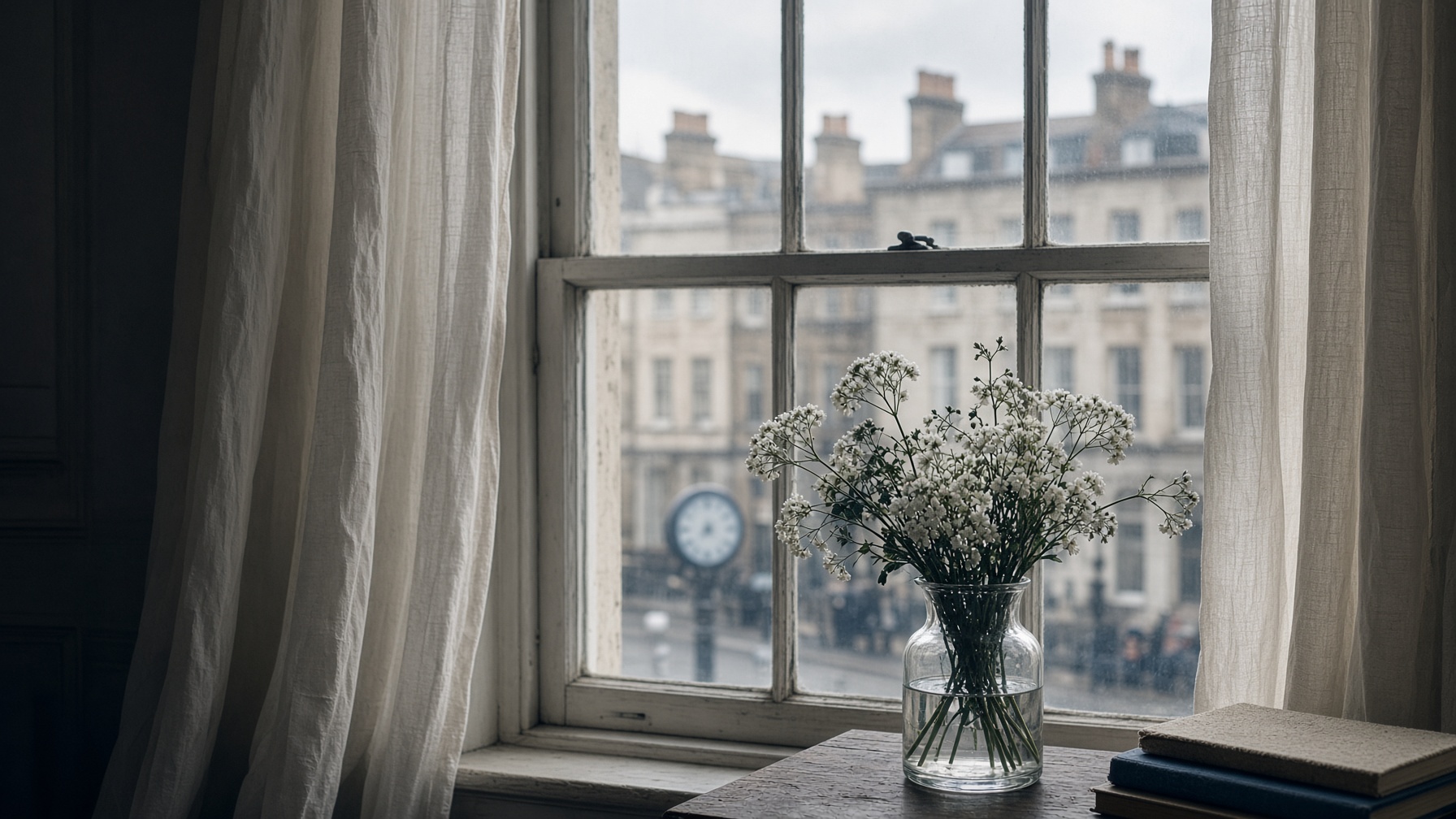
The Hours, Uncut
A woman buys flowers, and a novel tries to hold an entire consciousness without summarizing it.
Westminster · 1925
Art & Literature
A magician dreams a man with such care that the dreamed one can stand, and then learns the cost of that care.
The Circular Ruins
A temple the story will not locate · 1940
Art & Literature
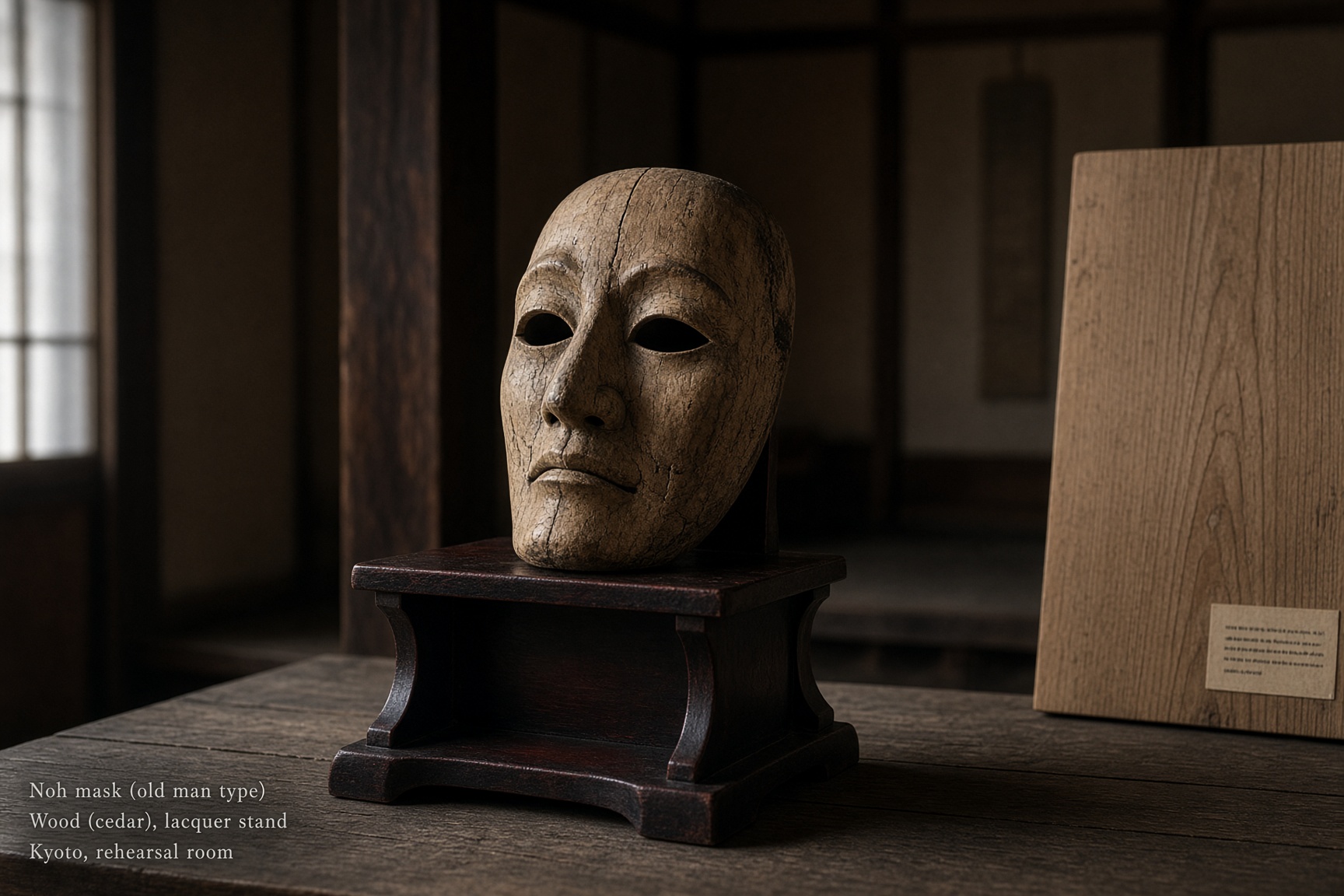
The Flower Is Not the Face
A playwright tells actors that the mask must be worn until a different kind of looking becomes possible.
Yamato sarugaku, in the orbit of the Ashikaga court · c. 1402

Science
The Line That Would Not Join
A histologist in Barcelona draws what the silver stain shows: endings. The rival theory wanted a net.
Barcelona, then Madrid · 1888
Sacred Traditions
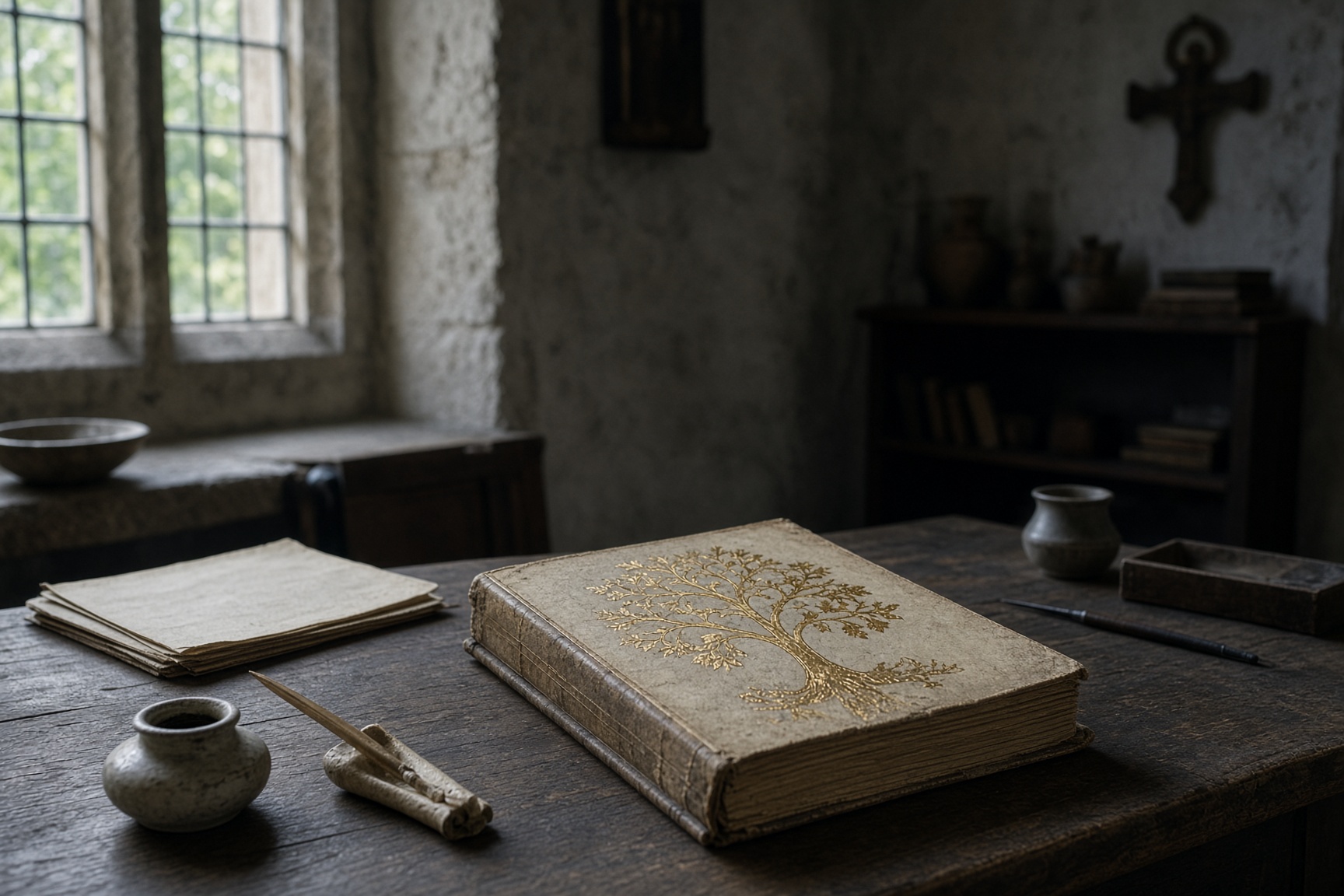
A Light That Did Not Stay Outside
A Benedictine woman writes visions she calls living light. The book is theology, not a laboratory of inner glow.
Disibodenberg, then Rupertsberg · 1141–1151
Art & Literature
A narrator dips a small cake in tea and a whole childhood arrives without being asked. The book is a novel, not a paper on memory.
The Cake Was Not a Theory
Paris, remembering Combray · 1913
Philosophy
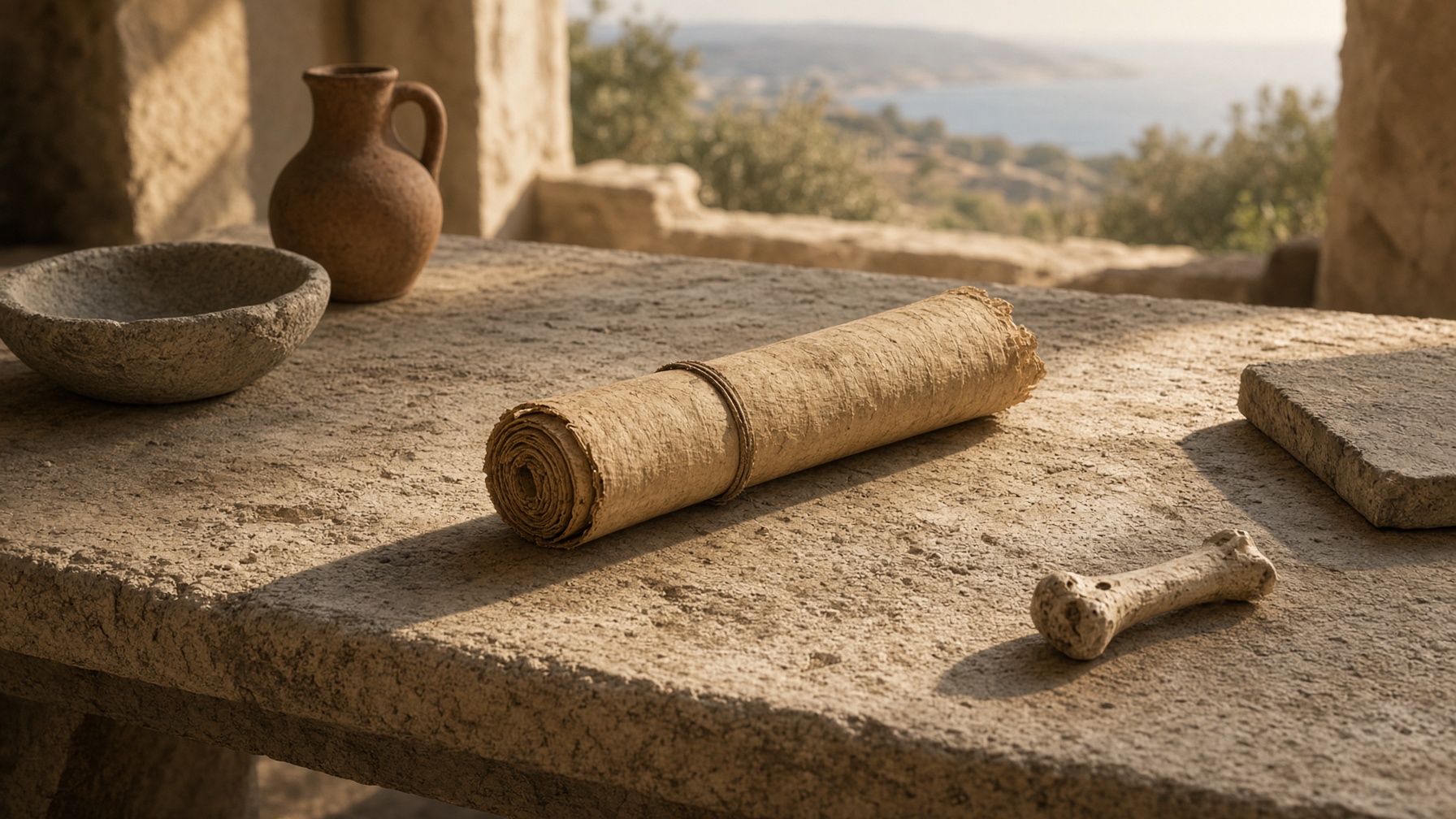
The Soul That Can Be Cut
A Roman poem says mind and soul are matter, fine but mortal, and die with the body they are woven through.
Italy, on the page of a poem · c. 50s BCE
Ordinary Life
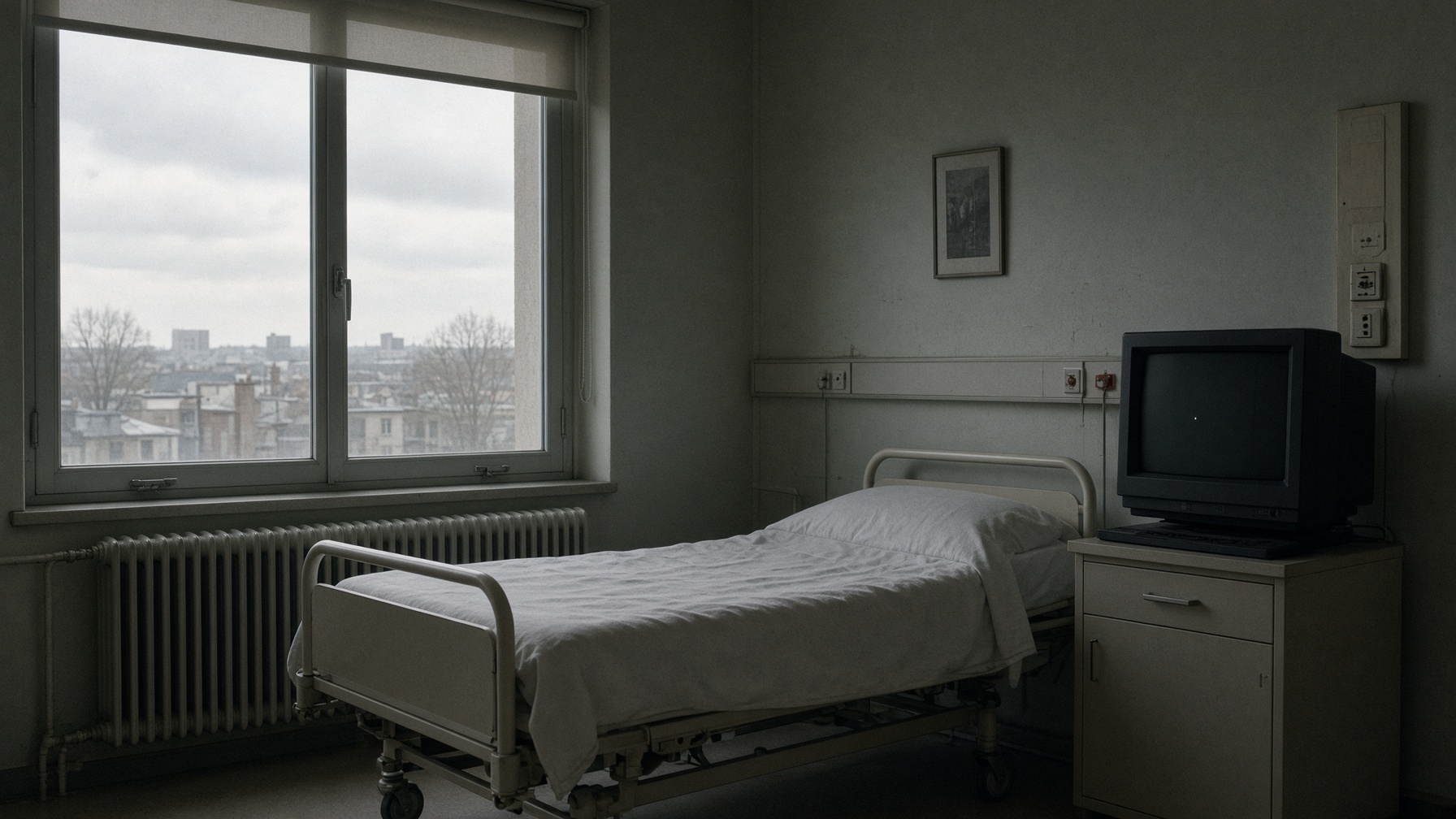
A Blink for a Letter
After a stroke, a man can move only his left eyelid. He dictates a book that way. The mind on the page is not the body the ward can see.
Berck-sur-Mer, Hôpital Maritime · 1997
Art & Literature
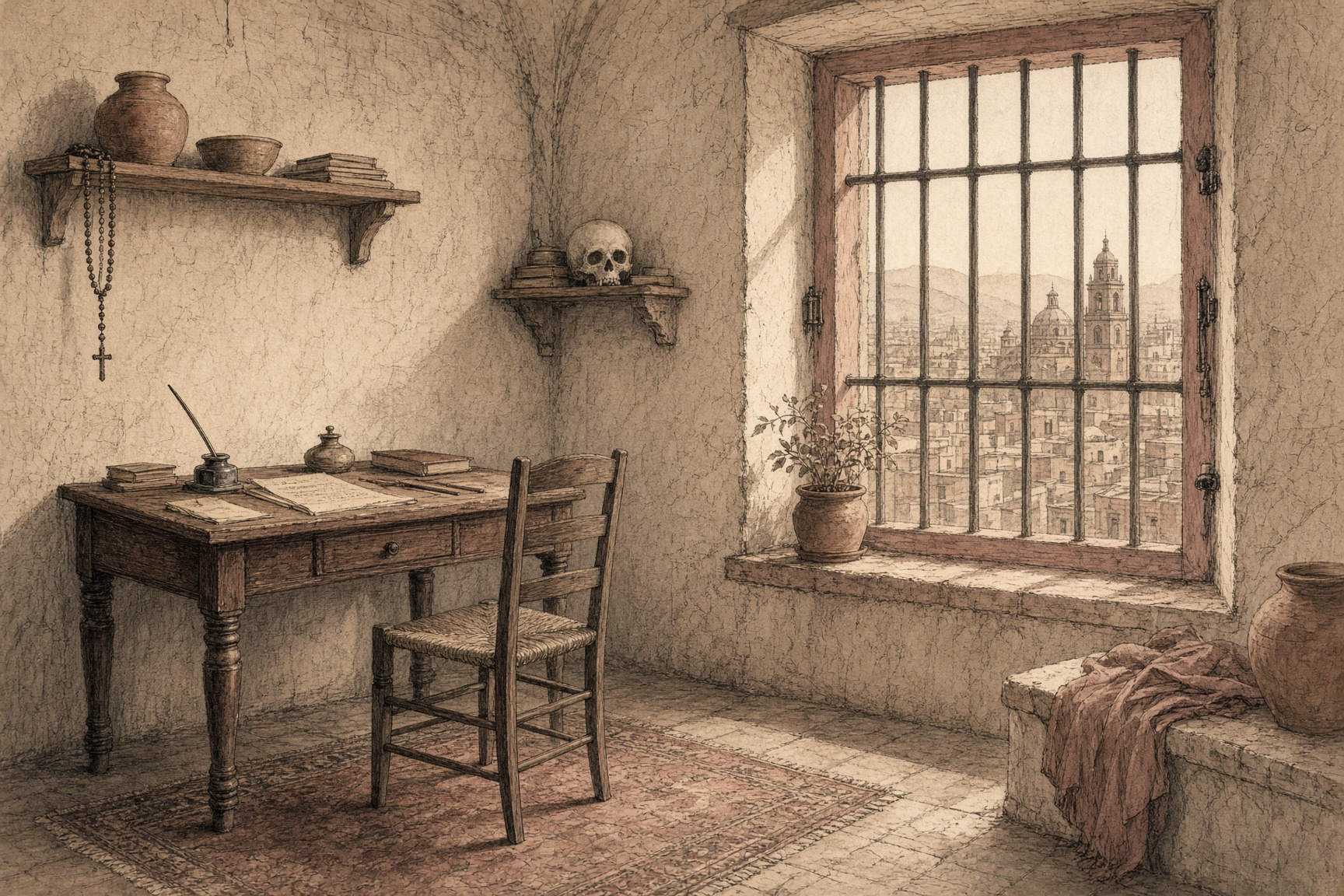
The Hunger to Know
A nun in New Spain defends a woman’s right to letters. The mind, in her argument, is not a luxury of men.
Mexico City, convent of San Jerónimo · 1691
Philosophy
A philosophical novel from al-Andalus imagines a child raised by a gazelle who comes, without a teacher, to intellect and then to a God.
The Child and the Gazelle
An island, on the page · c. 1160s
Sacred Traditions
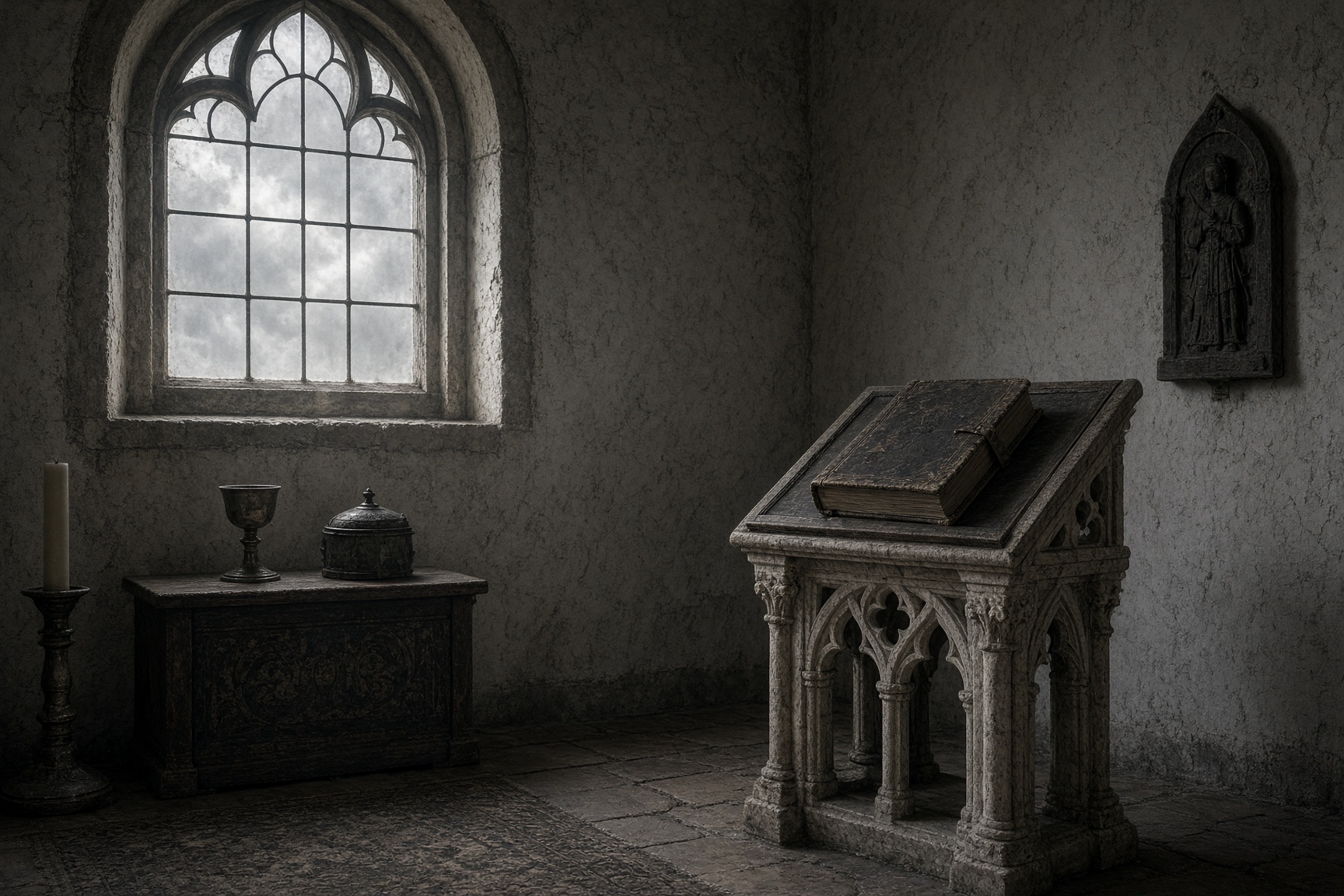
A Cloud of Forgetting
An anonymous English book tells a student to put a cloud of forgetting between the self and every created thing, and to beat on a cloud of unknowing with a little naked intent.
The Midlands, on the page · c. 1370s

Art & Literature
A Firm of Selves
In Lisbon a poet writes under names that have biographies, styles, and disagreements. The page is crowded, and the civil name is only one of them.
Lisbon · 1914–1935

Art & Literature
The Sound After
An old pond. A frog jumps in. Water’s sound. The poem is three lines and a whole practice of noticing.
Edo, on the page of a hokku · 1686
Sacred Traditions
A Persian poem sends the birds across seven valleys to find their king. The king they find is the thirty who arrived: sī murgh, Simurgh.
Thirty Birds
Nishapur, on the page of *Manṭiq al-ṭayr* · c. 1177

Ordinary Life
A Book in the Snow
A Sámi wolf-hunter dictates, to a Danish artist, the first book a Sámi writes about Sámi life. The weather in it is not a capital’s weather.
Guovdageaidnu / Kautokeino, and the pages written in a turf hut · 1910

Art & Literature
A Letter the King Might See
An Andean noble writes and draws a thousand-page letter to a Spanish king: a world, a conquest, a way of seeing that will not arrive in Madrid.
The Andes, on the manuscript now in Copenhagen · c. 1615
Art & Literature
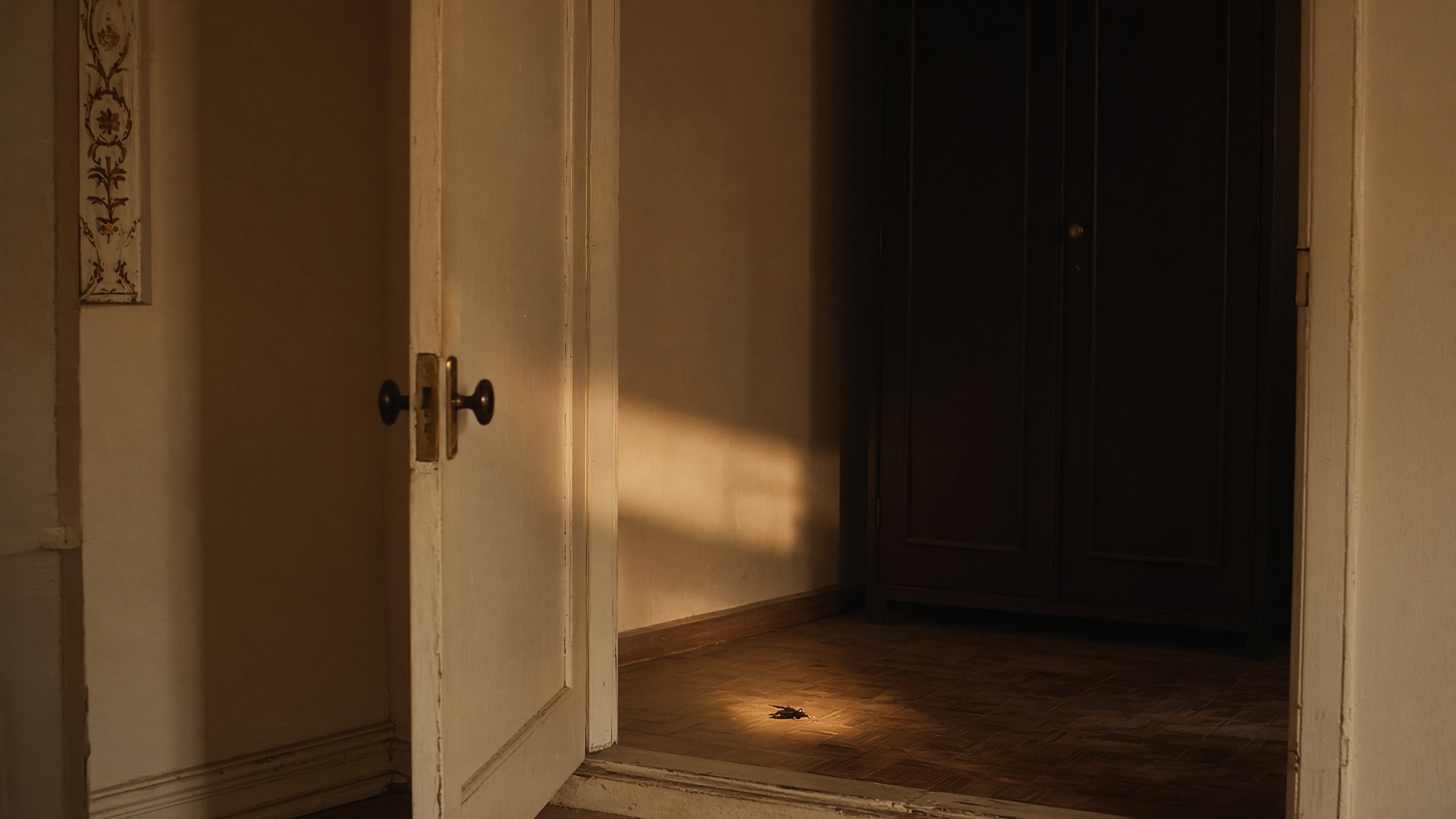
The Room and the Other Life
A woman in Rio enters a maid’s room, kills a cockroach, and does not come out the same. The book is a sitting with what will not stay human.
Rio de Janeiro, on the page of *A Paixão Segundo G.H.* · 1964